导图社区 跨文化交际chapter4
大学课程《跨文化商务交际》。Collectivist cultureemphasizes the ingroup, such as the organization or the extended family. Collectivists value harmony and avoid direct confrontation. Building relationships.
提示: 本内容由社区用户上传并分享。平台不对内容的真实性、合法性、知识产权归属及是否侵害第三方权利进行事前审核或保证。本内容可能包含受版权保护的图片、字体或其他第三方素材,使用前请自行确认授权范围。
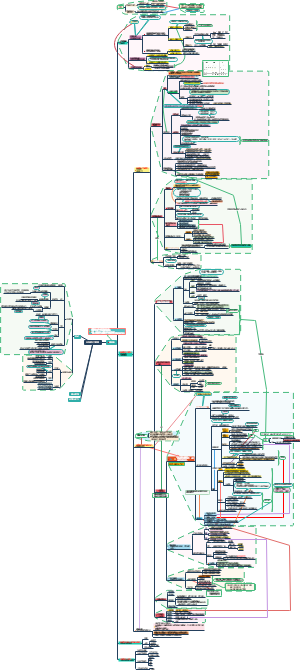
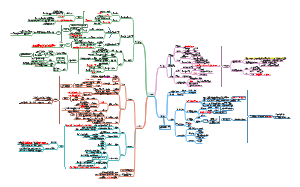
Chapter4:Contrasting cultur values
Cultural values
A value system represents what is expected or hoped for, required or forbidden.It is the system of criteria by which conduct is judged and sanctions applied.
Comparison between chinese values and western values
Cultural differences :cognition, relationship with nature, the concept of truth.
Western culture tends to be oriented toward mastery over nature . Eastern culture seeks harmony with nature. Western culture on ultimate truth or reality is based more on scientific and empirical explanation . Eastern culture is based more on existing truth.
Such as:Differences in expressing gratitude,symbolization,attitudes toward women
Comparison between chinese values and american values
The Chinese are collectivist, placing high value on group cooperation and individual modesty. Americans are individualist, placing high value on self- reliance and freedom from externally imposed constraints.
Such as:Differences in frienfship,time consciousness,conception of the self,approaches to tasks,social relationships.
Cultural dimensions
Power distance
Power distance is the degree to which power differences are expected and accepted by society.Power distance means the extent to which the less powerful members of institutions and organizations within a country, expect and accept that power is distributed unequally.
Small power distance culture values horizontal relationships where everyone is on a level playing field. Status symbols and privilege invite ridicule,and those who would set themselves above others are cut down to size.Inequality in society should be minimized. Such as: Australia, New Zealand, the United States,Denmark, Finland .
Large power distance culture emphasizes the unequal distribution of power in institutions and organizations in a hierarchy of privilege.A few people have a lot of power;the vast majority has little. Communication is traditionally superior-centered. Such as: China, Malaysia, South Korea, Mexico,Indonesia, Pakistan, India, Japan

Individualism versus collectivism
Individualistic culture believes that people are supposed to take care of themselves and remain emotionally independent of groups, organizations, or other collectives. Self-emphasis is important.Individualism is the degree to which individual decision-making and action is accepted and encouraged by the society.Such as:The United States, Australia, and Great Britain.
Collectivist culture emphasizes the ingroup, such as the organization or the extended family. Collectivists value harmony and avoid direct confrontation. Building relationships.The communication style is typically indirect. Such as:Asian, Latin American, and West African.
Masculinity versus femininity
Masculinity is the degree to which traditional male values are important to a society.In high masculinity cultures, males dominate a significant portion of the society and power structure. with females being controlled by male domination. In high masculinity societies, people tend to believe that matters of material comfort, social privilege, access to power and influence, status and prestige, and ability to consume are related to ability .such as Japan. Austria, Mexico, and Argentina
Feminine culturehas a low level of differentiation and discrimination between genders. In these cultures, females are treated equally as males in all aspects of the society.In feminine societies, men and women are considered socially equal. Women are more prominent in management and professional fields.Such as: All the Scandinavian countries, Portugal, Spain, and several Pan-American .
Uncertainty avoidance is the degree to which the society is willing to accept and deal with ambiguity and uncertainty. uncertainty avoidance refers to the lack of tolerance for ambiguity and uncertainty and the need for formal rules and high-level organizational structure. The unpredictability of the future, and the resultant anxiety that this produces,is part of the human experience.
Cultures of low uncertainty avoidance have less concern about ambiguity and uncertainty and have more tolerance for a variety of opinions. This is reflected in a society that is less rule-oriented, more readily accepts change, and takes more and greater risks.Such as:The United States,Canada,Great Britain,and several African.
Cultures of high uncertainty avoidance have a low tolerance for uncertainty and ambiguity. This creates a rule-oriented society that institutes laws, rules, regulations,and controls in order to reduce the amount of uncertainty.Such as:France,Germany,Japan.