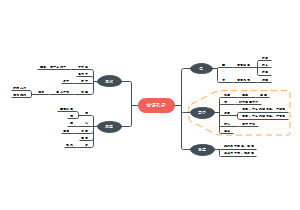
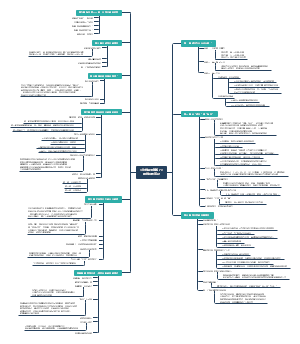
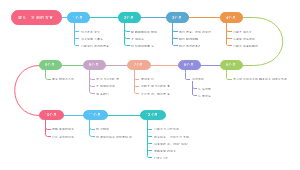
getting started(1960s-1970s, pit corda, larry selincker,evelyn hatch )
key findings:
acquire grammar of an L2 in a universal and fix way
area of interest:
Durlay and Burt1973
Cancino, Rosansky and Schumann1978
Corder1967
theoretical influences:
L1 acquisition research
Brown1973
Klima and Bellugi1966
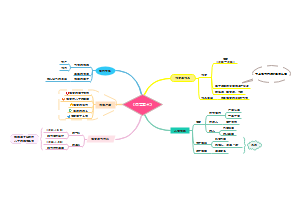
expansion period(1980s-1990s, stephen krashen, michael long, susan gass)
language transfer
kellerman1983
Ringbom1987
key findings:
language transfer was reconceptualised a cognitive rather than behaviorist phenomenon
conditions that governed negative and positive transfer
key findins:
markedness and universal principles governed both order of acquisition and language transfer
linguistic theory(typological universals; generative grammar)
L2 pragmatics
Thomas1983
Blum, Kulka 1989
key findins:
the focus was on the comprehension and production of speech acts:
requests
apogies
the identification of pragmatics
pragmalinguistic difference between native and non-native speakers
speech act theory
politeness theory
input and interaction
krashen1985
Long 1983
Swan1985
how the linguistic environment influenced L2 acquisition
input hypothesis
interaction hypothesis
comprehensible output hypothesis
discourse analysis
research on foreiner talk
L1 acquisition research on caretaker talk
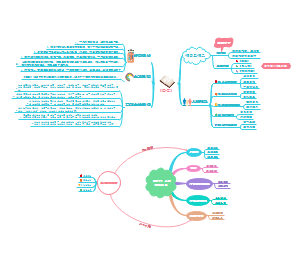
cognitive phase
late 1990s onwards, dick schmidt, Nick Ellis, Robert de kaiser
area of interest:
consciousness and SLA
implicit and explicit knowledge
emergentism
skill learning theory
Schmidt1990
Tomlin and Villa1994
N.Ellis 1994
Dekeyser1998
key findings:
conscious attetion to exemplars of linguistic features in input and ootput(noticing)
implicit and explicit knowledge are fundamentally different with implicit knowledge primary
interface positions
theoretical influences:
cognitive psychology information processing models
implicit/explicit/knowledge/learning
adaptive control of thought-rational theory(ACT-R)
social turn
1990s onwards, jim lantos, meryl swain, norton
the social turn
Firth and Wagner1997
Block 2003
Norton2000
learners have agency and actively construct their own learning context
social identity is crucial
learner-learner interaxtions are common
learners have local agendas
Socialization theories:
community of practice theory
poststructuralist theory
sociocultural SLA
Lantolf2000
Swain2006
learning commences externally within interation
key constructs: mediation, private speech, zone of proximal development,internalisation,
collaborative dialogue,'languaging', dynamic assesment
Sociocultural theory
socialcognitive theory
recent developments
olivia cook,diane larsen freeman, Lordos ortega
complex dynamic systems theory
larshen Freeman1997
larshen freeman and cameron2008
bot, lowie and verspoor2007
combines social and cognitive perspectives on SLA
views learning as individualistic and non-linear
interconectedness of multiple variables
predictions about how learning will occur not possible
catastrophe theory and chao theory
emergentist theory of learning
the multilingual turn
cook 1992
may2013
ortega2019
rejects viewing bilingualism in terms of the development of monolingual competence
makes multilingualism the central area of enquiry and emphasizes the multiple competencies of bilingual learners
translanguaging
theoretical influences:
transdisciplinary
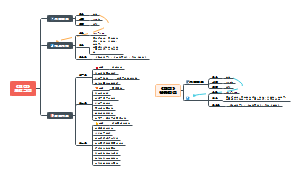
how have researchers investigated SLA
etic: observing/assessing learners' L2 behavior
error analysis
obligatory occasion analysis
frequency analysis
discourse analysis
conversational analysis
language testing
psycholinguistic tests
eye-tracking
corpus-related research
emic: investigating learners′ subjective understandings of
their own L2 behavior
diary studies
questionnaires
interviews
stimulated recall
narrative enquiry
observation
research participants
groups
typically etic
cognitive SLA
cross-sectional
experimental
inferential statistics
effect sizes
individuals
typically emic
social SLA
longitudinal
descriptive and interpretative
descriptive accounts
data types
naturally occurring L2 use
experimentally elicited L2 use( using tasks)
clinically elicited L2 use(using tests)
increasingly methodological sophistication
willingness to suject the procedures used to collect and analyze data to critical scrutiny
technical expertise
meta-analysis(Norris and Ortege)
mixed methods
SLA methodology a topic in its own right
why have researchers investigated SLA?
Ellis1985
helping teachers construct a theory of language learning
long, larsen freeman1991
intellectual curiosity
increaseing teachers' awareness about the learning process
helping populations with specific language learning needs
informing other disciplines
mitchell&myles,1997
contributing to the working of the human mind
informing social practice
Doughty &Long2003
reveal tje nature of the human mind and intelligence
contributing to linguistics and psychology
Ortega2009
understanding how do humans learn languages after they learn L1
address problems such as when best to start learning a language