导图社区 the nature of education
这是一篇关于the nature of education的思维导图,有需要学习的小伙伴可以点赞加收藏。
Ethnographyis a term borrowed from anthropology, meaning the systematic and immersive study of human cultures.
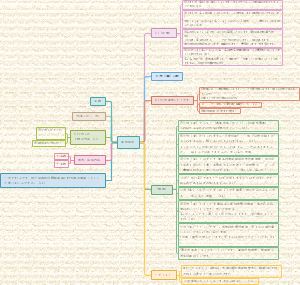
第二语言习得总表,SLA的三个问题,语言迁移被重新定义为认知现象,而不是行为现象。以通用和固定的方式学习第二语言语法。
社区模板帮助中心,点此进入>>
英语词性
法理
刑法总则
【华政插班生】文学常识-先秦
【华政插班生】文学常识-秦汉
文学常识:魏晋南北朝
【华政插班生】文学常识-隋唐五代
【华政插班生】文学常识-两宋
民法分论
日语高考動詞の活用
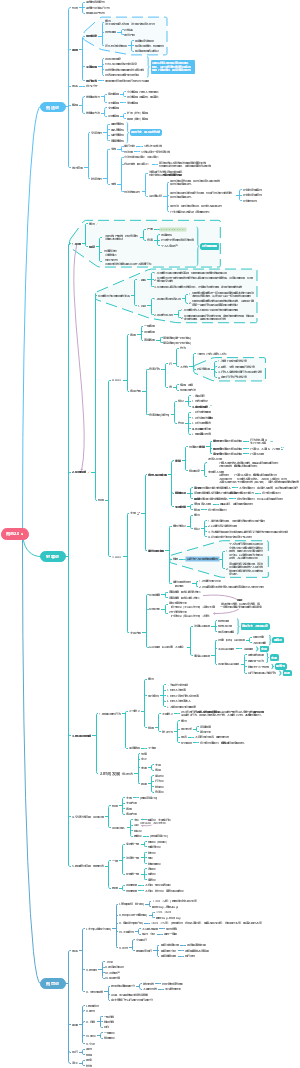
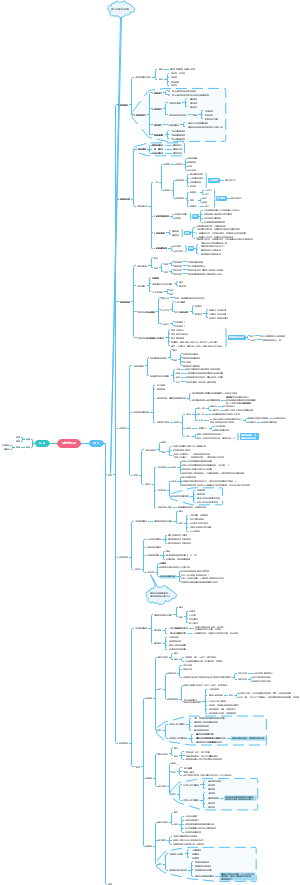
the nature of education
what is a paradigm
definition: Thomas Kuhn,1962
is paradigm existed in social science?
no: Thomas Kuhn,1962
yes: Larry,1977; Handa,1986
social science
conventional
feminist theories
critical tace and ethnic studies
queer theory
border theories
postcolonial
poststructural and postmodern work
distinct turn (Blooland, 1989,1995)
interpretive
postmodern
ctitical
Lincoln
positivist
ontology
naive realism
epistemology
dualist
methodology
quan.
postpositivist
onto.
critical realism
epi.
modified dualist
metho.
critical theory
historical realism
epis.
transactional
dialogic/dialectical
constructivist
relativism
transactinal/subjectivist; co-created findings
hermeneutical
Heron,1996;Heron&Reason,1997
participatory
participative reality
critical subjectivity
metho
political participation
particular disciplines
sociology
psychology
else
particular perspectives
marxism
feminist theory
legitimacy(contention)
postmodern paradigm
“blurring genres”(Clifford Geertz's, 1988,1993)
postmodernist
constructivism
positivist/postpositivist paradigm
paradigm positions
inquiry aim
nature of knowlege
knowlege accumulation.
goodness/quality criteria
rigor
validity
no method is the royal road to ultimate knowledge(Lincoln&Guba 1985)
postmodernist: crystal (Richardson 1997)
'an incitement to discourse'(Lather 1993)
validity as an ethical relationship
seven new standards
positionality
specific discourse communities
voice
reciprocity
sacredness
sharing of the perquisites of privilege
methods
transactional approach
member checking
Guba&Lincoln,1989
bracketing
Moustakes,1994
triangulation
Denzin,1989,2000,2003;Hammersley&Atkinson,1995
transformational validity.
radical approach chanllenges the very notion of validity(Lather 1986)
rejection of validity judges work to be valid only if it signals that validity achieves eventual ideal.
values
ethics
training
the call to action
definition: a major controversy that limits the ongoing debates among practitioners of the various paradigm. (Lincoln 2018, P234)
pros
interpretivist
see it as a meaningful and important outcome of inquiry processes(Lincoln)
cons
positivist/postpositivist
see it as contamination of research results and processes(Lincoln)
cumulation
for qualitative research: YES
commensurability
positivist VS postpositivist: YES
positivist VS constructivist:NO
interpretivist/postmodern VS critical theory VS constructivist VS participative inquiry: YES
axiology
definition: a part of the basic foundation philosophical dimension of paradigm.(Lincoln,2018)
'sacred space'(Richardson, 1994)
where the spiritual meets social inquiry(Reason, 1993; Lincoln&Denzin, 1994)
more-than-human
ANT
actor network theory
STS
science,technology, society(roots in post-structuralism and ethnomethodology)
attuning to things
sociomaterial turn
posthumanism
my own paradigm
researcher: not an independent individual existing in a vacuum(Denzin & Lincoln,1994)
onto: view reality as multiple, intangible, constructed, local and specific(Lincoln&Guba 2003)
epi:experience+interaction
student centred (Dogru2007; Kim 2005)
CORI (Guthrie 2004)
interpretivism
researcher: is part of being
researched cannot be separated and so will be subjective
research is value bound
data collection
small samples
in-depth investigations
qualitative
purpose of education
Deway
hermeneutics
chanllenge:substance assumption
introduce: person as interpenetrating
I'Anson
three elements
critical
experimental
ethical
Freire
concern for humanization
“the appresed, at a certain moment of their existential experience, adopt an attitude of 'adhesion'to the oppressor.”
Bieta
learnification
use “learner” instead of “student”
“lifelong learning.”instead of "permanent education"
control
embedded in the question of voice, reflexivity and postmodern textual representation
three issues
pure presence(Lather 2007)
author
respondents
reflexivity
the processing of reflecting critically(Guba&Lincoln 1981)
Reason 1981
the self both inquirer and respondent
both teacher and learner
coming to know the self within the processes of research itself
discovery the subject/discovery the self
postmodern textual representation
truth and knowlege
Descartes's dual substance theory: objective realm is independent of the knower's subjective experice
constructivist: antifoundation(Lincoln 1995)