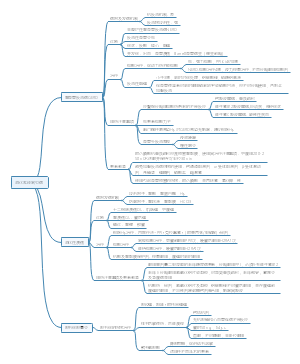
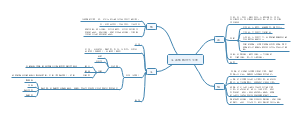
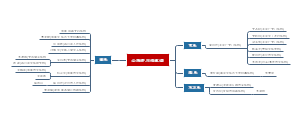
The radiolabeled antigen and unlabeled antigen are competitively combined with insufficient specific antibodies
the amount of unlabeled antigen is obtained by separating and measuring radioactivity
Radioimmunoassay(RIA) and Immunoradiometricassay(IRMA)
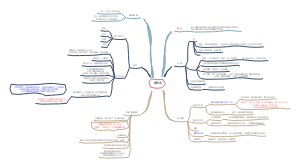
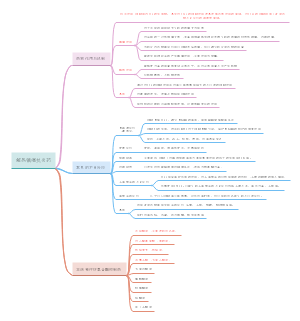
Fluorescence immunoassay
Principle
Antigen-antibody reaction
Indirect immunofluorescence test
Principle
The antibody to be tested reacts with the known antigen, and then the second antibody labeled with fluorescein binds with the first antibody in the antigen-antibody complex
Characteristics
Positive control, negative control, fluorescent marker control are required
High sensitivity
A secondary antibody can detect multiple antigen-antibody complexes
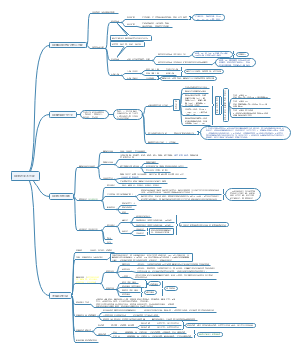
Enzyme immunoassay
Enzyme immunoassay: body fluid samples
Carrier
Microwell plate, magnetic particle or NC/PVDF membrane
Coating, reaction, washing, substrate color development
Types
Sanwich assay: Antigens containing two epitopes
One-step reaction
Easy but false negative easily occurs
Two-steps reaction
Combinition of RF and IgG, false posetive easily occurs
Typical examples
Determination of hepatitis B surface antibody
Indirect method: IgG
As long as the coating antigen is changed, the same enzyme labeled anti antibody (enzyme labeled anti human lgG) can be used to establish a method for detecting the corresponding antibody
Susceptible to interference of high concentration IgG in serum
Typical examples
Hepatitis C determination
Competitive assay: Micromolecular antigen
Both antigens have the same binding capacity
The antibody site is less than the total amount of antigen
The color development result is inversely proportional to the content
Typical examples
Determination of anti hepatitis B e antibody
Capture method: IgM
RF interference
Enzyme immunohistochemistryz: tissue or cell samples
Sample processing
Intact histocyte morphology and preservation of antigenicity of tissue components
Fixing and preservation
Inhibit the autolysis of intracellular protease, remove lipids, bacteria, and preserve tissue antigenicity
Ethanol, methanol, acetone, carbon trichloride, etc.
Sample preparation
Freezing or paraffin section
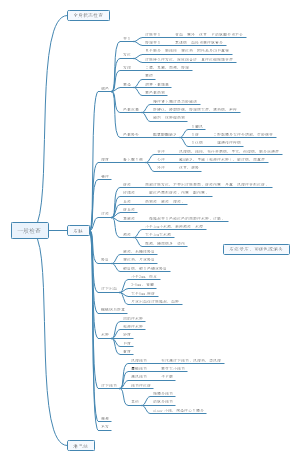
Chemiluminescence immunoassay
Summary
The electrons absorb the energy generated by the redox reaction, and the energy released from the recovery from the excited state to the ground state is shown as light emission
High specificity and sensitivity, fast and automated
Chemiluminescence immunoassay(CLIA)
Enzymatic chemiluminescence immunoassay(LEIA)
Electrochemiluminescence immunity(ECLIA)
Photoinduced chemiluminescence immunity
Flow cytometry
Not detailed here
Biotin-Avidin
The biotin avidin system (BAS) is an experimental technology based on the multi-level amplification and binding characteristics of biotin and avidin. It can not only couple macromolecular bioactive substances such as antigen and antibody, but also be labeled by materials such as fluorescein, enzyme and radionuclide. But it's not an immune response
Characteristics
Sensetivity: Biotin derivatives are multivalent, with B+A multi-stage amplification and improved sensitivity
Specificity: High affinity, high specificity, no increase of non-specific interference, and no influence due to high dilution of reaction reagent
Stability: Combining irreversibility and stability to improve accuracy
Universality: Combined with marking technology for detection; Preparation of affinity medium for separation and purification