导图社区 The Reman Republic
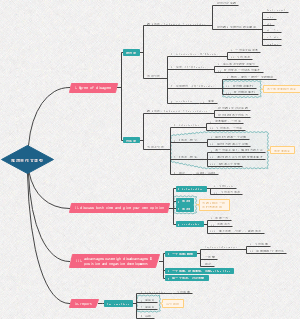
这是一篇关于The Reman Republic的思维导图,主要内容有The Roman Army、The Conquest of ltaly、The Constitution of the Republic等。
编辑于2022-11-12 14:39:47 四川省The Roman Republic
The Roman Army
The Roman army was the most successful military organization in history
In Rome, the citizens and the army were one and the same. The army was the Assembly, the chief lawmaking body of the state
In hand-to-hand combat,the soldiers used the machaira, the famous Roman short sword (cf. military tactics of Dionysius of Syracuse, about 400 BCE)
The Conquest of Italy
A treaty was signed which admitted Rome into the Latin League, and Rome quickly became the leader and master of central Italy
The Romans won the battle of Lake Regillus in 496 BCE. In 405 BCE, Rome and Etruria entered into a conflict over control of the Tiber River. In 351 BCE, southern Italy was annexed to Rome
In about 300 BCE, the Romans finally managed to put together a semblance of order among the tribes. Rome was now master of Italy and the seas from Gaul to Greece
In 280 BCE, Pyrrhus defeated the Romans at Heraclea, he was unable to follow up his victory. It is from this historical event that we get the term " Pyrrhic victory."
This was the first victory of the Roman maniples over the Greek phalanxes and began a new chapter in the history of military tactics.
Colonies served the purpose of relieving unemployment, reduced population pressure, and quieted class strife; were an extended line of defense for Rome
the Latin language spread as Italy was forged into a united state
Carthage were harassing Roman shipping from Tyre and Sidon to the Guadalquivir River
Pyrrhus lost a battle to the Romans at Regentum. This was the first victory of the Roman maniples over the Greek phalanxes and began a new chapter in the history of military tactics
Latins had given the name " Africa" to the region around Carthage and Utica, and they called the population there " Poeni, " the Phoenicians.
The Phoenicians migrated to North Africa under pressure from the great empires of Asia, the Assyrians, the Babylonians, and the Greeks
Carthage was expanding right to the borders of Rome (the western half of Sicily)
Their religions had the worst features of Canaanite worshi
The Phoenicians had originated on the eastern Mediterranean coast, around Tyre and Sidon

The Constitution of the Republic
The consuls composed of 300 heads of patrician families, who served for life
The Senate advised the consuls on legislation and public policy
In practice the Assembly had little power because the Senate held veto power over the acts of the Assembly and controlled the expenditure of public funds
From 508 BCE until the outbreak of the First War in 264 BCE
In 450 BCE, they forced the publication of the Law of the Twelve Tables
now the plebs knew what the laws were and could better protect themselves the arbitrary acts of the patrician magistrates
In BCE, the first plebeian was elected consul
In 362 BCE, the first plebeian was elected consul
In 339 BCE, the laws against between patricians and plebs were repealed, and plebs were declared eligible for all offices. In 287 BCE, the Hortensian Law (named for Quintus Hortensius) was enacted stripped the Senate of itsveto power over the Assembly
The Twelve Tables remained the law of Rome for 900 years. Until the time of Cicero, every schoolboy had to memorize them
Patricians and Plebeians
The revolution against the Etruscan domination was led by the 508 BCE
All public offices were held by patricians
A " plebiscite" is a vote by which the people of an entire country or district declare an opinion for or against an issue
The Roman government was called " The Senate of the Roman People"
Plebeians could not serve in the Senate in the early days of the Republic
The lowest ring on the social ladder was reserved for slaves, who were bought and sold as property, even by the lower plebeians
The plebeians demanded that the harsh laws be repealed and that land owned by the state and won through conquest be divided up among the people
In 494 BCE, the Senate was engaged in fighting wars and tried to draft plebeians into the army
The Senate agreed to reduce or cancel the debts of the plebs and to give plebs the offices of two tribunes who would defend their rights in the Senate
High ranking officials tried to curry favor with the plebs by offering land grants or by gifts of food during times of famine