导图社区 IM-mindmaster1
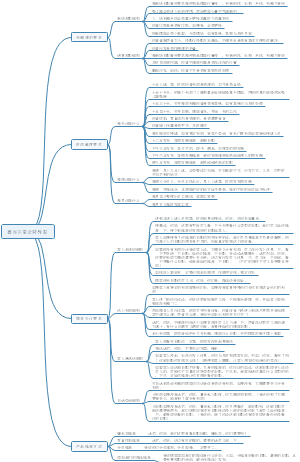
管理学Foundational Theories, why we need managers taday types of management practices
编辑于2023-04-17 21:28:22 上海Foundational Theories
why we need managers taday
industrial revolution change the structure of work process
workforce changed from small units to factories which employed many workers
manegers were needed to supervise and direct these workers
types of management practices
1.scientific management
identifying the best ,most efficient way to complete a job by studying and testing different work methods
Devoloped by Frederick W.Taylor
A response to work practices on the time :seat-of-the-pants' management
find the best way for each element of work by studying and analysing it
scientifically select train teach and develop workers to help them reach their full potential
Cooperate with workers to ensure work is carried out according to principles agreed on
ensure equal division of work between management and workers
compensation commensurate with fair day's work
2.Gantt chart
what is it
Gantt chart is a project management tool that displays the schedule and progress of individual tasks in a project. It shows the start and end dates of the tasks as well as the duration of the tasks in the form of a bar chart. Gantt charts also show the dependencies between tasks and the percentage completion of tasks. By using Gantt charts, project managers can have a better understanding of the project's progress and schedule so that they can adjust their plans and resource allocation in a timely manner.
use a graph to indicate which tasks need to be completed at which times to complete a project.
similar to Taylor, Gantt used scientific principles to select train and compensate workers.
3. Bureaucratic management
a response to managers being selected by virtue of family not by skill
max webser saw bureaucracy as the "ideal" organisation
management through rational principle to achieve organisational goals in the efficient way
the aim of bureaucracy
qualification-based hiring
employees are hired on the basis technical or educational background
merit-based promotion
promotion is based on experience or achievement
chain of command
each job occurs within a hierrachy, the chain of comand,which each position reports and is accountable to a higher position
division of labour
task responsibility and authority are clearly divided and defined
impartial application of rules and procedures
rules and procedures apply to all members of the organisation and will be applied in an manner regardless of one's position
recorded in writing
all administrative decisions acts rules or procedure will be recorded in writing
managers separate from owners
the owners of an organisation should nor manage or supervise the organisation
4.administrative management
fourteen principles of management that he thought could be used to solve management issues
fayol's principles of management
1.division of work
2.authority and responsibility
3.discipline
4.unity of command
5.unity of direction
6.subordination of individual interests to general interest
7.remuneration
8. centralisation
9. scalar chain
10. order
11.equity
12.stability of tenure of personnel
13.initiative
14.morale and unity
5.human relations management
suggest efficiency alone is not enough
organisational success also depends on management treating workers well
employee productivity and motivation can be increased through positive social bonds in the workplace and acknowledgement of the worker as a unique individual
6.cooperation and acceptance of authority
people won't be indifferent to managerial directives if they
are understood
are consistent with the purpose of the organisation
are compatible with the people's personal interests
can be carried out by those people
7.operration management
ideas and tools from resarch into weaponry by USS government in WWLL
8. information management
management needs timely and accurate information
9. systems management
systems view of organisation; idea of organisations existing within an environment
10. contingency management
there are no universal and the most effective management theory or idea depends on the kinds of problems or situations that manages or organisation are particular time and place