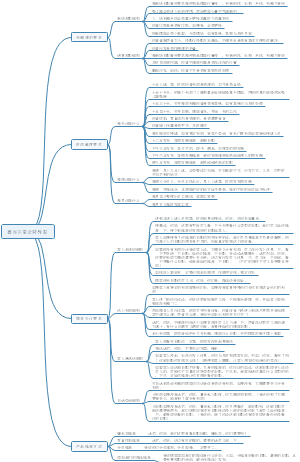
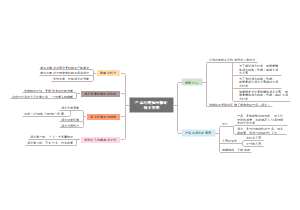
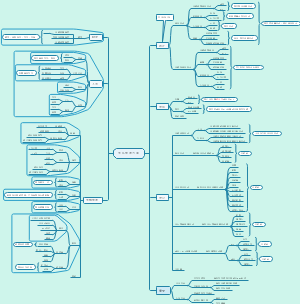
(1)Recognizing an Area of Interest
(2) Developing Initial Research Questions;
First:Developing initial question
Second:Additional sub-questions were subsequently developed that focused on particular modalities
Approaches to qualitative research allow for the continuing revision and expansion of research questions
(3) Constructing the Data Corpus
First:Define the corpus of multimodal phenomenon to include in the study and what to include as it is to construct reasons and justifications for what not to include
Type:time,categories,commercial and institutional purposes,etc.
Second: Use online resources to locate representative
Data selection criteria of corpus: there is adequate data to generate assertation on the content studied
Third: Constructing the data corpus
(4) Defining the Object of Study
Purpose: 'bound the case' i.e. explicitly define the focus of our analysis to distinguish which elements would be part of the data corpus and which would not.
First: Explicitly define and describe what the object of analysis would be and what to include as part of the analysis, and what aspects may not be analyzed during a particular study.
Second: Expanded and clarified our definition of the object of analysis even
further
(5)Developing Initial Categories
First: Determine analysis variable
(6) Developing the Analytical Template
One of the most successful analytical techniques
The primary goal: Developing and applying the analytical templates was to focus our attention on particular visual, textual, design
Advantage: Make our observations and analysis more systematic, to guide our perceptions, and to generate additional subcategories for further analysis.
(7)Testing the Analytical Template
The Final Analytical Templateas used as an observation guide to provide researchers with a framework for systematically approaching each data point in a similar manner.
(8) Applying the Analytical Template to the
Data Corpus
First: Recorded theoretical memos
Also kept methodological memos
Purpose: Keep track of the effectiveness of the analytical template and to recognize any aspects of the labels that were not fully addressed in the template.
(9) Constructing Potential Themes
Themes: They are constructed by the researchers during data analysis by close readings and interpretation of the data corpus.
Second: Expanded and revised
Third: Illuminate several assertions
(10) implications of the analysis
(11) Dissemination of Findings
Feature:Constructing themes, considering implications of the analyses, and the presentation of the findings.