导图社区 Leadership
Leadership is the art of motivating a group of people to act toward achieving a common goal. Learn common characteristics and how they compare to managers.
社区模板帮助中心,点此进入>>
项目时间管理6大步骤
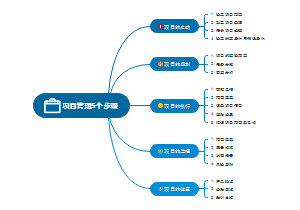
项目管理的五个步骤
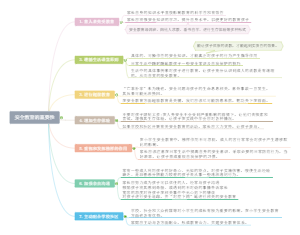
安全教育的重要性
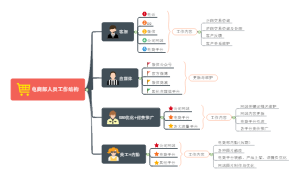
电商部人员工作结构
电费水费思维导图
D服务费结算
组织架构-单商户商城webAPP 思维导图。
个人日常活动安排思维导图
暮尚正常运转导图
批判性思维导图
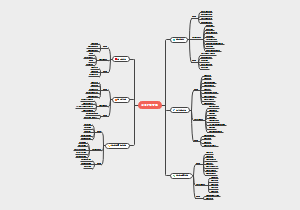
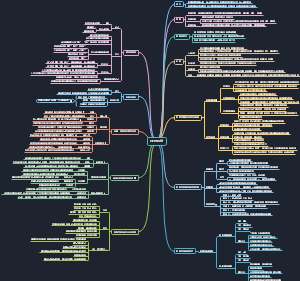
Leadership
Chapter 3
Skill Approachs
Three-skills Approach
Technology skills
Human skills
Conceptual Skills
Basic Administrative Skills
Skill-based Model
The capability of leaders not what leaders do
Examines the relationship between a leader's knowledge & skills & the leader's performance
Three competencies are central determinants
Strengths of Skill Approach
Describing leadership in terms of skills makes leadership available to everyone
Expansive view of leadership that incorporates wide variety of components
Criticisms of Skill Approach
Breadth of the skills approach appears to extend beyond the boundaries of leadership
Weak in predictive value
Skills model includes individual attributes that are trait-like
Applications of Skill Approach
Provide insights into the individual’s leadership competencies
Applicable to leaders at all levels within the organisation
Provides a way to delineate the skills of a leader
Chapter 4
Behavioural Approach Description
Task behaviours
Relationship behaviours
Primarily a framework for assessing leadership as behaviour with a task and relationship dimension
Behavioural Approach
Ohio State Studies
Participant settings (military, industrial, educational)
Leadership Behaviour Description Questionnaire (LBDQ)
Initiating structure – Leaders provide structure for subordinates (Task behaviours)
Consideration - Leaders nurture subordinates (Relationship behaviours)
University of Michigan Studies
Blake & Mouton's Leadership Grid
Concern for production
Concern for people
Strengths of Behavioural Approach
Leaders can learn a lot about themselves and how they come across to others
Major shift in leadership research from exclusively trait and skills focused to include behaviours and actions of leaders
Criticisms of Behavioural Approach
No universal behaviour of leadership
Chapter 2
great person theory
historical shifts (1948-2004)
major traits(ISDIS)
BIG 5 factor: NEOAC
emotional intelligence & leadership→measure EQ
work approach
focus of trait approach: leader VS. cridibility
strengths: intuitively appealing VS. cridibility
criticism
appilication (direction)
Chapter 1
defined
evolution (1990s-1980s-21 century)
conceptualizing leadership
definition
central concepts of leadership and leaders
described
trait VS. process leadership ( inborn VS. interaction)
assigned VS. process leadership (position VS. others)
power
six bases
position power & personal power
shift
conercion (use force)
management & leadership
management activities (consistency)
leadership activities (change)