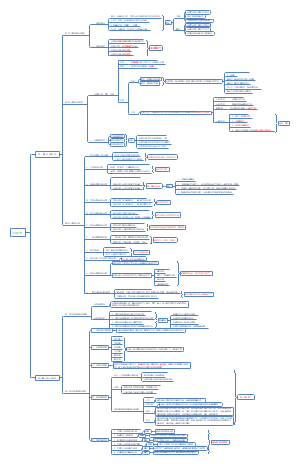
United Nations Convention on Contract for the International Sale of Good(CISG) 联合国国际货物销售合同公约
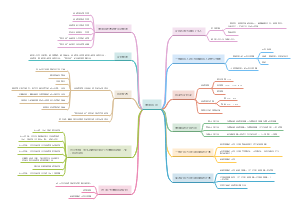
A.The Development of International Business Law国际商法的发展
B.The Drafting of CISG
Reason
the consequence of contract
There are many difference between nation law
Purpose
The CISG is a convention or agreement among nations that is binding once the legislature of a country adopt it. It hen becomes a part of the country's domestic law.
Which organization draftd it?
(UNIDROIT) the Internatinal Institute for the Unification of Private Law (page 33 para2)
the U.N. Commission on International Trade Law (UNCITRAL)
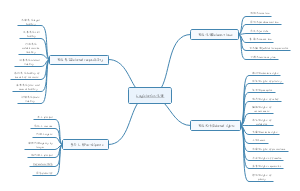
C.Applicability
AApplicability适用范围
a) for commercial sales of goods: not for consumer sales
b) between parties whose places of business are in
different countries (natioanality not considered)
C) the places of business are in a contracting state
or applicable by rules of private international law国际司法规则导致适用(允许保留)
B Sales and issue excluded 排除适用的销售
C. Issue not convered没有涉及的问题
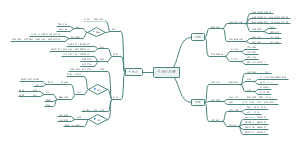
D.Interpreting CISG
A.The Convention公约
· A) The Convention 公约
a)situation: the words itself require interpretation b) methods:
the international character of the convention
the need to promote uniformity in the convention's application;
the observance of good faith
(the plain meaning rule 字面意思规则 ); Travaux preparatoire (preparatory work); legislative history? Case law?
B.General Princioles一般原则
CISG calls for courts to look to the general principles on which the Convention is based, but gives no list of general principles. lt does set out mechanism for determining them: they must be derived from
particular sections within the Convention, and then extended, by analogy, to the case at hand. Two principles suggested: a) the duty to
communicate information needed by the other party; b) the obligation to mitigate damages resulting from a breach.
C. Rules of Private International Law国际私法规则
1.Used only when CisG itself does not directly settle a matter, or when the matter cannot be resolved by the application of a general principle derived from the Convention itself.
2.private international law rules vary from country to country. Private international law codes Vs case law.
Purpose: to avoid the possibility that courts will adopt interpretive aids on an ad hoc basis.
D.Statementsmand Conduct of the Parties当事人的陈述和行为
Approach to determine "meeting of minds" or“common intent" 意思一致或合意:
subjective intent approach 主观意思主义 objective intent approach 客观意思主义.
Oliver Wendell Holmes' comment: "the law has nothing to do with the actual state of the parties? minds. In contract, as elsewhere, it must go by the externals, and judge parties by their conduct."
E.Negotiations谈判
Article 8(3) of the CISG: When determine a party's intent, the following consideration should be taken into account:
a) the negotiations leading up to the contract
b) the practices which the parties have established between themselves.
c) the parties' conduct after they agree to the contract.
Purpose: to do away with the technical rules that domestic courts use to interpret contract.
F.Practices and Usages 惯例
Art.8(3)and 9(1): any practice they have established between themselves. (bound)
Art.9(1): any usage which the parties agreed to.(bound)
Art.9(2): a usage which the parties knew or ought to have known and which is widely known to and regularly observed. (let courts consider)
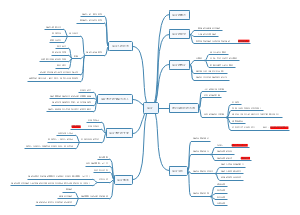
CISG
subjective intent first: if it can be fairly
ascertained and the other party knew or could not have been unaware of the speaker's intent.
objective intent : when a speaker's intent is not clear.
A party's statement and other conduct are "to be interpreted according to the understanding that a reasonable person of the same kind as the other party would have had in the same circumstances.
the parol evidence rule
口头证据规则
the parol evidence rule forbids a court from considering any “prior” or “contemporaneous oral understanding" when it is interpreting a writing that the parties intended as a “final expression of their agreement"
SICG's attitude : lf the parties choose to adopt the parol evidence rule, they can do so,
however, unless they specifically do so, the
court will look at all the relevant circumstances of the case.
Case law?
. The need to promote uniformity in the convention's application compels courts to examine and follow the decisions of the courts in other contracting states.
The requirement to use good faith means that courts must accept foreign decisions as precedents and depart from them only when they are clearly distinguishable,
clearly erroneous, or no longer applicable to changed international circumstances.
a) the legality of the contract(合同的效力)
b) the competency of the parties (当事人的行为能力)
c) the rights of third parties(第三方的权利)
Laws of different countries differ greatly on these issues, which might jeopardize the adoption of the CISG.
a) consumer goods sold for personal, family on
household use.
b) goods bought at auction
c)stocks, securities, negotiable instruments, or
money
d) ships, vessels, or aircraft e) electricity
f) assembly contracts
g) contracts that are in preponderant part for the supply of labor or other services
h) liability of the seller for death or personal injury
caused by the goods
i)parties agree to exclude the Convention or they choose other law.
How is the situation when a party has places of
business in more than one country (multinational corporation)? - principle of closest relationship(to the contract\place of performance)
Its purpose(page32 para 2(3 porpose)
1951 the Uniform Commmerical COde(UCC)美国统一商法典
Trading nations around the world need for more uniformity in application of commerical laws
1906 the Uniform Sales Act 销售法(The United States)
1894 Sale of Goods Act 英国货物买卖法(England)
The Lex Mercatoria(law merchant)商法或商人法