导图社区 国际经济学英文版Chapter2_Comparative Advantage
国际经济学英文版(作业),包含历史发展、生产可能性时间表、在成本不断增加的条件下进行交易、 不断变化的比较优势等。
社区模板帮助中心,点此进入>>
马克思主义原理
考研数学重点考点知识总结归纳!
数据结构
法理学读书笔记
思维导图带你认识马克思主义原理
建筑光学基本知识
考研英语一写作
考研复习知识点之史纲思维导图。
教育学考研:教育学原理第八章教学内容整理
考研三步翻译技巧
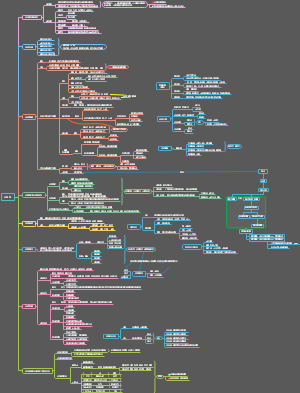
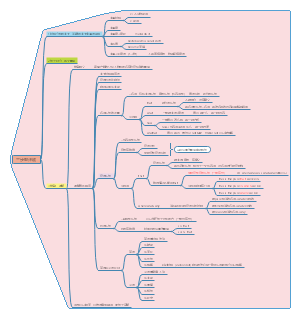
Chapter2 Comparative Advantage
Historical development
Mercantilists
1500-1800
Encouraging exports
Discouraging imports
Promoted a favorable trade balance
Rise in
Domestic output
Employment
Price-specie -flow doctrine
In a short run
Be eliminated
Absolute advantage
The wealth of nations
1776
International divstionof labor
Cost differences govern movement of goods
Labor theory of value
A nation, tabor is the only factor of production
Cost depends on labor requirements
Comparative advantage
1800
David Ricardo
free trade whether or not have any absolute advantage
Comparative(relative) cost differences
两优取其重,两劣取其轻
Shortcoming:labor is the only factor input
Production possibilities schedules
Production possibilities frontier
MRT marginal rate of transformation
Opportunity cost
Constant
Autarky
Absence of trade
Specialization
Production gains
Static gains from specialization
Trade triangle BCD
Exports- along the horizontal axis
Imports- along the vertical axis
Increasing
Decreasing
子主题
Trading under constant cost conditions
Region of mutually beneficial trade
Bounded by the cost ratios of the two countries
Equilibrium terms of trade
Actual terms of trade
The theory of reciprocal demand
Best applies when both nations are of equal economic size
Unequal economic size
Small nation can export as much of the commodity as it desires
Larger nation, fewer gains
Improvement in a nation's terms of trade
Rise export prices
Smaller quantity of export goods sold abroad
Dynamic gains from trade:economic growth
Advantage
More efficient use of an economy's resoutes
Higher output and income
More saving and investment
Higher productivity
Promote economic growth
Economics of large-scale production
Higher efficiency& lower unit cost
Increased competition
Changing comparative advantage
Change over time
Productivity increases
Producers needs to hone skills
Trading under increasing cost conditions
Increasing opportunity cost
Principle of diminishing marginal productivity
Comparative product pricesare determine by both supply and demand factors
Partial specialization
Specializes only partially
Differing tastes for products