导图社区 英一作文写作格式
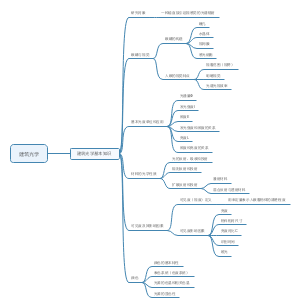
考研英语写作格式分类简介,包含经典例句,汇总了书信类、告示类、大作文、报告写作、备忘录和图画类,有助于学习者掌握各类作文的写作规范。
编辑于2025-12-19 20:37:11英一作文 写作格式
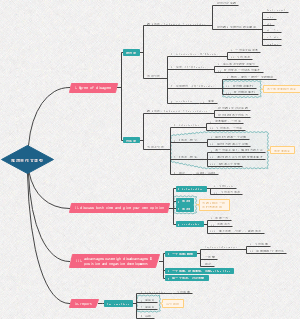
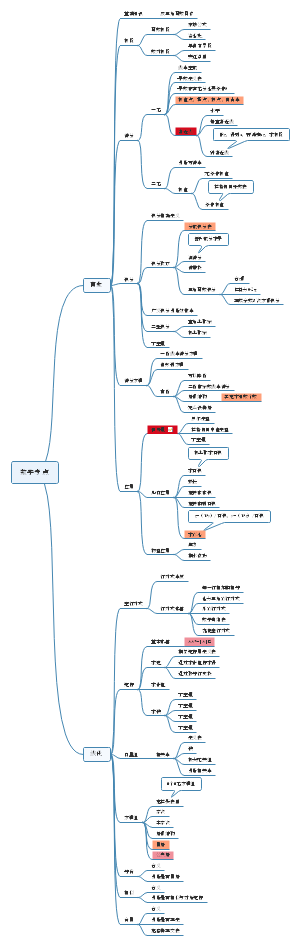
大作文
框架结构
(一)Introduction: 引言/起始/淘金段,图画描述句,3句
①General description:总体描述,点出人物、动作和环境,1句
②Details:挖掘细节词,串联成句,1~2句
③Captions:文字说明或象征意义,1句
图画可用中文文字说明的翻译作为首段末句
(二)Body: 主体/拓展段,意义阐释段,5句
①Topic sentence:主题句,即symbolic meanings(象征意义),1句
②Argument:论证,3句。每个观点后都应有原因、解释或例证
五大角度:background、facts、others' opinions、reasons、consequence
六种手段:cause and effect因果、classification分类、definition and explanation、statistics and facts、exemplification举例、compare and contrast
联系现实
③Summary:小结,1句,概括论证,总结本段
(三)Conclusion: 结论段,建议措施段,1句
①Concluding sentence:结论句,1句
②Suggestions:两点建议或两句评论,2句
③包装结尾,展望未来:1句
倒装句 Only by...can we... Only in this way...can we...
强调句 It is...that...
虚拟语气 It is high time that we did sth.
名人名言 Just as the famous German philosopher Friedrich Nietzsche wrote in his Twilight of the Idols:"What does not destroy me makes me stronger."
分类
图画
图表
材料
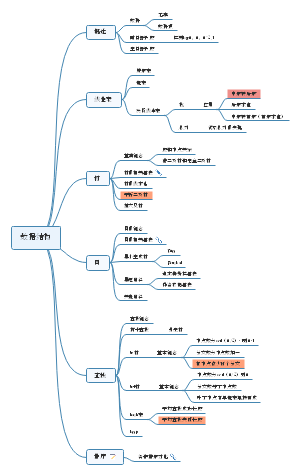
报告写作
英文是report,即一个机构内部下级对上级的正式书信,属于正式文体, 文中最好不要使用缩写、省略或口语表达等非正式语言
称呼(如To:Zhang Wei)
落款(如From:Li Ming)
日期(如Date:December 21,2020)
主题(如Subject:Training)
顶头写
正文一般写二至三段
备忘录
英文是memo或memorandum, 即机构内部的半正式书信,一般是上级对下级or同级之间,属于半正式文体 文中可使用3-5次缩写、省略或口语表达
称呼(如To:Zhang Wei)
落款(如From:Li Ming)
日期(如Date:December 21,2020)
主题(如Subject:Training)
顶头写
正文一般写二至三段
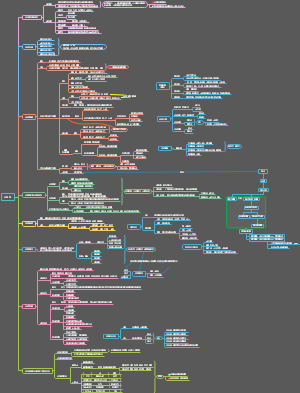
告示类
标题
必须写标题(一般为短语)
名词结构
通知
Notice(通知)
Announcement(通告)
Notice of a Decision(决定通知)
Notice of Dismissal(免职通知)
启事
Removal(迁移启事)
Acknowledgements(鸣谢)
Corrections(更正启事)
Invitation for Bids(招标启事)
其他
Note(便条)
Preface(书刊序言)
Pact(公约)
Rules(守则/规则)
Conditions of Car Rentals(租车注意事项)
Christmas Clearance Sales(圣诞节清仓大甩卖)
名词+过去分词
Child Lost(寻子启示)
Contributions Wanted(征稿启事)
现在分词+名词
Looking for a Spouse(征偶启事)
Exchanging Houses(换房启事)
介词结构
For an Exchange of jobs(换工作启事)
日期
写在标题下一行的右侧,右端与右边线对齐。
常见写法为“January 4, 2015”等
正文
根据题目要求,写一至三段
常用时态
一般现在时或将来时,可使用现在进行时表示近期即将发生的事情,如 is organizing;也可使用动词不定式,如 to be held;或 will/shall do,may/can do结构,如will be invited,may sign up
开头句型
Your attention, please...
It has been decided that...
May I have your attention, please?
...is requested to note that...
...has/have the honor to announce...
...takes the pleasure in announcing that...
...has/have the pleasure to notice/announce (that)...
This is to note/notice/notify/announce that...
It is hereby noted/announced/proclaimed/made public that...
...is/are authorized to invite/announce/declare that...
Under the auspices of..., ...will organize/hold a... match/competition contest between... and... on... in...
一般顺序
客套(欢迎/恭喜等),说明写作目的
具体说明
再次客套
署名
可以是个人,也可以是公告单位
公告单位的署名中实词首字母需大写,虚词除作为短语首词外均不需要大写
写在正文下方中间偏后的位置,与日期基本对齐
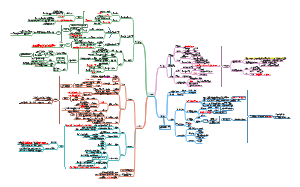
书信类
私人信函和公务信函
公务信函一般谈论或处理重要事务,可能是推荐信、求职信、邀请信、询问信、回复信、投诉信等
两种信函中使用的语言都应当清楚明确、直截了当。 公务信函措辞应讲究礼貌,注意用词准确、行文简洁;私人信函格式和语气比较随便
称呼(salutation)
常见称呼
Mr.(先生)用于男性 Dr./Prof.(博士/教授)用于学术界 Ms.(女士)用于女性,已婚未婚均可,只知收信人姓名而不知性别时也可使用 Editor(用于编辑) Dear Sir or Madam,用于不知收信人姓名时 TO Whom It May Concern,用于不知收信人姓名时(一般仅用于推荐信、证明信、鉴定信一类)
写给机构
不认识负责人
Dear Sir or Madam,
To Whom It May Concern,
认识负责人
Dear Mr. President,
Dear Mr.(Michael) Wang,(使用全名或姓)
写给个人
关系不亲密
Dear Mr. President,
Dear Mr.(Michael) Wang,(使用全名或姓)
关系亲密
Dear Michael,(直呼其名)
正文(body)
首段
1~2句,阐明写作目的,说明事由
自我介绍
I am a staff member from your company/corporation.
I am a freshman/sophomore/junior/senior/undergraduate/graduate from the Department of Chinese Language and Literature.
写作目的
I am writing the letter in purpose of doing...
I am writing to inform you that...
第二段
3句
尾段
1~2句,也可先写期待回信,再表示感谢
表示感谢
1句,部分私人回信通常不用表示感谢
①My thanks for you to your generous help are beyond words.
②Words fail me when I want to express my sincere gratitude to you.
③I take this opportunity to show my heartfelt appreciation to the kind assistance you render me.
期待回信
①I look forward to hearing from you soon.
②I am looking forward to your favorable reply at your earliest convenience.
③Your prompt attention to my inquiry would be highly appreciated.
结束语(complimentary)
公务信函
Yours sincerely,
Yours truly,
Yours respectfully,
私人信函
Yours sincerely.
Yours lovingly,
Yours,
Yours cordially,
Yours faithfully,
Yours affectionately,
签名(signature)
图画类
㈠Introduction:引言/起始段,图画描述段,3句
①general description:总体描述,1句。 人物/动物/事物+动作+环境,或人物+服装+表情
②details:挖掘细节词,联接成句,1~2句
③captions:文字说明,1句 大多数图画中都有中文的文字说明,可以可以翻译过来作为首段末句
㈡Body:主体/拓展段意义阐释段,5句
(图画作文的创作原则是:以小见大,把握象征寓意,个体想为群体,具体想为抽象)
①Topic sentence主题句:1句,应为symbolic meanings图画的深层象征寓意 此句是文章的中心思想,也是第二段的主题句,承上启下
②Argument论证:3句 牢记: 每个观点后都应有原因、解释或例证
五大角度(择一)
background背景:政治,经济,文化和社会背景
facts事实:普遍公认的社会现象
other's opinions反方观点:欲扬先抑、欲进则退,在提出正方观点之前,可以先提出反方观点并进行驳斥
reasons原因
consequence结果:一般有利有弊
六种手段
cause and effect因果论证:前果后因,第一句为主题句即结果,后面的论证为原因
classification分类论证:(建议)在第二段写2~3点原因或例证,第三段写两点建议。这样结构更严谨,逻辑更清晰
definition and explanation定义和解释
定义:自问自答;解释:换个角度把上一句说一遍
statistics and facts统计和事实:可合理虚构数据,只要自圆其说、真实可信
exemplification举例论证
comparison and contrast比较和对比
㈢Conclusion:结论段,建议措施段,4句
concluding sentence:结论句1句
suggestions:两点建议或两句评论,2句
包装结尾,展望未来:1句
可使用倒装句、强调句、虚拟语气
Only by doing sth, do/ can we do sth
It is... that be+ adj. +(for sb.)+ to do sth.
It is high time that we +v-ed sth.我们早应该…,是时候…
名人名言
Just as the famous German philosopher Friedrich Nietzsche wrote in his Twilight of the Idols:"What does not destroy me makes me stronger."