导图社区 第十六课上Heart Disease Treat or Pr
- 27
- 0
- 0
- 举报
第十六课上Heart Disease Treat or Pr
这是一篇关于第十六课上Heart Disease Treat or Pr的思维导图,感兴趣的小伙伴可以收藏起来观看,
编辑于2022-09-11 19:52:50
- 相似推荐
- 大纲

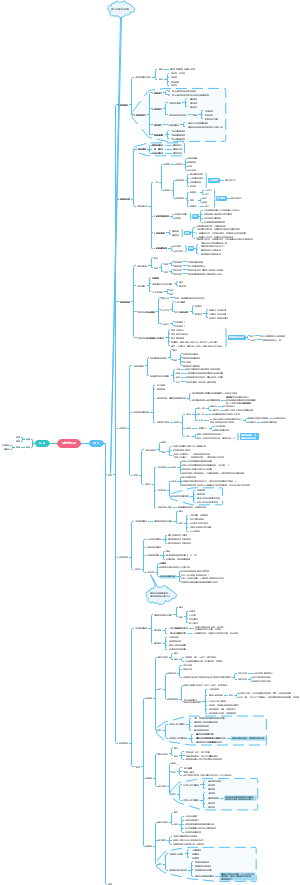
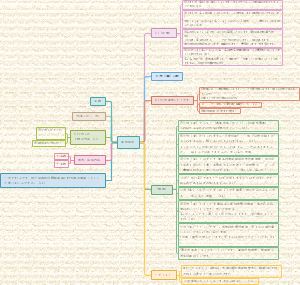
Heart Disease: Treat or Prevent? 心脏病:有了病才去治还是没病先预防?
课文
One of the greatest killers in the Western world is heart disease. The death rate from the disease has been increasing at an alarming speed for the past thirty years. Today in Britain, for example,about four hundred people a day die of heart disease. Western healthcare systems are spending huge sums of money on the surgical treatment of the disease.
心脏病是西方世界的最大杀手之一。在最近三十年以前,心脏病的死亡率正在以惊人的速度上升。例如,今天在英国每天大约有四百人死于心脏病。西方的各级卫生保健机构在心脏病的外科手术治疗方面正在耗费大笔的金钱。
This emphasis on treatment is clearly associated with the technological advances that have taken place in the past ten to fifteen years. In this time, modern technology has enabled doctors to develop new surgical techniques and procedures. Many opeations that were considered impossible a few years ago are now performed every day in U.S. hospitals. The result has been a rapid increase in heart surgery.
这种老是强调治疗的作法显然与最近十到十五年内技术的进步有很大关系。在这一段时期内,现代技术使医生们研制出了一些新的外科手术方法和程序。两三年前还认为是不可能做的很多手术,现在在美国的各大医院里每天都在做。其结果就使对心脏实行外科手术的病例迅猛地在增强。
Although there is no doubt that a large number of people benefit from heart surgery, critics of our health-care systems point out that the emphasis on the surgical treatment of the disease has three clear disadvantages. First, it attracts interest and financial resources away from the question of prevention. Second, it causes the costs of general hospital care to rise. After hospitals buy the expensive equipment that is necessary for modern heart surgery, they must try to recover the money they have spent. To do this, they raise costs for all their patients, not just those patients whose treatment requires the equipment. The third disadvantage is that doctors are encouraged to perform surgery -- even on patients for whom an operation is not at all necessary -- because the equipment and surgical expertise is available. A federal government office recently said that major heart surgery was often per-formed even though its chances of success were low. In one type of heart surgery, for example, only 15 percent of patients benefited from the surgery.
尽管有很多人从心脏外科手术中得到了好处,还是不容怀疑的;但是,对我们的医疗保健机构提出批评的人士都指出,强调用外科手术治疗心脏病的作法很明显有三大害处。第一,这种作法使得人们在兴趣和财力资源的分配上忽略了预防心脏病的问题。第二,这种做法导致了一般的医疗费用的上涨。各医院都购置了从事现代心脏外科手术所必须购置的昂贵设备之后,这些医院必须千方百计收回花费在这些设备上的购置费用,而不仅仅是提高了需要使用这些昂贵设备来加以诊治的患者们的费用。第三个害处就是鼓励医生去开刀--甚至对那些根本不需要动手术的病人也给开了刀--因为,要弄到一张专家同意手术的鉴定书、要使用这些设备都是唾手可得的。美国联邦政府办公厅最近宣布说即使成功的机率很低也还要经常对心脏动用外科大手术。例如,有一种外科手术,只须 15%的患者在手术后病情有所好转。
In the recent past, medical researchers have begun to emphasize the fact that heart disease is associated with stress, smoking and a lack of exercise, and we can often reduce the risk of heart disease by paying more attention to these factors.
最近这几年医学研究人员们开始强调这样一个事实,即心脏病与人的精神紧张、吸烟成癖,缺乏锻炼有密切关系,如果多加注意这些因素我们通常都能降低患心脏病的机率。
More and more people are realizing that there is a connection between heart disease and the way they live. As a result of this new awareness, attitudes toward health are changing. In the past, people tended to think that it was sufficient for good health to have a good doctor who could be relied on to know exactly what to do when they became ill. Now they are realizing that merely receiving the best treatment for illness or injury is not enough. They are learning that they must take more responsibility for their own health. Today many people are changing their dietary habits and eating food with less fat and cholesterol. Many are paying more attention to reducing stress in their lives. The number of smokers in the United States is now far below the level of twenty years ago as many people succeed in breaking the habit and as fewer people take it up. More and more people are aware of the benefits of regular exercise like walking, running, or swimming; some have begun to walk or ride bicycles to work instead of driving. Millions have become members of health clubs and have made health clubs one of the fastest growing businesses in the United States today. And now the beneficial effects of these changing attitudes and behaviors are beginning to appear: an encouraging decrease in deaths from heart disease.
越来越多的人意识到人们的生活方式与心脏病之间有密切的关系。由于认识到了这一点,人们对待健康的态度正在转变。过去多数人都有这样一种看法:变为当人们生病以后,只要能有一位可以信赖的好医生,这位医生能确切地知道该怎么治,这对保障一个人的健康来说已经足够了。现在人们认识到伤病以后仅仅能得到最好的治疗是很不够的。人们已经知道了自己应当对自己的身体更加负起责任来。今天许多人正在改变饮食习惯,人们都吃低脂肪低胆固醇的食物。许多人更加注意减少生活中精神紧张的压力。美国现在吸烟的人数要比 20 年前少得多,因为有许多人成功地戒掉了这种恶习,还因为开始尝试吸烟滋味的人也越来越少。还有越来越多的人尝到了像走路、跑步、游泳之类的按时锻炼的甜头。有些人开始步行或骑自行车上班而不坐汽车。数百万人已经成了健身俱乐部的会员,这就使健身俱乐部成为今日美国发展最迅速的行业之一。现在人们对待健康的态度的转变,人们行动的转变所带来的好处已经开始显露出来了:因心脏病致死的病例下降了,这使人们得到很大的鼓舞。
主题
西方
west
[west]
adj. 西部的; 西风的;
adv. 向西; …以西;
n. 西方; 西部; 西方国家;
缩写 PIE*wes-pero,黄昏,晚上,词源同 vesper,来自 PIE*we,下降,落下,引申词义太阳落山 的方向,即西方。
western
[ˈwestən]
adj. 西方的,西部的; 向西的; 西方国家的;
n. 西部电影/小说;
The sun began to turn red on the western horizon.
(太阳在西方地平线上开始变成红色。)
horizon
[həˈraɪzn]
n. 地平线; 范围; 界限; 眼界;
I've just had four years in Western Nigeria.
(我刚在西尼日利亚呆了四年。)
Nigeria
[nai'dʒiəriə]
n. 尼日利亚(位于非洲)
The impact of western technology on that country was incredible.
(西方技术对那个国家的影响是难以置信的。)
incredible
[ɪnˈkredəbl]
adj. 不可思议的; 惊人的; 难以置信的; 未必可能的;
westerner
[ˈwestənə(r)]
n. 西方人; (尤指)欧美人;
Many Westerners eat too much food rich in sugar and fat, they may die of heart illnesses at an early age.
(许多西方人吃太多高糖、高脂的食品,他们可能在年轻时就会死于心脏疾病。)
Westerners eat with forks and knives, while we Chinese eat with chopsticks.
(西方人用刀叉吃饭,而我们中国人用筷子吃饭。)
fork
[fɔːk]
n. 餐叉; 岔口; 耙;
vi. 分叉;
vt. 叉起;
knife
[naɪf]
n. 刀; 匕首; 刃部; 手术刀;
vt. 切割,刺; 伤害;
vi. 劈开; 划过;
chopstick
[ˈtʃɒpstɪk]
n. 筷子;
疾病
ease
[iːz]
n. 容易; 舒适; 无忧无虑;
v. 减轻; 缓和; (使)小心缓缓地移动; 降低; (使)贬值;
来源于拉丁语动词adjacere(附近放置),其现在分词为adjacens(附近的,手边的,方便的),进入古法语后有名词aise,是英语ease的词源。 同源词:adjacent, adjective, easy 词组/短语:at easy (adv.) 舒适,不拘束with easy (adv.) 容易地ease off (v.) 减轻,减缓ease up (v.) 减轻,减缓
disease
[dɪˈziːz]
n. 疾病; 恶习,弊端;
v. 传染,使……有病
dis-, 不,非,使相反。ease, 放松,舒服。即不舒服,生病。
adjacent
[əˈdʒeɪsnt]
adj. 邻近的; 毗邻的;
ad(去)+jac(依靠)→靠在一起→毗连的 词源解释:jac←拉丁语jacere(依靠) 同源词: adjacence(毗邻),subjacent(底下的),circumjacent(围绕着的),interjacent(居间的)
杀
kill
[kɪl]
vt.& vi. 杀死…;
vt. 使停止[结束,失败]; 破坏,减弱,抵消; 使痛苦,使受折磨; 使笑得前仰后合,使笑死了;
n. 杀死; 猎; 被捕杀的动物; 猎物;
可能来自古英语cwellan,杀死,词源同quell.
killer
[ˈkɪlə(r)]
n. 杀人者,杀手; 导致死亡的人/事物; 棘手的事; 令人激动/精彩的事物;
警报
arm
[ɑːm]
n. 臂,手臂; 袖子; 扶手; 狭长地带; 分支机构;
v. 武装; 提供;
词根ar, 连结,同art. -m, 插入鼻音字母。武器即手臂所持。
alarm
[əˈlɑːm]
n. 惊恐,担心; 警报(器); 闹钟;
v. 使惊恐,使担心; 给…装警报器;
旧时意大利哨兵发现敌人来袭时常常呼喊all’arme,相当于英语to arms或to the weapon,意思是“准备战斗”。嗣后all’arme合为allarme,古法语和中世纪英语把它吸收了过来,拼作alarme,保留丁它在意大利语的原义。
alarm clock
There is no cause for alarm.
(不必恐慌。)
It is necessary that you install a burglar alarm.
(你有必要装防盗警报器。)
burglar
[ˈbɜːɡlə(r)]
n. 窃贼; 破门盗窃者;
burg, 城堡。字母l, 缩写自larceny, 偷窃。
They were alarmed to find the old lady dead.
(他们发现老太太死了,大惊失色。)
alarming
[əˈlɑːmɪŋ]
adj. 使人害怕的,扰乱人心的; 使人惊慌的; 告急的; 危言耸听的;
v. 警告(alarm的现在分词);
worrying
[ˈwʌriɪŋ]
adj. 焦虑的,烦恼的; 令人担心的;
disquieting
[dɪsˈkwaɪətɪŋ]
adj. 令人不安的,令人不平静的;
v. 使不安,使忧虑,使烦恼( disquiet的现在分词 );
dis-, 不,非,使相反。quiet, 安静
The world's forests are shrinking at an alarming rate.
(世界森林正以惊人的速度减少。)
shrinking
[ʃrɪŋkɪŋ]
v. 收缩( shrink的现在分词 ); (使)缩水; 退缩; 畏缩;
shrink
[ʃrɪŋk]
v. 收缩; 畏缩;
n. 心理学家;
外科医生
surgeon
[ˈsɜːdʒən]
n. 外科医生; [军]军医;
来自古法语 surgien,给病人做手术的人,来自 cirurgie,手术,来自拉丁语 chirurgia,手术,来 自 chiro-,手,词源同 chirography,chiropractic,-urg,工作,做工,词源同 organ,synergy.
erg,urg = 工作
词根erg 来源于希腊语 ergon 工作,由于“功”这个概念在物理学上的重要性,所以它经常出现在科技术语中,且常带有连接词 -o-。词根arg-,-ory-,-urg(y)-,-ergo- 为 词根-erg- 的变体,其中,-urgy 为名词构词形式,表示“制作科学 / 技术 / 工艺”;词根erg有异形同义词根:-us-,-util- 使用 / 作用;词根erg它相应的拉丁语词根为:-oper- 工作,来源于拉丁语 opus,如:opus 作品、operator操作人员;还有一个也表示工作的词根labor与词根是同义异源。
He works as a brain surgeon in a hospital.
(他在一家医院做脑外科医生。)
A good surgeon must have an eagle's eyes, a lion's heart and a lady's hand.
eagle
[ˈiːɡl]
n. 雕; 鹰; 鹰击(比标准杆少打两杆);
lion
[ˈlaɪən]
n. 狮子; 名人; [天文学、占星术]狮子(星)座; 勇士,名流;
lady
[ˈleɪdi]
n. (指成年女子,有些人尤其是长者认为这样说比较礼貌)女士; (尊重的非正式称呼)女人; (在英国对女贵族或贵族成员的妻子女儿或爵士妻子的称呼)夫人; 举止文雅且有教养的女子;
surgery
[ˈsɜːdʒəri]
n. 外科学,外科手术; 手术室; 诊所; 诊断时间;
Surgery is the science and practice of treating injuries and diseases by operations.
injury
[ˈɪndʒəri]
n. 伤害,损伤;
外科是通过手术治疗损伤和疾病的科学和实践。
The patient had suffered a heart attack while under going surgery.
(在进行外科手术时,那位病人心脏病发作。)
sufferer
[ˈsʌfərə(r)]
n. 患者; 受苦的人; 受难者;
suffer
[ˈsʌfə(r)]
v. 受苦; 忍受; 变差;
suf-由下向上+ -fer-携带 → 承受重压
patient
[ˈpeɪʃnt]
n. 病人,患者;
adj. 有耐心的,能忍耐的;
-pati-痛苦 + -ent形容词词尾
-pati-, -path-, -pass- 痛苦,激情
-pati-/-pass-来源于拉丁语动词patior, pati, passus, sum(忍受); -path-来源于希腊语path.os(忍受,疾病) → 爱由怜生,爱是痛苦的。
The doctor is doing a minor surgery on Mr. Wang's mouth.
(医生正在给王先生的口部施行小手术。)
surgical
[ˈsɜ:dʒɪkl]
adj. 外科的,外科手术的; (服装)治疗用的;
The patient is in need of surgical treatment.
这个病人需要手术治疗。
Some people can have their vision restored by a surgical operation.
(有些人可以通过外科手术恢复视力。)
vision
[ˈvɪʒn]
n. 视力; 视野; 想象,幻象; 远见卓识; 有气质的人; 画面;
来自 visible,可见的,引申词义视野。
restore
[rɪˈstɔː(r)]
vt. 归还; 交还; 使恢复; 修复;
vt.& vi. 恢复(某种情况或感受); 使复原; 使复位; 使复职;
physician
[fɪˈzɪʃn]
n. 医生,内科医生; <口>医学博士; (精神创伤的)医治者,抚慰者;
physic
['fɪzɪk]
n. 医学,医术,泻药;
vt. 给…服药,治愈;
来自拉丁语physica,自然知识,来自希腊语physis,自然,来自phyein,生长,产生,存在,来自PIE*bheue,生长,存在,词源同be,physics,physiology.引申词义自然科学,自然疗法,医学,药术等。
physic-, physico-, physi-, physio-, phy-
Greek: nature, natural, inborn [to make grow, to produce]
同源单词:abiophysiology, adenohypophysis, adenohypophysitis, aerophysics, aesthophysiology, anapophysis
physics
[ˈfɪzɪks]
n. 物理学; 物理现象; 物理成分;
physical
[ˈfɪzɪkl]
adj. 身体的; 物质的; 符合自然规律的; 外部的; 物理学的; 喜欢动手动脚的; 肉体的; 粗暴的;
n. 体格检查;
技术
techo, techn(o) = art/ skill 技艺 / 技术
词根techn来源于拉丁语/希腊语 techne 技术,-techo- / -techno- 为 -techn- 的变体;它相应的拉丁语词根为:-arti- 技术,来源于拉丁语 ars。
technic
['teknɪk]
n. 技术,手法;
technique
[tekˈniːk]
n. 技术; 技能;
=technic, technique的拼法来源于法语。 词根词缀: -techn-技术 + -ique(-ic)...学
Technique must be gained by practice.
gained
[geɪnd]
v. 获得( gain的过去式和过去分词 ); 赢得; 增加; (钟、表)走快;
practice
[ˈpræktɪs]
n. 常规; 实践; 习俗; 训练; 工作; 诊所,事务所;
v. 练习;
技术必须通过实践来获得。
technical
[ˈteknɪkl]
adj. 技术的,技能的; 技艺的,技巧的; 专业的;
Jim has always been interested in engineering, but he has not yet had any technical training in the field.
technician
training
[ˈtreɪnɪŋ]
n. 训练; 锻炼;
train
[treɪn]
n. 火车; 行列; 一系列相关的事情; 拖裾;
v. 训练; 教育; 培养; 修整;
[tekˈnɪʃn]
n. 技术人员; 技师; 技巧纯熟的人;
The machine has broken down, but one of our technicians will repair it.
technology
[tekˈnɒlədʒi]
n. 科技; 技术性机器;
-techn-技术 + -o- + -logy…学(科)
log, loqu, locut = to speek(说话)
来自希腊语的log 意为speech;(*希腊文legein(=to speak),logos(=word,speech,thought),拉丁文loqui(=to speak)。由“说话”衍生出“语言”、“思想”、“学问”等意思——英文字根字典)
Science has contributed much to modern technology.
(科学对现代技术作出了很大贡献。)
contribute
[kənˈtrɪbjuːt]
v. 捐献; 增加,增进; 做贡献; 促成; 撰稿; 讲话; 是…的原因;
con-加强意义 + -tribut-交给 + -e动词词尾
-tribu-, -tribut-= to give, to pay(给予)
来源于拉丁语动词tribuo, tribuere, tribui, tributus(交给)。
The Massachusetts Institute of Technology is called MIT for short.
麻省理工学院简称MIT。
massachusetts
[ˌmæsə'tʃu:sɪts]
n. 马萨诸塞州;
institute
[ˈɪnstɪtjuːt]
n. 机构; 协会; 研究院;
v. 建立; 制定;
The advances in science and technology are accelerating.
(科学技术正在加速发展。)
accelerating
[æk'sæləreɪtɪŋ]
n. 加速;
adj. 加速的,促进的,催化的;
accelerate
[əkˈseləreɪt]
v. (使)加速,加快;
ac(=ad,去)+celer(快速)+ate(动词后缀)→使快速→加速。
celerity
[sɪ'lerɪtɪ]
n. 迅速,敏捷;
cel, celer = swift 快速
来源于拉丁语 celer意为swift 迅速。其反义词根为slo, tard,意为slow。
Our belief in the power of modern technology won't change.
(我们对现代技术威力的信念不会改变)
technological
[ˌteknəˈlɒdʒɪkl]
adj. 技术上的; 工艺(学)的; 因技术革新而造成的;
The invention of the steam engine was a great technological advance.
invention
[ɪnˈvenʃn]
n. 发明; 捏造; 发明才能; 创意;
steam
[stiːm]
n. 水蒸气; 蒸发; 精力;
v. 蒸发; 疾行;
engine
[ˈendʒɪn]
n. 引擎; 机车; 火车头;
We need to acquire adequate modern scientific and technological knowledge to meet the challenge of the 21st century.
(为了迎接二十一世纪的挑战,我们需要掌握足够的现代科学及技术知识。)
acquire
[əˈkwaɪə(r)]
v. 获得,得到; 购得; 养成(习惯);
前缀ac-同ad-, 去,往。词根quir, 追求,同question, 追问,问题。
challenge
[ˈtʃælɪndʒ]
n. 挑战; 比赛邀请; 质疑;
v. 对…怀疑; 挑战,考验; 盘问;
来自PIE*kel, 欺骗,挑刺,词源同calumny, cavil.词义褒义化,由贬义的挑刺到褒义的挑战。
They made another technological break through in the field of petroleum recovering.
(他们在石油开采方面又取得了技术突破。)
petroleum
[pəˈtrəʊliəm]
n. 石油;
进步
advance
[ədˈvɑːns]
v. (为了进攻、威胁等)前进; (知识、技术等)发展,进步; 预支; 提前; 促进,推动; 提出(理论等); (价格等)上涨;
n. 前进; 进步,进展; 预付款; 追求; (价格等)上涨,提高;
Remarkable advances have been made recently in medicine.
(近来医学方面取得了令人瞩目的进步。)
remarkable
[rɪˈmɑːkəbl]
adj. 异常的,引人注目的,; 卓越的; 显著的; 非凡的,非常(好)的;
re-再 + mark记号 + -able形容词词尾
remark
[rɪˈmɑːk]
n. 注意,观察; 话语; 评论,谈论;
vt.& vi. 评论; 觉察;
re-再 + mark记号 → 再做记号引起注意
mark
[mɑːk]
n. 斑点,污渍; 记号; 成绩; 评价; 标准; 迹象; 马克; 刻度; (汽车等)型; 花押; 靶子 ; Mark (男子名)马克;
v. 做记号; 留下印迹; 标示; 纪念; 表明; 给…评分; 赋予特征; 留心; 盯住(对方球员);
来源于拉丁语margo, marginis, f(边缘),史前日耳曼语marko。
medicine
[ˈmedsn]
n. 医学; 药物;
-med-医药 + -ic名词词尾 + -ine名词词尾
medical
[ˈmedɪkl]
adj. 医学的; 内科的;
n. 体检;
-med-医药 + -ic名词词尾 + -al形容词词尾
med = to heal, to attend to中间;医药
“医药”的意义来源于拉丁语词根med-及其在拉丁语中派生的词汇mederi(治愈),medicus(医生),medicina(临床)和medicari(治疗)等;“中间”的意义来源于拉丁语形容词 medius, media, medium(中间的)。
medico-, medic-, medi-, med-=heal, cure; physician
He arrived half an hour in advance.
(他早到了半小时。)
adj. 先行的; 预先的;
来自拉丁语abante, 前缀ab, 从,从...离开,词根ante 前面的。即先行的,先进的。
ante, anti, ant = before 前
来源于拉丁语 ante 前。词根ant 为 anti 的变体。ante,anti不仅是词根还是前缀。
The university took every opportunity to advance its prestige.
(那所大学抓住每一个机会提高自己的声誉。)
opportunity
[ˌɒpəˈtjuːnəti]
n. 机会; 时机;
prestige
[preˈstiːʒ]
n. 威信,威望,声望; 声誉; (财势的)显赫; 信望;
adj. 令人敬仰的;受尊重的;重要的,名贵的;贵重的;讲究派头的;
advanced
[ədˈvɑːnst]
adj. 先进的; 高级的; 后期的; 年迈的;
We have greatly advanced in our understanding of the human brain.
(在对人脑的认识方面我们已取得重大进展。)
The date of the meeting was advanced by two weeks.
(会议的日期提前了两周。)
Einstein advanced the theory of relativity.
(爱因斯坦提出了相对论的理论。)
As autumn advanced, the old lady became worse.
(秋深了,老妇人的病情变得更加糟糕。)
Their team has advanced to the semifinals.
(他们队已进入半决赛。)
semifinal
[ˌsemɪ'faɪnəl]
n. 半决赛;
来自semi- + final
semi- 半
梵语为sami-,希腊语为hemi-,古高地德语为sami-,古英语为sam-
-fin-, -finit- 结束,界限
来源于拉丁语名词finis(结束)和动词finio, finire, finivi, finitus(结束,界限)。
These young workers have advanced greatly in skill.
(这些青工的技术已有很大提高。)
Material advance and spiritual enrichment should both be emphasized.
(物质进步和精神充实都应强调。)
spiritual
[ˈspɪrɪtʃuəl]
adj. 精神上的; 宗教上的;
n. 灵歌;
spirit,精神,灵魂,-al,形容词后缀。
enrichment
[ɪn'rɪtʃmənt]
n. 丰富; 改进; 肥沃; 浓缩;
spirit
[ˈspɪrɪt]
n. 精神,心灵; 勇气,意志; 灵魂; 态度; 忠诚度; 情绪; (某种类型的)人; 酒精;
v. 偷偷带走;
-spir-呼吸 + -it名词词尾呼吸是生命的表现,spirit就是“生命的气息”,这个词相对肉体而言,指精神、灵魂。
advantage
[ədˈvɑːntɪdʒ]
n. 有利条件; 优势; 优点,好处;
v. 有利于; 有助于; 使处于有利地位;
The new system has a lot of advantages over the old one.
(新系统与旧系统相比有许多优点。)
It might be to your advantage to quit this job.
(辞掉这份工作也许对你有利。)
quit
[kwɪt]
vt. 离开;放弃;停止;使…解除
vi. 离开;辞职;停止
n. 离开;[计] 退出
adj. 摆脱了…的;已经了结的
来自拉丁语quietus,安静的,平和的,词源同quite.引申词义免于干扰,免于麻烦,后用于指 自由的,释放的,结清债务的。并引申动词词义离开,离职等。
His experience gives him the advantage over us.
(他的经验使他比我们更有优势。)
experience
[ɪkˈspɪəriəns]
n. 经验; 经历; 往事;
v. 经历; 感受;
ex-出 + -peri-试验,尝试 + -ence → 通过试验或尝试得出来的东西
experiment
[ɪkˈsperɪmənt]
n. 实验; 试用;
v. 做实验; 尝试;
ex-出 + -peri-试验,尝试 + -ment名词词尾
disadvantage
[ˌdɪsədˈvɑːntɪdʒ]
n. 劣势; 障碍; 不利因素;
It put us under a serious disadvantage.
(这使我们处于极为不利的地位。)
serious
[ˈsɪəriəs]
adj. 严重的; 令人担忧的; 重要的; 严肃的; 认真的; 庄重的; 大量的;
The disadvantage of this plan was that it needed more fund.
(这个计划的缺点是它需要更多的资金。)
Those pupils who were inattentive in class would be at a disadvantage.
(那些上课不专心的小学生将会处于不利地位。)
pupils
['pju:plz]
n. 学生( pupil的名词复数 ); 瞳孔; 弟子; 门生;
pupil
[ˈpjuːpl]
n. 学生,门徒; 瞳孔;
pupil,
(小)学生:源于拉丁语pupillus‘little boy’(小男菝),那是因为从前小学生多为男孩的缘故。
“瞳孔”源于拉丁语pupilla‘little girl/doll’(小女孩,小洋娃娃),那是因为瞳孔所反映的人像酷似小洋娃娃所以得名。
两个pupil虽然词源不尽相同,但却都是经由同一法语形式pupille进入英语的。
辨析
pupil 特指中小学生,尤其是小学生。
student 普通用词,可指中学生,但主要指高等学校或专科学校的学生。
learner 通俗用词,指某一门学问上的初学者,尤指成年的初学者。
scholar 可指一切学生,尤指学识渊博的某一学科的学者。
It was to our disadvantage to refuse this proposal.
(拒绝这个建议对我们不利。)
proposal
[prəˈpəʊzl]
n. 提议,建议; 求婚;
These disadvantaged families need immediate help.
(这些贫困家庭急需帮助。)
They took advantage of her lack of business sense to cheat her.
(他们利用她缺少商业意识来欺骗她。)
sense
[sens]
n. 感觉,官能;观念;道理;理智
vt. 感觉到;检测
-sens-, -sent-= to feel感觉
分别来源于拉丁语 sensum/sentire(sentire 的过去分词sensus) 意为to feel感觉,它们属于一对同源异形根 。同义词根有来自希腊语的path,pati,(a)esthes/(a)esthet 和来自拉丁语的pat/pass。
cheat
[tʃiːt]
vt. 欺骗;骗取
vi. 欺骗;作弊
n. 欺骗,作弊;骗子
disadvantaged
[ˌdɪsədˈvɑːntɪdʒd]
vt. 使处于不利地位(disadvantage的过去式和过去分词);
adj. 弱势的;社会地位低下的,下层社会;
advantageous
[ˌædvənˈteɪdʒəs]
adj. 有利的; 有好处的;
disadvantageous
[ˌdɪsædvænˈteɪdʒəs]
adj. 不利的,诽谤的,不便的;
使能够
en-, 进入,使。able, 能够。
en-入,向内;不,无;饰以…,配以;使…;动词前加强意义
en + adj/n→V:
en + large→enlarge
enlarge
[ɪnˈlɑːdʒ]
v. 扩大,增大; 放大; 详细说明;
en + rich→enrich
enrich
[ɪnˈrɪtʃ]
v. 充实; 使丰富/富含/富有; 浓缩(核燃料);
en+ danger→endanger
endanger
[ɪnˈdeɪndʒə(r)]
v. 使遭危险; 危及;
enable
[ɪˈneɪbl]
v. 使能够; 使可行;
这个动词的用法是在其宾词后接不定式:enable sb to do sth
Their help enabled the children to get home safe and sound.
safe and sound 安然无恙
(他们的帮助使孩子们能安然无恙地到家。)
Airplanes enable people to travel in the air.
飞机使人们能够在空中旅行。
Planes enable people to travel long distances in a short time.
(飞机能使人们在短时间内做长途旅行。)
His early training enabled him to face everything with confidence.
(他的早期训练使他能自信地面对一切。)
confidence
[ˈkɒnfɪdəns]
n. 信赖,自信; 秘密;
请注意区别 unable 和 enable
unable 是一个形容词,通常用 be unable to do sth.意思是“不能够做某事。”
He was unable to give us a definite answer.
definite
[ˈdefɪnət]
adj. 不会改变的; 明确的; (证据或信息)确凿的;
n. 肯定的事(或人);
(他不能给我们一个明确答复。)
able
[ˈeɪbl]
adj. 能(够); 聪明能干的;
词源同habit,习惯,来自词根hab,居住,拥有,能力。与后缀-able词义几乎完全重合。
-able [形容词后缀]
表示“可...的”、“能...的”,或具有某种性质的
词根habit-, hab-, -hibit; habili-, habil-
Latin: dwell, live; have, hold; that which may be easily handled, suitable, fit, proper; clothe, clothing
同根词ability, ability grouping, ability, able, able, ably
ability
[əˈbɪləti]
n. 能力; 才能;
abl, abili = able, 表示“能力”
好处
benefit
[ˈbenɪfɪt]
n. 好处; 优势; 福利费; 保险金; 慈善活动;
Internet has brought innumerable benefits to people.
(互联网给人们带来了无数的益处。)
innumerable
[ɪˈnjuːmərəbl]
adj. 无数的,数不清的; 指不胜屈; 不可胜数; 无可胜数;
in-不,无 + -numer-数 + -able形容词词尾 → 不能被数的,数不清的
The changes are to our benefit.
(这些改变对我们有利。)
For the benefit of those who were not here last time, I'll go over what I said first.
(为了上次没来上课的同学,我先回顾一下我讲过的内容。)
For the benefit of为……的利益
v. 获益;
This policy will benefit working families.
(这项政策将使工薪家庭受益。)
Neither of them will benefit from the insurance company.
(他们俩谁也不会从保险公司得到好处。)
insurance
[ɪnˈʃʊərəns]
n. 保险(业); 保费; 预防措施;
benefit from sth/sb
Children of every age benefit from patient parenting
每个年龄段的孩子们都从耐心的养育中受益
来自法语。词根bene, 好。fit, 做,同fact,字母c脱落。原指做好处,善举,后也指个人利益,即善有善报。
bene-, ben-, beni-=good, well 表示"善, 好"
fac, fact, fec, fect, fic, fict(feas, feit, feat, fit) = do, make 做
来源于拉丁动词facere, 意为to make,to do,to feign。其中, fac 是不定式词干;fact是动名词词干;fect 是动词facere的异体ficere 动名词词干。feas,feit,feat,fit 等是其变形。
beneficial
[ˌbenɪˈfɪʃl]
adj. 有益的,有帮助的;
Sunshine and rain are beneficial to the growth of the plants.
(阳光和雨水有益于这些植物的生长。)
Fresh air is beneficial to your health.
(新鲜空气有益你的健康。)
beneficiary
[ˌbenɪˈfɪʃəri]
n. 受益人; 遗产继承人;
useful
[ˈjuːsfl]
adj. 有用的,有益的,有帮助的; 令人满意的;
批评家
critic
[ˈkrɪtɪk]
n. 批评家; 反对者;
critique
[krɪˈti:k]
n. 评论文章,评论; 批评,批判;
vt. 发表评论; 批判;
-crit-分开,辨别 + -ique(-ic)名词词尾,
crit, cris = to judge 判断, 辨明, 区分,即进行区分,判断,进行评论。
来源于希腊语 kriterion 判断,可以追溯到原始印欧语根*krei-,意思是“to judge(判断)”,最初的含义是“separate”(分开),然后有了judge的含义。
crime
[kraɪm]
n. 罪行,犯罪活动; 严重错误,罪过;
-cern-(判断,决定) → crim罪名 + -e
crisis
[ˈkraɪsɪs]
n. 危机; 危急关头;
来源于希腊语krinein(决定)的派生名词krisis(疾病转折点),事物的发展到了决定性时刻 → 危机。 词根词缀: cris( -crit-)决定 + -is
根源
source
[sɔːs]
n. 根源,本源; 源头,水源; 原因; 提供消息的人;
vt. (从…)获得; 发起; 向…提供消息; 寻求(尤指供货)的来源;
vi. 原料来源; 起源; 寻求来源; 寻求生产商(或提供商);
来源于拉丁语动词surgere(涌现,迸发),进入古法语为sourdre,其阴性过去分词的名词用法sourse(涌现,源泉)被英语借用为source。 同源词:surge
resource
[rɪˈsɔːs,rɪˈzɔːs]
n. 资源; 物力,财力; 办法; 智谋;
re-,向后,往回,source,资源。引申词义才智,谋略。
The North-eastern area of China is rich in timber resources.
(中国的东北地区木材资源丰富。)
timber
[ˈtɪmbə(r)]
n. 木材,木料; (用于建筑或制作物品的)树木; 用材林,林场; 素质;
来自古英语 timber,房屋,建筑物,来自 Proto-Germanic*timran,建筑物,来自 PIE*deme,建造, 修建,来自 PIE*dom,屋子,住所,词源同 dome,domicile.后引申词义建筑材料,树木,木材, 木料等。
Oil is kuwait's most important resource.
(石油是科威特最重要的资源。)
We don't have adequate human resources for this project.
(我们没有足够的人力资源来完成这个项目。)
He spent all his resources on educating his only son.
(他把所有的财力都花在了独生子的教育上了。)
He is a man of great resource.
(他是个足智多谋的人。)
We are now at the end of our resources.
(我们现在正是智穷才尽。)
surge
[sɜːdʒ]
n. 汹涌; 激增; 大量; 奔涌向前;
v. 汹涌; 使强烈地感到; 激增; 飞涨;
sur-上,超过,来源于拉丁语super + ge(-reg-)统治rg是词根reg“直”的变体
预防
ven, vent = to come 来
是恺撒大帝写给罗马元老院的著名捷报。用了三个双音节拉丁词汇即我来,我见,我征服(拉丁语:VENI VIDI VICI[weːniː wiːdiː wiːkiː]是三个动词:来、见、征服的第一人称完成式。里面包含了三个重要的词根:ven,vid,vic,"来、见、征服"
词根ven来源于拉丁语 venire 的不定式词干,词根vent来源于venire的动名词词干,它们属于一对同源异形根,它们表示to com来或to happen 发生。
prevent
[prɪˈvent]
v. 阻碍; 预防;
Security measures were taken to prevent the prisoners from escaping.
采取了安全措施防止囚犯逃跑。
security
[sɪˈkjʊərəti]
n. 保护措施; 保卫部门; 担保; 安全; 防卫; 抵押品; 证券;
measures
['meʒəz]
n. 程度; 度量法; 度量单位; 度量器具; (一定的)量( measure的名词复数 ); 程度; 措施;
v. 量( measure的第三人称单数 ); 测量; 衡量; 量出;
prisoner
[ˈprɪznə(r)]
n. 囚犯; 俘虏; 为…所困的人;
escaping
[ɪ'skeɪp]
adj. 逸出的;
v. 逃脱( escape的现在分词 ); (气体,液体等)漏出; (未受伤或只受了一点伤害而)逃脱; 声音(不自觉地)由…发出;
escape
[ɪˈskeɪp]
v. 逃离; 摆脱; 幸免; 被…忘记; 逸出; 不自觉发出(声音);
n. 逃避; 解脱; 渗出;
Nothing would prevent us from going to help them.
(什么也阻止不了我们去帮助他们。)
The rain prevented its from having the match.
(这场雨使他们不能进行比赛。)
This medicine will prevent you from catching cold.
(这种药可以使你预防感冒。)
preventive
[prɪˈventɪv]
adj. 预防的; 防止的;
Her brother caught cold yesterday,so her mother asked her to take some preventive medicine.
caught
[kɔːt]
v. 赶上( catch的过去式和过去分词 ); 接住; 引起; 看见;
catch
[kætʃ]
v. 接住; 抓住; 当场抓住; 捕捉; 得病; 及时赶上; 听见; 去做某事; 击中;
n. 接; 扣件; 隐患; 总捕获量; 如意伴侣; 抛接球游戏;
preventable
[prɪˈventəbl]
adj. 可阻止的,可预防的;
prevention
[prɪˈvenʃn]
n. 预防﹔阻止;
pre-前,先 + -vent-来 + -ion名词词尾
prevention is better than cure.
cure
[kjʊə(r)]
v. 治愈; 解决; 矫正; 加工储藏;
n. 药; 措施; 疗程;
Keeping dry is a prevention against cold.
(保持干燥可以预防感冒。)
装备
equip
[ɪˈkwɪp]
v. 装备; 使做好准备;
词源上,这个词是针对船舶而言的,即“装备船只,配备船员”;为什么呢?其古法语原型是esquiper,我们发现它原本含有的字母s在中途脱落了,其中-squip-本义即“船”,比较单词skipper(船长),二者同源;再进行k、h音变,skip-就成了单词ship(船)。
They are going to build a park equipped with a playground, ball fields and a museum.
(他们准备建造一个设有游戏场,球场和博物馆的公园。)
museum
[mjuˈziːəm]
n. 博物馆;
来自Muse,缪斯女神,-um,表地点。字面意思即缪斯女神的圣殿,与缪斯女神对话的地方。在古希腊时期用以指学校,图书馆,艺术学校,现仅用于指图书馆。
mus = muse来自希腊神话“缪斯”女神, 是文艺音乐女神, 所以有“娱乐”的意思
Not all microscopes are equipped to do this.
(不是所有的显微镜都能做这件事。)
microscope
[ˈmaɪkrəskəʊp]
n. 显微镜;
micro-,微小的,-scope,看,词源同telescope.比喻用法。
telescope
[ˈtelɪskəʊp]
n. 望远镜;
v. 叠缩; 精简;
tele-,远的,-scope,看,镜子,词源同 scope,microscope.
scope
[skəʊp]
n. (处理、研究事务的)范围; 眼界,见识; (活动或能力的)余地; 广袤,地域;
v. 审视,仔细研究;
He is equipped with a deep sense of justice.
(他具有深切的正义感。)
justice
[ˈdʒʌstɪs]
n. 正义; 公正; 法律制裁; 审判员,法官;
equipment
[ɪˈkwɪpmənt]
n. 设备; 配备;
This is an important piece of equipment.
(这是一件重要设备。)
They exported a million dollars worth of electrical equipment.
(他们出口了价值一百万美元的电气设备。)
ship
[ʃɪp]
n. 船; <口>宇宙飞船; (舰船上的)全体船员; 运气;
vt.& vi. 运送;
vt. 把…装上船; 装好(船具); 上市; 使乘船;
vi. 在船上工作; 乘船旅行; 当船员;
来自古英语 scip,船,来自 Proto-Germanic*skipa,船,掏空物,来自 PIE*skep,切,分开,来自 PIE*skei,切,分开,词源同 shape,-scape.来自早期掏木为船的原始做法
恢复
recover
[rɪˈkʌvə(r)]
v. 康复; 复原; 重新获得; 恢复;
recover from…
I hope you will soon recover from your disease.
recovery
[rɪˈkʌvəri]
n. 恢复; 改善; 失而复得; 监护室;
专家
per(pir, par) = to try out, to risk
来自拉丁语的per意为to try out,to risk,它的变形为pir 和par。
expert
[ˈekspɜːt]
n. 行家;
adj. 娴熟的; 行家的; 专业的;
来源于拉丁语动词experiri(试验,尝试)的过去分词(expert.us)词干-pert- 词根词缀: ex-出 + -pert-( = -peri- )试验,尝试 → 通过反复试验而变成的
expertise
[ˌekspɜːˈtiːz]
n. 专门技术,专门知识; 专长;
搜索
search
[sɜːtʃ]
n. 搜索,检索; 查找;
v. 搜寻,查找; 搜身; 思索;
鹰在空中搜寻猎物时,会在空中盘旋飞行。在拉丁语中,鹰的这种来回盘旋被称为circare,来自名词circus(circle,循环、盘旋)。英语单词search就来源于此。由于鹰的来回盘旋是为了搜索猎物,所以search一词便产生了“搜索”的含义。
research
[rɪˈsɜːtʃ]
n. 研究,调查,探索;
v. 研究,探索; 搜集资料;
researcher
[rɪˈsɜːtʃə(r)]
n. 研究者; 调查员;
强调
emphasis
[ˈemfəsɪs]
n. 强调,重要性; 重读;
The report placed particular emphasis on the need to improve agriculture.
(报告特别强调必须改进农业生产。)
Much emphasis is being placed on learning those basic skills.
(对基本技能的学习正在得以强调。)
place
[pleɪs]
n. 地方;住所;座位
vt. 放置;任命;寄予
vi. 名列前茅;取得名次
来自拉丁语placea,地点,位置,来自platea,庭院,开阔地,来自PIE*plat,铺平,展开,来自PIE*pele,放平,展开,词源同plan,plate.并引申诸多词义。
emphasize
[ˈemfəsaɪz]
v. 强调; 重视; 使突出;
em-, 进入,使。-phas, 显现,词源同phase, photo, phantasm.
phant-, phanta-, phas-; -phasic, -phant
Greek: manifest; show, appear, make appear, make visible, display; visible; to show [through], to shine [through]; illustrious
He emphasized the importance of being honest.
(他强调诚实的重要性。)
John emphasized a point I had made previously.
(约翰强调了我此前提出的一个观点。)
previously
[ˈpriːviəsli]
adv. 事先; 以前; 仓促; “previous”的派生;
联系
connect
[kəˈnekt]
v. (使)连接/接通; 把…联系起来; 联运; (使)换乘; 产生共鸣;
con-, 强调。-nect, 连接,词源同net, annex.
-nect-, -next-, -nex-= to bind(绑, 连结)
来自拉丁语的nectere。同义词根有来自拉丁语的cinct,lig,string/strict/strain/stress等和来源于希腊语的bond,此外还有意为to join的junct/jug/join ,含义相似。
the bridge connects the island with / to the mainland.
(这座桥接连着这个岛屿与大陆。)
Please connect me with Shanghai.
(请给我接通上海。)
connection
[kəˈnekʃn]
n. 关系; 连接; 人脉; 接头; 联运; 亲戚;
He doesn't know anything about the connection between the moon and the tides.
(他对月球与潮汐的关系一无所知。)
tide
[taɪd]
n. 潮汐; 潮流,趋势; 时机; 时期,季节;
时间→潮汐(定时涨落)
Time and tide wait for no man. (岁月不待人。)tide=time都指“时间”后用于指潮汐,潮水,因潮涨 潮落的规律而引申该词义。
eventide(黄昏),noontide(正午),Yuletide(=Yuletime,圣诞节),Christmastide (=Christmastime,圣诞节期),Eastertide(复活节周),Whitsuntide(=Whitsun,圣灵降临周)
tidy
[ˈtaɪdi]
adj. 整洁的,有条理的; 爱整洁的; 一大笔(钱)的;
v. 收拾,整理;
n. 盛零碎物品的容器;
tide+y,时间→timely(及时的,适时的)→”情况好的““整洁的”,“整齐的”
He has no connection with the criminal case.
(他与那件刑事案件无关。)
criminal
[ˈkrɪmɪnl]
n. 罪犯;
adj. 犯罪的; 刑法的; 不道德的;
crime
[kraɪm]
n. 罪行,犯罪;罪恶;犯罪活动
vt. 控告……违反纪律
来自PIE*krei, 区分,筛选,词源同crisis, discriminate. 即区分出来的非法行为。
net
[net]
n. 网; 网状织物; 球网; 网罩;
vt. 用网捕; 捕获; 净赚; 踢入球门;
adj. 净的; 净得的; 最后的;
来自PIE*net,编织,结,词源同node,noose.引申词义网
annex
[əˈneks,ˈæneks]
v. 强占,并吞;
足够
suffice
[səˈfaɪs]
vi. 足够; 有能力;
vt. 满足…的需要; 使满足;
suf-,在下,向上,-fic,做,词源同 fact,efficient.引申词义做到足够,使足够,足以。
sufficient
[səˈfɪʃnt]
adj. 足够的; 充足的; 充分的;
suf-下,低 + -fic-做,作 + -i- + -ent形容词词尾
The food is sufficient to feed 10 people.
(这些食物足够十个人吃。)
Japan has a sufficient reserve of oil.
(日本有充足的石油储备。)
insufficient
[ˌɪnsəˈfɪʃnt]
adj. 不足的,不够的; 绌; 亏短; 支绌;
adequate
[ˈædɪkwət]
adj. 足够的; 合格的; 合乎需要的;
= ad(去)+equate(相等的)→(与需求)相等的→充足的、胜任的
inadequate
[ɪnˈædɪkwət]
adj. 不充足的; 不适当的; 不足胜任的; 信心不足的;
sufficiency
[səˈfɪʃnsi]
n. 充足,充裕; 足量; 自满;
辨析
adequate 指数量上足够,质量上适当。
His income is not adequate to his needs.
enough 最普通用词,口语、书面语可用,较侧重分量或数量的足够,多指希望的满足。
Do you have enough time?
sufficient 正式用词,侧重数目或数量或程度达到某一特定要求或需要。
We haven't sufficient time to do the work
依靠
rely
[rɪˈlaɪ]
v. 依靠; 信赖;
re-再,回 + -ly-捆
lig (li, leag, ly) = to bind, to tie 绑
来源于拉丁语 ligare 绑 / 约束;li,leag,ly 为 lig 的变体
同义词根
源于拉丁语的cinct,nect/nex,strain/strict/string/stress
源于盎格鲁-撒克逊语的bond。
意为to join 的junct/join/jug也与此词根含义相似。
一个是与来源于拉丁语 lustrare 表示“光”的lust异形同义词根lig
一个是表示“选”的意思的lig。即如果不看这个词根的来源lig有“绑”、“选”、“光”的意思,但是他们的来源完全不一样
词根lig还有二个同形异源词根
rely on/upon
depend on/upon
辨析
depend 侧重指因自身能力不足或缺乏自信心而依靠他人或物给予帮助或支持。
pend, pens(pond, penc) = hang悬挂, weigh 称量, pay 花费
pend来源于拉丁动词 pendere
pens来源于拉丁动词pendere的动名词pensum,
意为to hang,to weigh,to pay,to consider,其汉语意思概括为:“悬挂;称量;付钱”,其中“悬挂”是基本义,后二个是根据“悬挂”的这基本义引申而来。
为什么会有这三个意思呢?这与古罗马时期用天平“称量”和to pay(支付)有关,在当时是用来称黄金的重量,这样下来才有了三种不同含义;这二个词根的变形有:pond,penc是pens变形,pond,poise是pend的变形。
de(=down),pend(=hang)
rely 通常包含着以前的经验证明对方是能依赖的意思。
饮食
diet
[ˈdaɪət]
n. 日常饮食; 规定饮食; 节食; 大量;
v. 节食;
adj. 有助减肥的;
来自拉丁语dieta, 一日的工作,饮食,作息。
be on diet 节食
dietary
['daɪətərɪ]
adj. 饮食的; 膳食中的;
n. 规定的食物;
压力
stress
[stres]
n. 精神压力; 强调; 重音;
Not all of us can cope with the stresses of modern life.
(并非我们每一个人都能应付现代生活的紧张。)
cope
[kəʊp]
v. (成功地)处理,应付;
n. (宗教)长袍,法衣;
来自拉丁词colp, 击,打,来自PIE*skel, 砍,劈,词源同scissor, cleave. 词义由击,打到对付,处理。
copy
[ˈkɒpi]
n. 复制品; 一本; 原稿; 消息; 作业本; 新闻素材;
v. 复印; 仿造; 临摹; 抄写; 效仿,作弊;
co-, 强调。-op, 做,劳作,词源同operate, opus.原指大量做出来的,后指复印出来的,副本。
Continued stress may result in mental illnesses.
(持续的紧张可能导致精神疾病。)
v. 强调; 重读; 使疲惫不堪;
My parents put great stress on good manners.
(我父母很强调要有好的行为举止。)
The teacher said the stress should be on the second syllable.
(老师说重音在第二个音节上。)
syllable
[ˈsɪləbl]
n. 音节;
He stressed the need for better education.
(他强调需要更好的教育。)
I ought to stress that this was only a trial balloon.
(我应该强调一下,这只是一个试验气球。)
ought
[ˈɔːt]
modal. 应当; 应该; 预料会做;
trial
[ˈtraɪəl]
v. 测试;
n. 审讯; 试验; 试用期; 磨难; 预赛; 比赛;
balloon
[bəˈluːn]
n. (热)气球;
v. 膨胀,激增; 乘热气球飞行;
来自拉丁语 stringere,拉紧,绑紧,词源同 strain,strict.-ss,过去分词格。引申诸相关词义。
pressure
[ˈpreʃə(r)]
n. 压力; 气压; 催促; 紧张;
v. 强迫;
词根词缀: -press-压 + -ure名词词尾
press = to press (压)
拉丁词根来自拉丁动词pressare,意为to press (压),其动名词pressum 的词干也是press,所以不存在异形根。
strain
[streɪn]
n. 压力,重负; 拉力,张力; 拉伤,扭伤; 个性特点; 品系,品种(动植物的)株系; 类型;品质;个性特点,禀性; (尤指金钱)过多使用;
v. 拉伤,损伤; 尽力; 使不堪承受,使紧张; 拉紧; 过滤;
strict
[strɪkt]
adj. 严格的; 严密的;
辨析:
压力
strain 指某人为克服外力界压力而造成的身心和情绪等方面的压抑。用于物时,指任何力或合力作用于一个物体上面造成的应变。
stress 侧重指承受外来的压力,也指由于某种原因而引起的心理、生理或情绪上的紧张。
pressure 在科学上,指单位面积上所受到的压力。用于引申时,指某事物所产生的压力或影响力等。
tension 多指因关系不好或其它原因而出现的紧张状态,也指某物被过度伸展的程度或状态。
强调
emphasis 指尽力突出的重要性或重点。
stress 常可与emphasis换用,但侧重指迫不及待地强调或坚持。
缺乏
lack
[læk]
vt. 缺乏;不足;没有;需要
If you lack anything, please let me know.
(如果你缺少什么东西,请告诉我。)
vi. 缺乏;不足;没有
Money was lacking for the plan.
(此项计划缺钱。)
He is lacking in courage.
(他勇气不足。)
In any case, he doesn't lack for money.
(总之,他并不缺钱。)
n. 缺乏;不足
He abandoned his research work for lack of fund.
(由于缺乏资金,他放弃了他的研究工作。)
There is a lock of protein in his diet.
(他的饮食中蛋白质不足。)
来自PIE*leg,滴,渗透,词源同leak.引申词义短缺,缺陷,缺乏。
lack的意思是缺乏,就是根本就没有或仅有一点。
lacking
[ˈlækɪŋ]
v. 缺乏,缺少(lack的现在分词); 不足;
adj. 缺乏的; 没有的; 不足的;
short
[ʃɔːt]
adj. 短的,短暂的; 矮的; 短缺的; 短期的;
adv. 突然; 唐突地; 简短地; 横贯地;
n. 短裤; 短路; 缺乏;
short强调的是少,意思是缺少,就是数量不够,一般来说多少是有一点的,只是不足
来自古英语 scort,短的,来自 Proto-Germanic*skurta,切短的,来自 PIE*sker,切,分开,词源 同 shear,share.引申诸相关词义。
short of & lack of
short of 中的short 是形容词,是介词性质的,用法与介词相似。
We are short of hands.
(我们缺少人手。)
lack of 中的lack 是名词,后接“名词性的词”后仍是名词性质,用法与名词相同。
We lack nothing but encouragement.
(我们只缺少鼓励。)
辨析
名词"缺乏,不足"
lack 普通用词,指部分或完全的不足。
want 指完全或短缺某物,侧重缺少之物是必需的东西。使用范围比lack窄些。
absence 指某物根本不存在或完全短缺,或某人虽存在,但未到现场。
shortage 指不足,但侧重达不到规定的,需要的或已知应有的数量。
scarcity 指产量不足或缺乏某物难以应付或满足需要。
动词"缺少,短少"
lack 指完全短缺或数量不足。
need 语气较重,指需要必不可少的东西,强调急需。
want 侧重缺少某种必需之物,或个人渴望得到的东西。
require 使用广泛,语气较轻。强调急需时可与need换用,但有时暗示所需的人或物是完成某一任务必不可少的。
Intensive reading
One of the greatest killers in the Western World is heart disease.
请注意主谓一致的问题
one of +复数名词做主语时,后面的谓语用单数形式:
One of the longest rivers in the world is in China.
(世界上最长的河流之一在中国。)
One of the most famous circuses in East Europe is coming to China.
(东欧最有名的马戏团之一将来中国。)
circus
[ˈsɜːkəs]
n. 马戏团; 热闹场面; (用于地名)环形广场;
来自PIE*sker,转,围,圈,词源同ring,circle.原指古罗马圆形斗牛场,后指马戏团。
One of the most expensive cars in the parking lot belongs to Mr. Watson.
(停车场里最昂贵的汽车之一是华生先生的。)
lot
[lɒt]
n. 全部,整个; (一)组,批; 一块地; 命运; 一件(或成组的一批)拍卖品;
adv. (与形容词和副词连用)很,非常; (与动词连用)非常;
pron. 大量,许多;
det. 大量,许多;
lot belong很多属于
one of +复数名词+定语从句时,定语从句一般被看作修饰复数名词,因此从句中的谓语要用复数形式。
This is one of the best films that have released this year.
(这是今年发行的最佳影片之一。)
release
[rɪˈliːs]
v. 释放; 松开; 发泄; 解雇; (使)放松; 公布;
n. 释放; 发行; 排放; 解脱;
来自拉丁语 relaxare,松开,松手,re-,向后, 离开,laxare,松开,词源同 lax,relax.
Mr. Wang is one of those people who are hard to deal with.
(王先生属于那种很难打交道的人。)
He is one of those persons who always think they are right.
(他属于那些总认为自己正确的人。)
Today in Britain, for example, about four hundred people a day die of heart disease.
在英语中 die of 和 die from 都表示“死于”
die of 通常指因疾病、情感而死
The lady died of grief after the death of her husband.
(丈夫去世后,这位女士也因哀伤而死。)
grief
[ɡriːf]
n. 悲伤; 悲痛; 悲伤的事;
来自拉丁语gravis, 重的,沉重,词源同grave, gravity.
In that country many children died of malnutrition.
(在那个国家,许多孩子死于营养不良。)
malnutrition
[ˌmælnju:ˈtrɪʃn]
n. 营养不良;
I'm dying of boredom.
(我烦死了。)
boredom
[ˈbɔːdəm]
n. 讨厌,令人讨厌的事物; 无聊,无趣; 厌倦;
bore
[bɔː(r)]
v. 使厌烦; 钻; 凝视;
n. 令人厌烦的人; 口径; 钻孔; 激潮;
来自PIE *bher , 砍,切,钻。词源同break.
Many sheep died of starvation in the thick snow.
(许多绵羊在厚厚的积雪中饿死。)
die from 通常指死于意外的原因及不正常的原因
My grandfather died from a heart attack.
(我爷爷死于心脏病。)
She died from a traffic accident.
(她死于一场交通事故。)
He is said to have died from working too hard till late every night.
(据说他因每晚熬夜而劳累致死。)
The workman died from the explosion.
(那位工人因发生爆炸而死。)
The death rate from the disease has been increasing at an alarming speed for the past thirty years.
介词 from,表示“由于”
has been increasing 是现在完成进行时,强调动作一直持续进行,未间断。
本句中的时态是现在完成进行时,由 has (have) been 加现在分词构成,主要表现以前这一段时间里一直在进行的一个动作,这个动作也可能仍然在进行
What book have you been reading recently?
(你最近在看什么书?)
How have you been getting on with your work?
(工作进行得怎么样?)
All these years they have been contributing articles to our newspaper.
(这些年来他们一直为我们报纸写稿。)
At…speed 以…速度。
at an alarming speed 的意思是“以惊人的速度”
We are driving at the speed of 60 miles an hour.
(我们正以每小时 60 英里的速度行驶。)
He is running at top speed.
(他正以最快速度奔跑。)
Tom is working at it at full speed.
(汤姆正在拼命地干。)
He found the small town changing at an astonishing speed.
(他发现那个小城正以惊人的速度变化着。)
astonish
[əˈstɒnɪʃ]
v. 使惊讶; 使吃惊;
…modern technology has enabled doctors to develop new surgical techniques and procedures.
请注意本句中的 enable 是动词,其用法是 enable sb. to do sth.
His patience enabled him to make the child tell him the truth.
(他的耐心使他能让那孩子对他说实话。)
His efficiency enabled him to finish the work a head of schedule.
(他的高效率使他能提前完成这项工作。)
Western health-care systems are spending huge sums of money on the surgical treatment of the disease.
spend+时间
on
+名词=in+名词
He doesn't spend much time on his homework.
(他花在做作业上的时间不多。)
+动名词,意为“把时间花在……上”
in
+动名词,意为“在……上花了时间”
She spent three hours (in )watching TV.
(她看电视耗掉了三个小时。)
spend+金钱
on+名词
She spent a great deal of money on the new car.
(她花了许多钱买这辆新车。)
in+动名词(in有时可省略)
He spends nearly one third of his monthly income (in) buying books.
(他把每月收入的三分之一用来买书。)
动词"花费"
cost
cost 的搭配范围很宽,除了金钱和时间外还可以接劳力、精力、财富、健康甚至生命等。其主语是物,而不能由人充当,也不用被动形式;只接动词不定式;
That bike cost me 350 yuan.
(那辆自行车花了我 350 元。)
The work cost me a lot of time and effort.
(这项工作花了我大量的时间和精力。)
Careless driving cost him his life.
(粗心驾车使他丧了命。)
expend
较正式用词,通常指为某一专门目的而花费大量金钱、时间或精力。
spend
普通用词,与cost基本同义,但主语必须是人; 可接动名词;可用于被动结构
They spend all his earrings.
(他挣多少花多少。)
They spend a lot of money on advertising.
(他们花大笔的钱做广告。)
Two hours a day were spent in practising.
(每天花两个小时进行训练。)
take
普通用词,指需要占用空间、时间或精力等,其主语可以是人,也可以是一件事情。只接动词不定式;可用于被动结构
take 和 cost 还可以用动词不定式或动词不定式短语作真实主语,而 it 作形式主语。
The work took us a week to finish.
(我们花了一星期的时间完成这项工作。)
It takes him an hour to finish his homework every day.
(他每天要用一小时完成作业。)
pay
搭配范围较窄,多接金钱主语只能是人;只接动词不定式;可用于被动结构
I paid him 200yuan for this painting.
(我付他 200 元买了这幅画。)
They refused to pay us the money.
(他们拒绝给我们付钱。)
huge sum of money
This emphasis on treatment is clearly associated with the technological advances that have taken place in the past 10 to 15 years.
在 emphasis 的后面通常接介词 on,emphasis on sth(着重于;对…的强调),常用于搭配使用的动词有 place,put,lay 等 ,
He places (puts,lays) great emphasis on education.
( 他特别强调教育的重要。)
be associated with sth 意思是“使…联系在一起”,“交往”。
We naturally associate the name of Darwin with the doctrine of evolution.
(我们很自然地把达尔文的名字和进化论联系在一起。)
doctrine
[ˈdɒktrɪn]
n. 信条,教义,学说; 正式声明;
来自doctor, 教导,后主要指宗教教义,教条。
evolution
[ˌiːvəˈluːʃn,ˌevəˈluːʃn]
n. 进化; 演变;
doctor
[ˈdɒktə(r)]
n. 医生,大夫; 博士;
v. 篡改,伪造; (将有害物)掺入(饮食);
来自PIE*dek, 接受,得体,匹配,教导,词源同decent, dignity. 原义指老师,尤指宗教导师,学者,神父,后用于指医生和博士。
They were closely associated with each other during the war.
(战争期间,他们之间关系密切。)
Rain fall is associated with humidity.
(下雨与湿度有关。)
humidity
[hjuːˈmɪdəti]
n. (空气中的)湿度; 潮湿,高温潮湿; 湿热; [物]湿度;
They prefer to associate with young people.
(他们更喜欢与年轻人交往。)
take place:发生,该短语无被动语态。定语从句的时态。
Although there is no doubt that a large number of people benefit from heart surgery, critics of our health-care systems point out that the emphasis on the surgical treatment of the disease has three clear disadvantages.
there is no doubt that 毫无疑问
doubt
[daʊt]
n. 怀疑;
v. 不能肯定; 怀疑; 不相信;
There was no doubt in his mind that the man was serious.
在他看来,这个人无疑是认真的。
a large number of 很多
point out 指 出.
critic
[ˈkrɪtɪk]
n. 批评家; 反对者;
health-care
[ˈhelθ keə(r)]
n. 卫生保健;
First, it attracts interest and financial resources away from the question of prevention.
That is, people don’t spend too much interest and financial resources on the prevention of the disease.
首先,它吸引了人们对预防问题的兴趣和财政资源。
financial
[faɪˈnænʃl]
adj. 财政的,财务的; 金融的; 有钱的;
finance
[ˈfaɪnæns]
v. 给…提供资金;
n. 资金; 财政; 财力;
来自拉丁语finis, 终结,词源同fine, finish. 指终结债务,解决争端等,引申词义金钱,资金,金融等。比较fund.
Second, it causes the costs of general hospital care to rise. After hospitals buy the expensive equipment that is necessary for modern heart surgery, they must try to recover the money they have spent. To do this, they raise costs for all their patients, not just those patients whose treatment requires the equipment.
cause
[kɔːz]
v. 导致,引起;
cause sb. to do sth.(使某人做某事)
What caused you to change your mind?
(什么使你改变了主意?)
cause…to rise 导致…的上涨
cause sth. to happen(使某事发生)
What caused the boat of turn over?
(是什么致使翻船?)
n. 原因; 理由; 事业; 诉讼案;
The price is high because production costs are very great.
(价格昂贵,因为生产成本极大。)
There is no way to reduce the living cost.
(没有办法降低生活费用。)
reduce
[rɪˈdjuːs]
v. 减少,缩小; 使变成; 节食; 使不得不; 使沦为(不好境地); (使)浓缩;
re-回 + + -duc-引导 + -e → 向后引导 → 缩退,还原
His laziness caused him to fall behind others.
(他的懒惰使他落在了别人后面。)
they raise costs …他们提高成本
be necessary for sth 对……有必要
Exposure to nature has been thought to be necessary for brain development in children.
人们一直认为,接触大自然对儿童的大脑发育是必要的。
The third disadvantage is that doctors are encouraged to perform surgery – even on patients for whom an operation is not at all necessary – because the equipment and surgical expertise is available.
be encouraged to do sth
encourage
[ɪnˈkʌrɪdʒ]
v. 鼓励; 使有希望; 劝说; 促进;
n-, 进入,使。courage, 鼓励。
courage
[ˈkʌrɪdʒ]
n. 勇气; 无畏; 胆量;
-cour-心(脏) + -age名词
on patients for whom an operation is not at all necessary 的语序是:an operation on the patients is not necessary for them…注意介词的使用。
perform
[pəˈfɔːm]
v. 执行; 起…作用; 演出; 表现(好 / 不好);
expertise
[ˌekspɜːˈtiːz]
n. 专门技术,专门知识; 专长;
available
[əˈveɪləbl]
adj. 可用的,可获得的; 有空的;
avail,有益,有用,-able,形容词后缀。引申词义可获得的,有空的等。
avail
[əˈveɪl]
v. 接受(提议); 利用(机会);
n. 效用,利益; 帮助;
前缀a-同ad-, 去,往. 词根val, 力量,词源同value, valiant. 指有益的,有力量的。
In the recent past, medical researchers have begun to emphasize the fact that heart disease is associated with stress, smoking and a lack of exercise, and we can often reduce the risk of heart disease by paying more attention to these factors.
the fact that… 是一个同位语从句
pay more attention to…
risk
[rɪsk]
n. 风险,危险; 隐患;
v. 冒风险; 冒险做;
Many people are paying more attention to reducing stress in their lives.
reducing stress in their lives 是动名词作宾语。
The number of smokers in the USA is now far below the level of twenty years ago as many people succeed in breaking the habit and as fewer people take it up.
the number of…谓语要用单数形式
far below 远远低于
as…既克,理解为原因状语从句,也可理解为时间状语从句
succeed in doing sth
break the habit 戒掉这个习惯
take up 从事
After hospitals buy the expensive equipment that is necessary for modern heart surgery, they must try to recover the money they have spent.
本句中的 equipment 是不可数名词,不能在后面加 s。equipment 后面的谓语动词也用单数形式。
The modern equipment enables them to double their production.
(现代化的设备使他们能把产量翻倍。)
They decided to buy some new equipment.
(他们决定购买新设备。)
Advanced equipment is necessary for this work.
(干这个活需要先进的设备。)
还请注意,recover 在本句中的意思是 get back(回收)
We must try to recover lost time.
(我们必须设法弥补失去的时间。)
They recovered increased costs through higher prices.
(他们通过提高价格来补偿上涨的成本。)
In the past, people tended to think that it was sufficient for good health to have a good doctor who could be relied on to know exactly what to do when they became ill.
That 引导的是一个宾语从句。在这个宾语从句中,it 做形式主语,真正的主语是 tohave a good doctor.
Who 引导的是一个定语从句,修饰 doctor。what to do 做 know 的宾语。这句话的意思是,“过去,人们往往认为有个可以信赖的好医生就足以使他们有好身体,因为这个医生知道在他们生病时究竟该做什么。”
对照记忆
形近词
attract
[əˈtrækt]
v. 吸引,招引; 引起(反应);
前缀at-同ad-. 词根tract, 拉,见tractor, 卡车。
tra, tract(treat) = to draw(拉拽)
来自拉丁语trahere(=to draw),过去分词tractus,意为to draw ,变形为treat。词根tract的意思与tend正好相反,在英语中,tract 直接作为名词,意思为“一片土地”,“地带”。
attack
[əˈtæk]
v. 攻击; 抨击,打击; (疾病)发作,侵袭; 着手处理;
n. 进攻; 冲击,抨击; 处理; (疾病)发作,侵袭; 进攻队员; 损害,伤害;
at-方向 + -tack-钉 → 钉向…
-tach-, -tack- 钉,扣件
来源于古法语tache(钉,扣件)或其在古北部法语的变体taque;而其复合词atachier和attaquer分别是英语attach和attack的词源。
attentive
[əˈtentɪv]
adj. 注意的; 殷勤的;
at-临近 + -tent-延伸 + -ive形容词词尾 → (心神)延伸过来
inattentive
[ˌɪnəˈtentɪv]
adj. 不注意的; 疏忽的,漫不经心的; 松散; 粗疏;
前缀:en-
含义
入,向内;不,无;饰以…,配以;使…;动词前加强意义
单词
enable, enact, enamour, encircle, enclose
“置于…之中”、“登上…”、“使上…”
encage 关入笼中
entrain 上火车
encase 装入箱中
enplane 上飞机
encave 藏于洞中
enthrone 使登上王位
enroll 记入名册中
enshrine 藏于神龛中
表示“用…来做某事”、“饰以…”、“配以…”
entrap 用陷阱诱捕
enwreathe 饰以花环
enchain 用链锁住
enlace 用带缚,捆扎
encloud 阴云遮蔽
表示“使成某种状态”、“致使…”、“使之如…”、“作成…”
enlarge 使扩大,广大
endanger 使遭危险
ensphere 使成球形
encrimson 使成深红色
enrage 激怒
encircle 作成一圈,包围
endear 使受喜爱
ennoble 使成贵族,使高贵
encipher 译成密码
enfeeble 使衰弱
encamp 使扎营
ensky 使耸入天际,把…捧上天
encash 使兑成现金
enslave 使成奴隶,奴役
enable 使能够
encourage 使有勇气
加在动词之前、表示“in”,或只作加强意义
enclose 围入,关进
entrust 信托,委托
enfold 包入
enkindle 点火
enwrap 包入,卷入
enlighten 启发,开导
enwind 缠绕
enlink 把…连结起来
entangle 缠住,套住
engird 卷,缠
endamage 损坏,损害
engorge 大吃,吞吃
enclothe 给…穿衣服
en-, changes to em- before b, p, or ph.
表示"进入…之中,包围"
embrace 拥抱(em+brace胳膊→进入怀抱)
embed 安置;嵌于(em+bed范围;床→进入范围→安置)
empathy 感情相融的(em+pathy感情→进入感情)
embarrass 使难堪(em+barrass套子→进入套子→难堪)
embattle 整军备战(em+battle战斗)
enroll 注册,记入名册(en+roll名单)
encage 关入笼中(en+cage笼子)
enchain 束缚(en+chain锁链)
表示"使…进入状态"
empower 授权(em+power权力)
embitter 使痛苦(em+bitter痛苦的)
embody 体现(em+body身体→〔精神〕进入身体→体现)
embellish 装饰(em+bell美好+ish→进入美好→装饰)
emboss 使凸出(em+boss凸出→使凸出)
empyreal 天空的(em+pyre火+al→进入火、太阳→天空的)
enact 制定;颁布(en+act行动→进入行动→颁布〔法令〕)
enchant 使迷醉(en+chant咒语→被咒语所迷醉)
encompass 包围,围绕(en+compass包围)
endanger 使危险(en+danger危险)
encourage 鼓励(en+courage勇气→使人进入勇气→鼓励)
enlighten 启发,开导(en+ligh光+en→给人光明→启发)