导图社区 绪论分子生物学
绪论分子生物学
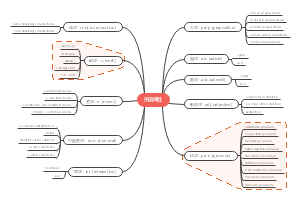
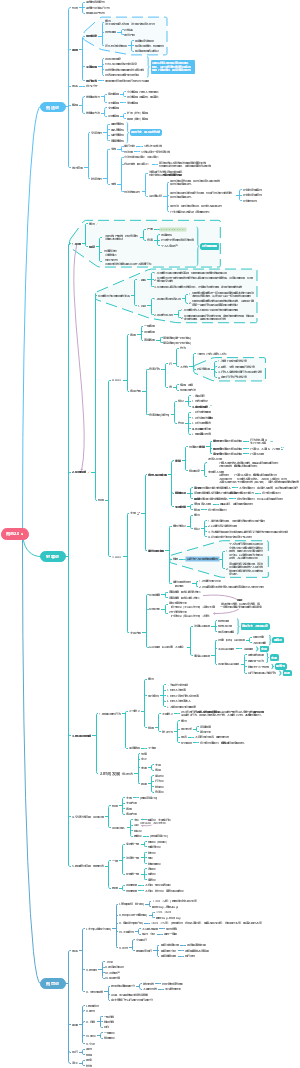
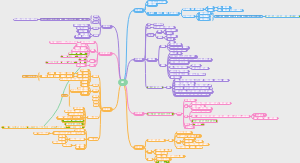
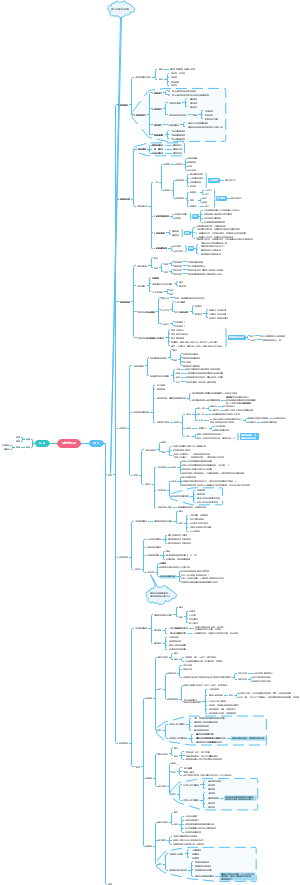
英文分子生物学绪论,The basis and history ofmolecular biology
提示: 本内容由社区用户上传并分享。平台不对内容的真实性、合法性、知识产权归属及是否侵害第三方权利进行事前审核或保证。本内容可能包含受版权保护的图片、字体或其他第三方素材,使用前请自行确认授权范围。
- 分子生物学绪论

- 高性价比人生指南第五条不要浪费钱
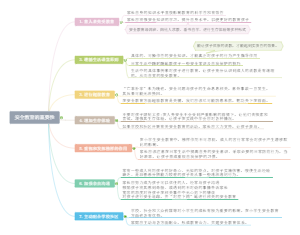
这是一篇关于《高性价比人生指南》思维导图,《高性价比人生指南》第五条“不要浪费钱”的核心,是帮你把“忘了在扣的钱”和“该拿没拿的钱”都找回来。作者给出的动作都很轻,但省下的都是实打实的现金。第一步是关掉所有自动续费,改为到期手动续。翻一遍支付宝、微信、苹果的扣款列表,大约二十分钟。高频在用的年付可以留,针对的是那些早就不用了、却还在每月扣的订阅。第二步是每年做一次个税汇算,专项附加扣除该填的填。年中换过工作、有子女教育或房贷房租没申报的,通常能退到钱,手机上十几分钟的事。还有一个很多人忽略的入口:公积金不只用于买房。租房、装修、交物业费都可以按规定提取,没必要让钱一直躺在账户里。操作层面,给话费宽带做一次“体检”,看实际用量决定是否降档;给打赏和游戏充值设上限,别靠意志力刹车。本条的底层逻辑不是“抠门”,而是消除信息差:你不需要降低生活质量,只需要知道哪些钱本就不该花、哪些权益本就没领。
- 高性价比人生指南第四条不要浪费时间
这张思维导图是《高性价比人生指南》的第四条,围绕目标规划、任务管理、习惯养成、生活取舍给出大量实操建议。在目标与任务管理上,建议把计划写清楚,写明几点、在哪、遇到什么就做什么;开工前提前写下退出条件,懂得及时止损;做抉择时忽略沉没成本,只评估未来的投入与回报;估算工期参考过往同类实际经验,将大任务拆解成子任务再开工;没有外部截止日期的事情,主动给自己设定完成期限。会议管理提倡精简会议,会前拟定议程,优先文字沟通,必要时站会,减少无效开会。针对拖延问题,要重新看待拖延,不要一味自我否定;可以借助认知行为自助材料改善严重拖延;培养新习惯建议按月坚持,而不是只盯着 21 天。生活层面,可以参考自己的时薪,酌情外包家务;对短视频无目的刷看设置硬性时间上限;减少被动刷新闻,集中搜集需要的资讯;花时间学习软件快捷键,提升日常操作效率;租房选房优先考虑通勤,尽量缩短单程通勤时长;物品摆放上把常用东西就近摆放,减少行动阻力。整套内容偏向落地可行的时间管理方法,帮助减少时间损耗,提升日常做事的效率。无论总是容易拖延内耗,还是希望优化日常时间规划都可以拿来参考。
- 高性价比人生指南
该思维导图从睡眠作息、工作专注力、情绪心理、思维认知多个维度给出生活建议。在专注力与作息睡眠方面,建议固定起床时间,保证每晚 7‑8 小时睡眠;下午两点之后尽量不再摄入咖啡因;工作时关闭非必要通知,集中处理消息,减少中途打断;睡前一小时远离电子屏幕;午后小憩控制在十分钟,不要久睡;每周工作时长不宜超过 49 小时,开放式办公可佩戴耳塞降低背景噪音干扰。心理思维层面,提醒警惕灾难化思维,不要反复纠结内耗糟心事,意识到内耗时主动动手做点别的事转移思绪;学会拒绝不合理请求,放下 “事情肯定会更糟” 的消极预判。情绪管理上,生气时先暂时离场,不要当场争执报复;情绪低落优先动起来、晒太阳、睡眠休息,必要时求助;生气时避免摔东西发泄,可以依靠正念、呼吸平复怒火;心里积压心事可以书写倾诉,但不要幻想写出来就能彻底治愈心结。认知上还提到不必总拿自己和别人对比,放下过度完美主义,很多时候并没有那么多人关注自己的失误,不要被情绪裹挟,分清事情的实际期限。整套内容意在减少无谓的精神消耗,保存自身精力。无论平时容易精神内耗,还是希望优化作息提升个人状态都可以参考这份指南。
绪论分子生物学
社区模板帮助中心,点此进入>>
- 高性价比人生指南第五条不要浪费钱
这是一篇关于《高性价比人生指南》思维导图,《高性价比人生指南》第五条“不要浪费钱”的核心,是帮你把“忘了在扣的钱”和“该拿没拿的钱”都找回来。作者给出的动作都很轻,但省下的都是实打实的现金。第一步是关掉所有自动续费,改为到期手动续。翻一遍支付宝、微信、苹果的扣款列表,大约二十分钟。高频在用的年付可以留,针对的是那些早就不用了、却还在每月扣的订阅。第二步是每年做一次个税汇算,专项附加扣除该填的填。年中换过工作、有子女教育或房贷房租没申报的,通常能退到钱,手机上十几分钟的事。还有一个很多人忽略的入口:公积金不只用于买房。租房、装修、交物业费都可以按规定提取,没必要让钱一直躺在账户里。操作层面,给话费宽带做一次“体检”,看实际用量决定是否降档;给打赏和游戏充值设上限,别靠意志力刹车。本条的底层逻辑不是“抠门”,而是消除信息差:你不需要降低生活质量,只需要知道哪些钱本就不该花、哪些权益本就没领。
- 高性价比人生指南第四条不要浪费时间
这张思维导图是《高性价比人生指南》的第四条,围绕目标规划、任务管理、习惯养成、生活取舍给出大量实操建议。在目标与任务管理上,建议把计划写清楚,写明几点、在哪、遇到什么就做什么;开工前提前写下退出条件,懂得及时止损;做抉择时忽略沉没成本,只评估未来的投入与回报;估算工期参考过往同类实际经验,将大任务拆解成子任务再开工;没有外部截止日期的事情,主动给自己设定完成期限。会议管理提倡精简会议,会前拟定议程,优先文字沟通,必要时站会,减少无效开会。针对拖延问题,要重新看待拖延,不要一味自我否定;可以借助认知行为自助材料改善严重拖延;培养新习惯建议按月坚持,而不是只盯着 21 天。生活层面,可以参考自己的时薪,酌情外包家务;对短视频无目的刷看设置硬性时间上限;减少被动刷新闻,集中搜集需要的资讯;花时间学习软件快捷键,提升日常操作效率;租房选房优先考虑通勤,尽量缩短单程通勤时长;物品摆放上把常用东西就近摆放,减少行动阻力。整套内容偏向落地可行的时间管理方法,帮助减少时间损耗,提升日常做事的效率。无论总是容易拖延内耗,还是希望优化日常时间规划都可以拿来参考。
- 高性价比人生指南
该思维导图从睡眠作息、工作专注力、情绪心理、思维认知多个维度给出生活建议。在专注力与作息睡眠方面,建议固定起床时间,保证每晚 7‑8 小时睡眠;下午两点之后尽量不再摄入咖啡因;工作时关闭非必要通知,集中处理消息,减少中途打断;睡前一小时远离电子屏幕;午后小憩控制在十分钟,不要久睡;每周工作时长不宜超过 49 小时,开放式办公可佩戴耳塞降低背景噪音干扰。心理思维层面,提醒警惕灾难化思维,不要反复纠结内耗糟心事,意识到内耗时主动动手做点别的事转移思绪;学会拒绝不合理请求,放下 “事情肯定会更糟” 的消极预判。情绪管理上,生气时先暂时离场,不要当场争执报复;情绪低落优先动起来、晒太阳、睡眠休息,必要时求助;生气时避免摔东西发泄,可以依靠正念、呼吸平复怒火;心里积压心事可以书写倾诉,但不要幻想写出来就能彻底治愈心结。认知上还提到不必总拿自己和别人对比,放下过度完美主义,很多时候并没有那么多人关注自己的失误,不要被情绪裹挟,分清事情的实际期限。整套内容意在减少无谓的精神消耗,保存自身精力。无论平时容易精神内耗,还是希望优化作息提升个人状态都可以参考这份指南。
- 相似推荐
- 大纲