导图社区 酶工程思维导图
- 966
- 26
- 8
- 举报
酶工程思维导图
酶工程又称蛋白质工程学,是指工业上有目的的设置一定的反应器和反应条件,利用酶的催化功能,在一定条件下催化化学反应,生产人类需要的产品或服务于其它目的的一门应用技术。本思维导图是对生物化学酶工程绪论——关于酶的相关知识归纳总结,赶快收藏学起来吧!
编辑于2021-04-06 16:31:36- 酶工程
- 相似推荐
- 大纲

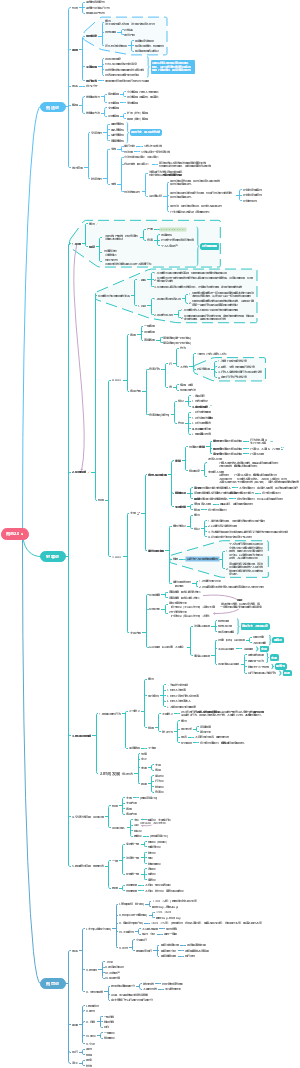
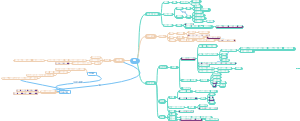
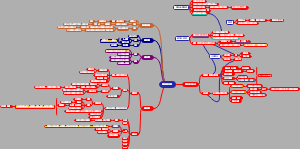
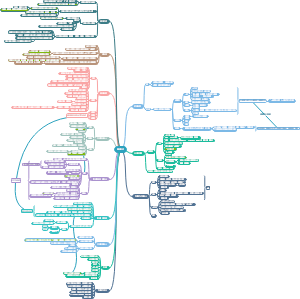
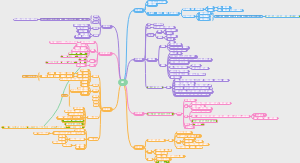
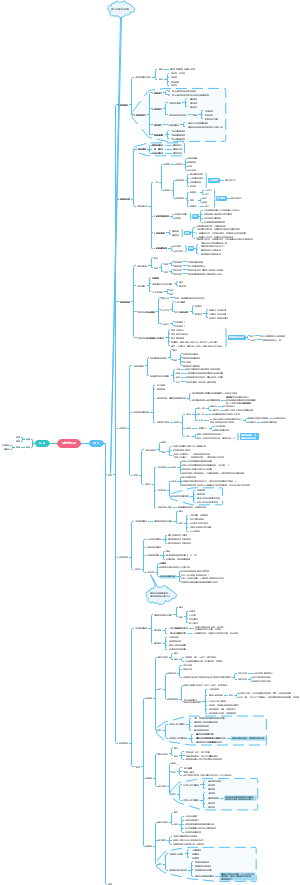
酶工程 Enzyme engineering
酶 enzyme
酶催化作用的特点 Characteristics of enzymatic catalysis
酶催化作用的专一性强 Enzyme catalysis is highly specific
绝对专一性 Absolute specificity
一种酶只能催化一种底物进行一种反应 An enzyme can catalyze only one reaction of one substrate
相对专一性 Relative specificity
一种酶能够催化一类结构相似的底物进行某种相同类型的反应 An enzyme can catalyze a class of structurally similar substrates to perform an identical type of reaction
键专一性 Key specificity
能够作用于具有相同化学键的一类底物 Can act on a class of substrates that have the same chemical bonds
基团专一性 Group specificity
要求底物含有某一相同的基团 The substrate is required to contain one of the same groups
酶催化作用的效率高 The efficiency of enzyme catalysis is high
酶的催化效率比非酶催化反应的效率高10∧7~10∧13 The catalytic efficiency of enzyme was 10∧7 ~ 10∧13 higher than that of non-enzyme catalyzed reaction
酶催化可以使反应所需的活化能显著降低 Enzymatic catalysis can significantly reduce the activation energy required for the reaction
酶催化作用的条件温和 The conditions of enzyme catalysis are mild
常温 The normal temperature
常压 Atmospheric pressure
pH近乎中性 PH is almost neutral
影响酶催化作用的因素 Factors affecting enzymatic catalysis
底物浓度的影响 The effect of substrate concentration
决定酶催化反应速度的主要因素 The main factors that determine the rate of enzyme-catalyzed reactions
米氏常数V=VmS/Km+S Michaelis constant V=VmS/Km+S
Km为酶催化反应速度等于最大反应速度一半时的底物浓度 KM is the substrate concentration when the enzyme-catalyzed reaction rate is equal to half of the maximum reaction rate
酶浓度的影响 The effect of enzyme concentration
在底物浓度足够高的条件下,酶催化反应速度与酶浓度成正比 Under the condition of high enough substrate concentration, the reaction rate of enzyme catalysis is proportional to the enzyme concentration
V=k[E] V=k[E]
温度的影响 Effect of temperature
每一种酶的催化反应都有其适宜温度范围和最适温度 The catalytic reaction of each enzyme has its suitable temperature range and optimum temperature
在适宜温度范围内,酶才能够进行催化反应 Only within the appropriate temperature range can the enzyme catalyze the reaction
在最适温度条件下,酶的催化反应速度达到最大 At the optimum temperature, the catalytic reaction rate of the enzyme reached the maximum
pH的影响 The influence of pH
每一种酶都有其各自的适宜pH范围和最适pH Each enzyme has its own pH range and optimum pH
只有在适宜pH范围内,酶才能显示其催化活性 Enzymes show their catalytic activity only in a suitable pH range
在最适pH条件下,酶催化反应速度达到最大 Under the optimum pH condition, the enzyme-catalyzed reaction rate reached the maximum
抑制剂的影响 Effect of inhibitors
能够使酶的催化活性降低或者丧失的物质称为酶的抑制剂 Substances that can reduce or lose the catalytic activity of enzymes are called enzyme inhibitors
不可逆抑制剂 Irreversible inhibitor
与酶分子结合后,抑制剂难以除去,酶活性不能恢复 After binding with enzyme molecules, the inhibitor was difficult to remove and the enzyme activity could not be recovered
可逆抑制剂 Reversible inhibitor
与酶的结合是可逆的,只要将抑制剂除去,酶活性即可恢复 Binding to the enzyme is reversible and the enzyme activity can be restored once the inhibitor is removed
竞争性抑制 Competitive inhibition
抑制剂和底物竞争与酶分子结合而引起的抑制作用 Inhibitory effect of an inhibitor competing with a substrate for binding to an enzyme molecule
非竞争性抑制 Noncompetitive inhibition
抑制剂与底物分别与酶分子上的不同位点结合,而引起酶活性降低的抑制作用 Inhibition in which an inhibitor and substrate bind to different sites on an enzyme molecule, respectively, causing a decrease in enzyme activity
反竞争性抑制 Anticompetitive inhibition
在底物与酶分子结合生成中间复合物后,抑制剂再与中间复合物结合而引起的抑制作用 Inhibitory effect caused by the binding of an inhibitor to an intermediate complex after the binding of a substrate to an enzyme molecule
激活剂的影响 The influence of activators
能够增加酶的催化活性或使酶的催化活性显示出来的物质 A substance that increases the catalytic activity of an enzyme or makes the catalytic activity of an enzyme manifest
酶的分类与命名 Classification and nomenclature of enzymes
酶的分类 The classification of the enzyme
蛋白类酶 Protein enzyme
氧化还原酶 oxidoreductase
催化氧化还原反应的酶 An enzyme that catalyzes REDOX reactions
转移酶 transferase
催化某基团从供体化合物转移到受体化合物上的酶 An enzyme that catalyzes the transfer of a group from a donor compound to a receptor compound
水解酶 Hydrolytic enzymes
催化各种化合物进行时间反应的酶 An enzyme that catalyzes the time reaction of various compounds
裂合酶 lyase
催化一个化合物裂解成为两个较小的化合物及其逆反应的酶 An enzyme that catalyzes the splitting of a compound into two smaller compounds and their reverse reaction
异构酶 isomerase
催化分子内部基团位置或构象的转移的酶 An enzyme that catalyzes the transfer of position or conformation of groups within a molecule
连接酶或合成酶 Ligase or synthase
连接酶是伴随着ATP等核苷三磷酸的水解,催化两个分子进行连接反应的酶 Ligase is an enzyme that catalyzes the linking reaction of two molecules with the hydrolysis of ATP and other nucleoside triphosphate
核酸类酶 Nucleic acid kind of enzyme
分子内催化R酶 The intramolecularly catalyzed R-enzyme
自我剪切酶 Self cleavage enzyme
催化本身RNA进行剪切反应的R酶 An R enzyme that catalyzes the splicing reaction of its own RNA
自我剪接酶 Self splicing enzyme
在一定条件下催化本身RNA分子同时进行剪切和连接反应的R酶 Under certain conditions, the R enzyme catalyzes the simultaneous splicing and binding reactions of its own RNA molecules
分子间催化R酶 Intermolecular catalytic R-enzyme
RNA剪切酶 RNA Shear enzyme
催化其他RNA分子进行剪切反应的核酸类酶 Nuclease that catalyzes the shear reactions of other RNA molecules
DNA剪切酶 DNA Shear enzyme
催化DNA分子进行剪切反应的R酶 R enzyme that catalyzes the splicing reaction of DNA molecules
多肽剪接酶 Polypeptide splicing enzyme
催化多肽进行剪切反应的核酸类酶 Nuclease that catalyzes the shear reaction of polypeptides
多糖剪切酶 Polysaccharide cleavage enzyme
催化多糖分子进行剪切和连接反应的核酸类酶 Nuclease that catalyzes the splicing and binding reactions of polysaccharide molecules
氨基酸酯剪切酶 Amino acid ester cleavase
催化氨基酸酯进行剪切反应的核酸类酶 Nuclease that catalyzes the shear reaction of amino acid esters
多功能酶 Multifunctional enzyme
催化其他分子进行多种反应的核酸类酶 Nuclease that catalyzes various reactions of other molecules
酶的命名 The naming of enzyme
推荐名 Recommend a
系统命名法 Systematic nomenclature
酶的活力测定 Enzyme activity determination
酶活力测定方法 Methods for determination of enzyme activity
测定要求 Determination of requirements
快速 fast
简便 simple
准确 accurate
测定方法 Determination method
化学测定法 Chemical assay
光学测定法 Optical determination
气体测定法 gasimetry
测定步骤 The determination of steps
选择合适的底物 Choose the right substrate
选择合适的反应条件,pH、温度、底物、激活剂的浓度 Choose appropriate reaction conditions, pH, temperature, substrate, activator concentration
在一定的条件下将酶和底物混合均匀 The enzyme and substrate are mixed uniformly under certain conditions
一定时间后取出一定反应液检测底物减少量或底物生成量 After a certain amount of time, a certain reaction solution was taken out to detect the amount of substrate reduction or substrate production
酶活力单位 Enzyme activity unit
在特定条件下(温度可采用25℃,pH等条件均采用最适条件),每1min催化1μmol的底物转化为产物的酶量定义为1个酶活力单位, 这个单位称为国际单位(IU) Under specific conditions (25℃ for temperature,pH and other optimal conditions), the amount of enzyme that catalyzes the conversion of 1μmol of substrate to product per 1min is defined as one unit of enzyme activity, which is called international unit (IU).
在特定条件下,每秒催化1mol底物转化为产物的酶量定义为1卡特(kat) The amount of enzyme that catalyzes 1 mole of substrate to product per second under certain conditions is defined as 1 kat.
酶的比活力是酶纯度的一个指标,是指在特定条件下,单位重量(mg)蛋白质或RNA所具有的酶活力单位数。酶比活力= 酶活力(单位)/mg(蛋白质或RNA) The specific activity of an enzyme is an index of enzyme purity, which refers to the number of enzyme activity units per unit weight (mg) of a protein or RNA under specific conditions. Enzyme specific activity = enzyme activity (unit)/mg(protein or RNA)
酶的转换数与催化周期 Conversion number and catalytic cycle of enzymes
酶的转换数Kcat,又称为摩尔催化活性,是指每个酶分子每分钟催化底物转化的分子数 The conversion number of enzyme Kcat, also known as molar catalytic activity, refers to the number of molecules per minute of substrate conversion catalyzed by each enzyme molecule
酶转换数的倒数称为酶的催化周期。催化周期是指酶进行一次催化所需的时间,单位为毫秒(ms)或微秒(μs) The reciprocal of the enzyme conversion number is called the catalytic cycle of the enzyme.Catalytic cycle is the time required for an enzyme to perform a single catalysis, measured in milliseconds (ms) or microseconds (μs)
固定化酶的活力测定 Determination of immobilized enzyme activity
测定方法 Determination method
振荡测定法 Oscillation method
酶柱测定法 Enzyme column assay
连续测定法 Continuous method
固定化酶的比活力测定 Determination of specific activity of immobilized enzyme
酶结合效率与酶活力回收率的测定 Determination of enzyme binding efficiency and enzyme activity recovery
相对酶活力的测定 Determination of relative enzyme activity
酶的生产方法 Enzyme production method
提取与分离纯化 Extraction and purification
细胞破碎 Cells are broken
机械破碎法 Mechanical crushing
捣碎法 Mashing method
研磨法 Grinding method
匀浆法 Slurry method
物理破碎法 Physical crushing method
温度差破碎法 Temperature difference crushing method
压力差破碎法 Differential pressure crushing
超声波破碎法 Ultrasonic crushing
化学破碎法 Chemical crushing
酶促破碎法 Enzymatic crushing
提取 extract
提取的方法 Method of extraction
盐溶液提取 Salt solution extraction
酸溶液提取 Acid solution extraction
碱溶液提取 Alkali extraction
有机溶剂提取 Organic solvent extraction
影响提取的主要因素 The main factors affecting extraction
温度 The temperature
pH
提取液的体积 The volume of the extract
沉淀分离 The precipitation separation
盐析沉淀法 Salting-out precipitation method
等电点沉淀法 Isoelectric point precipitation
有机溶剂沉淀法 Organic solvent precipitation
复合沉淀法 Compound precipitation process
选择性变性沉淀法 Selective denatured precipitation
离心分离 Centrifugal separation
离心机的选择 Selection of centrifuges
常速离心机 Constant speed centrifuge
高速离心机 High speed centrifuge
超速离心机 Overspeed centrifuge
离心方法的选用 Selection of centrifugal method
差速离心 Differential centrifugation
密度梯度离心 Density gradient centrifugation
等密梯度离心 Isodense gradient centrifugation
离心条件的确定 Determination of centrifugal conditions
离心力 Centrifugal force
离心时间 Centrifugal time
温度和pH Temperature and pH
过滤与膜分离 Filtration and membrane separation
非膜过滤 The membrane filtration
粗滤 The coarse filter
常压过滤 Atmospheric pressure filter
加压过滤 Pressure filtration
减压过滤 Vacuum filter
微滤 microfiltration
微孔过滤 Microporous filter
膜分离技术 Membrane separation technology
加压膜分离 Pressure membrane separation
微滤 microfiltration
超滤 ultrafiltration
反渗透 Reverse osmosis
电场膜分离 Field membrane separation
电渗析 electrodialysis
离子交换膜电渗析 Ion exchange membrane electrodialysis
扩散膜分离 Diffusion membrane separation
层析分离 Chromatographic separation
吸附层析 Adsorption chromatography
原理 The principle of
利用吸附剂对不同物质的吸附力不同而使混合物中各组分分离的层析方法 A method of separating the components of a mixture by using different adsorbents to adsorb different substances
洗脱方法 Elution method
溶剂洗脱法 Solvent elution
置换洗脱法 Replacement elution
前缘洗脱法 Leading edge elution
分配层析 Distribution of chromatography
纸上层析 The paper upper analysis
薄层层析 Thin-layer chromatography
离子交换层析 Ion exchange chromatography
操作过程 The operation process
装柱 Packing column
上柱 On the column
洗脱和收集 Elution and collection
再生 regeneration
凝胶层析 Gel chromatography
原理 The principle of
以各种多孔凝胶为固定相,利用流动相中所含各种组份的相对分子质量不同而达到物质分离的一种层析技术 A chromatography technique in which a variety of porous gels are used as stationary phases and the relative molecular weights of the various components contained in the mobile phase are different to achieve material separation
凝胶的种类 Types of Gelatin
葡聚糖凝胶 Dextran gel
琼脂凝胶与琼脂糖凝胶 Agar gels and agarose gels
聚丙烯酰胺凝胶 Polyacrylamide gel
操作过程 The operation process
装柱 Packing column
上柱 On the column
洗脱 des
亲和层析 Affinity chromatography
分子对亲和层析 Molecular affinity chromatography
免疫亲和层析 Immunoaffinity chromatography
共价亲和层析 Covalent affinity chromatography
疏水层析 Thin layer chromatography
金属离子亲和层析 Metal ion affinity chromatography
染料亲和层析 Dye affinity chromatography
凝集素亲和层析 Lectin affinity chromatography
层析聚焦 Tomographic focus
离子交换器和缓冲液体系 Ion exchanger and buffer liquid system
多缓冲离子交换剂 Multi-buffer ion exchanger
多缓冲溶液 Multibuffer solution
pH梯度的形成 Formation of pH gradients
操作过程 The operation process
多缓冲离子交换器和多缓冲溶液选择 Multi-buffer ion exchanger and multi-buffer solution selection
形成pH梯度 Create a pH gradient
上柱聚焦 Focusing on the column
洗脱 des
再生 regeneration
电泳分离 Electrophoretic separation
纸电泳 Paper electrophoresis
以滤纸为支持体的电泳技术
薄层电泳 Thin-layer electrophoresis
将支持体育缓冲液调制成适当厚度的薄层而进行电泳的技术 An electrophoresis technique in which a supporting sports buffer is prepared into a thin layer of appropriate thickness
薄膜电泳 Membrane electrophoresis
以醋酸纤维等高分子物质制成的薄膜为支持体的电泳技术 Electrophoresis technology using thin films made of polymer materials such as acetate fiber as support
凝胶电泳 Gel electrophoresis
聚丙烯酰胺凝胶的制备 Preparation of polyacrylamide gel
聚丙烯酰胺凝胶电泳的分类 Classification of polyacrylamide gel electrophoresis
连续凝胶电泳 Continuous gel electrophoresis
不连续凝胶电泳 Discontinuous gel electrophoresis
梯度凝胶电泳 Gradient gel electrophoresis
SDS-凝胶电泳 SDS-Gel electrophoresis
等电点聚焦电泳 Isoelectric point focusing electrophoresis
两性电解质载体 Amphoteric electrolyte carrier
稳定pH梯度的形成 Stable pH gradient formation
支持pH梯度的介质 A medium that supports a pH gradient
聚焦电泳的操作过程 Focused electrophoresis operation
pH梯度支持介质的制备 The pH gradient supports the preparation of the medium
电泳 electrophoresis
分离组分的检测 Detection of separated components
萃取分离 Extraction separation
有机溶剂萃取 Organic solvent extraction
双水相萃取 Two-phase aqueous extraction
双水相的形成 The formation of two aqueous phases
影响物质分配的因素 Factors affecting the distribution of substances
两相的组成 The composition of two phases
高分子聚合物的分子质量、浓度、极性等 The molecular weight, concentration, polarity, etc of a polymer
两相溶液的比例 The ratio of two phase solutions
酶的分子质量、电荷、极性等 Molecular weight, charge, polarity, etc
温度、pH等 Temperature, pH, etc
超临界萃取 Supercritical extraction
等压分离 Such as pressure separation
等温分离 Isothermal separation
吸附分离 Adsorption separation
反胶束萃取 Reverse micelle extraction
结晶 The crystallization
盐析结晶法 Salting out crystallization
有机溶剂结晶法 Organic solvent crystallization method
透析平衡结晶法 Dialysis equilibrium crystallization method
等电点结晶法 Isoelectric point crystallization
浓缩 enrichment
蒸发浓缩 Evaporation concentration
干燥 dry
真空干燥 Vacuum drying
冷冻干燥 Freeze drying
喷雾干燥 Spray drying
气流干燥 Air drying
吸附干燥 Adsorption drying
生物合成法 Biosynthetic method
微生物发酵产酶 Microorganisms ferment to produce enzymes
微生物细胞中酶生物合成的调节 Regulation of enzyme biosynthesis in microbial cells
酶生物合成的基本过程 The basic process of enzyme biosynthesis
RNA的生物合成——转录 Biosynthesis of RNA -- transcription
转录的起始 Initiation of transcription
全酶的形成 The formation of holoenzyme
酶与模板结合 The enzyme binds to the template
酶与启动基因结合 The enzyme binds to the promoter gene
模板DNA局部变性 Local degeneration of template DNA
转录开始 Transcription start
RNA链的延伸 The extension of the RNA strand
RNA链合成的终止 Termination of RNA strand synthesis
RNA前体的加工 Processing of RNA precursors
蛋白质的生物合成——翻译 Protein biosynthesis - translation
氨基酸活化生成氨酰-tRNA Amino acids are activated to form aminoyl-tRNA
肽链合成的起始 Initiation of peptide chain synthesis
肽链的延伸 Elongation of the peptide chain
肽链合成的终止 Termination of synthesis of a peptide chain
蛋白质前体的加工 Processing of protein precursors
酶生物合成的调节 Regulation of enzyme biosynthesis
分解代谢物阻遏作用 Catabolic metabolite repression
指某些物质(主要是指葡萄糖和其他容易利用的碳源等)经过分解代谢产生的物质阻遏某些酶(主要是诱导酶)生物合成的现象 Catabolism of substances (mainly glucose and other readily available carbon sources, etc.) that inhibit the biosynthesis of enzymes (mainly inducers)
酶生物合成的诱导作用 Induction of enzyme biosynthesis
加入某些物质使酶的生物合成开始或加速进行的现象 The initiation or acceleration of enzyme biosynthesis by the addition of a substance
酶生物合成的反馈阻遏作用 Feedback repression of enzyme biosynthesis
指酶催化反应的产物或代谢途径的末端产物使该酶的生物合成受到阻遏的现象 The inhibition of biosynthesis by the product of an enzyme-catalyzed reaction or the end product of a metabolic pathway.
酶生物合成的模式 Models of enzymatic biosynthesis
同步合成型或生长偶联型 Synthetic or growth coupling
酶的生物合成与细胞生长同步进行的一种酶生物合成模式 Enzyme biosynthesis A pattern of enzyme biosynthesis that occurs simultaneously with cell growth
延续合成型 Continuous synthesis
酶的生物合成在细胞的生长阶段开始,在细胞生长进入平衡期后酶还可以延续合成一段较长时间的一种酶生物合成模式 Enzyme biosynthesis A pattern of enzyme biosynthesis that begins at the growth stage of a cell and continues for a longer period of time after cell growth enters the equilibrium phase
中期合成型 Intermediate synthesis
酶在细胞生长一段时间以后才开始,而在细胞生长进入平衡期以后,酶的生物合成也随之停止 Enzymes do not begin until some time after cell growth, and their biosynthesis stops when cell growth reaches equilibrium
滞后合成型或非生长偶联型 Hysteresis synthetical or non-growth coupling
在细胞生长一段时间或者进入平衡期以后才开始其生物合成并大量积累 Biosynthesis and accumulation begin after a period of cell growth or after the cell enters equilibrium
产酶微生物 Enzyme-producing microorganism
产酶微生物的特点 Characteristics of enzyme-producing microorganisms
酶的产量高 High production of enzymes
容易培养和管理 Easy to cultivate and manage
产酶稳定性好 The stability of enzyme production is good
利于酶的分离纯化 Beneficial to the separation and purification of enzyme
安全可靠,无毒性 Safe and reliable, non-toxic
产酶微生物的菌株 Strains of enzyme-producing microorganisms
细菌 bacteria
大肠杆菌 E. coli
枯草杆菌 Bacillus subtilis
放线菌 actinomycetes
链霉菌 Streptomyces
霉菌 mold
黑曲霉 Aspergillus Niger
米曲霉 Aspergillus oryzae
红曲霉 monascus
青霉 penicillium
木霉 Trichoderma viride
根霉 rhizopus
毛霉 Hair mould
酵母 yeast
啤酒酵母 Beer yeast
假丝酵母 candida
发酵工艺条件及其控制 Fermentation process conditions and their control
细胞活化与扩大培养 Cell activation and expansion culture
保藏的菌种在用于发酵生产之前,必须接种于新鲜的固体培养基上,在一定的条件下进行培养,使细胞的生命活性得以恢复,这个过程称为细胞活化 Before the preserved strains are used in fermentation production, they must be inoculated on fresh solid medium and cultured under certain conditions, so that the life activity of cells can be restored. This process is called cell activation
扩大培养的时间一般以培养到细胞对数生长期为宜 The time of expanded culture is generally appropriate to the logarithmic growth stage of cells
培养基的配制 Preparation of medium
培养基的基本组分 An essential component of a culture medium
碳源 Carbon source
氮源 Nitrogen source
无机盐 Inorganic salt
生长因子 Growth factor
微生物发酵产酶常用的几种发酵培养基 Any of several fermentation media commonly used for the production of enzymes by microbial fermentation
枯草杆菌BF7658α-淀粉酶发酵培养基 Bacillus subtilis BF7658 α-amylase fermentation medium
枯草杆菌AS1.398中性蛋白酶发酵培养基 Fermentation medium for Bacillus subtilis AS1.398 with neutral protease
黑曲霉糖化酶发酵培养基 Aspergillus Niger saccharification enzyme fermentation medium
地衣芽胞杆菌2709碱性蛋白酶发酵培养基 Bacillus licheniformis 2709 alkaline protease fermentation medium
黑曲霉AS3.350酸性蛋白酶发酵培养基 Aspergillus Niger AS3.350 acid protease fermentation medium
游动放线菌葡萄糖异构酶发酵培养基 Culture medium for glucose isomerase fermentation of Zooming Actinomycetes
橘青霉磷酸二酯酶发酵培养基 Phosphodiesterase fermentation medium of Penicillium cerevisiae
黑曲霉AS3.396果胶酶发酵培养基 Aspergillus Niger AS3.396 pectinase fermentation medium
枯草杆菌AS1.398碱性磷酸酶发酵培养基 Subtilis AS1.398 alkaline phosphatase fermentation medium
pH的调节控制 Adjusting control of pH
一般细菌和放线菌的生长最适pH在中性或碱性范围(pH6.5~8.0) The optimum pH for the growth of common bacteria and actinomycetes is in the neutral or alkaline range (pH6.5 to 8.0).
霉菌和酵母的最适生长pH为偏酸性(pH4~6) The optimum growth pH for molds and yeasts is acidic (pH4 ~ 6).
植物细胞生长的最适pH为5~6 The optimum pH for plant cell growth is 5-6
温度的调节控制 Temperature regulation control
枯草杆菌的最适生长温度为34~37℃ The optimum growth temperature of Bacillus subtilis was 34~37℃
黑曲霉的最适生长温度为28~32℃ The optimum growth temperature of Aspergillus Niger was 28~32℃
溶解氧的调节控制 Regulatory control of dissolved oxygen
根据细胞对溶解氧的需要量,连续不断的进行补充,使培养基中溶解氧的量保持恒定 The amount of dissolved oxygen in the medium is kept constant by continuous replenishment according to the amount of dissolved oxygen needed by the cells.
调节溶解氧的方法 Method for regulating dissolved oxygen
调节通气量 Adjust ventilation
调节氧的分压 Adjust the partial pressure of oxygen
调节气液接触时间 Adjust the gas-liquid contact time
调节气液接触面积 Adjust the gas-liquid contact area
改变培养液的性质 Change the properties of the medium
提高酶产量的措施 Measures to improve the yield of enzymes
添加诱导物 Addition inducer
酶的作用底物 Substrate of action of enzyme
酶的反应产物 Reaction products of enzymes
酶作用底物的类似物 Analogue of an enzyme substrate
控制阻遏物的浓度 Control the concentration of repressors
添加表面活性剂 Add Surfactant
离子型 ionic
阳离子型 cationic
阴离子型 anionic
两性离子型 Amphoteric type
非离子型 nonionic
吐温 twain
特里顿 Terry,
添加产酶促进剂 Addition of enzyme-producing promoters
酶发酵动力学 Enzymatic fermentation kinetics
细胞生长动力学 Cell growth kinetics
产酶动力学 Kinetics of enzyme production
基质消耗动力学 Matrix consumption kinetics
固定化微生物细胞发酵产酶 Immobilized microbial cells ferment to produce enzymes
特点 The characteristics of
提高产酶率 Increase the rate of enzyme production
可以反复使用或连续使用较长时间 Can be used repeatedly or continuously for a long time
基因工程菌的质粒稳定,不易丢失 The plasmid of genetically engineered bacteria is stable and not easy to be lost
发酵稳定性好 Good stability of fermentation
缩短发酵周期,提高设备利用率 Shorten fermentation cycle and improve equipment utilization rate
产品容易分离纯化 The product is easy to separate and purify
适用于胞外酶等胞外产物的生产 It is suitable for the production of extracellular products such as extracellular enzymes
工艺条件及其控制 Process conditions and their control
固定化细胞的预培养 Pre-culture of immobilized cells
溶解氧的供给 The supply of dissolved oxygen
温度的控制 Temperature control
培养基组分的控制 Control of medium components
固定化细胞生长和产酶动力学 Kinetics of immobilized cell growth and enzyme production
固定化细胞生长动力学 Dynamics of immobilized cell growth
固定化细胞产酶动力学 Kinetics of enzyme production in immobilized cells
固定化细胞连续产酶动力学 Kinetics of continuous enzyme production in immobilized cells
固定化微生物原生质体发酵产酶 Immobilized microbial protoplasts were fermented to produce enzymes
特点 The characteristics of
变胞内产物为胞外产物 The metamorphic intracellular products are the extracellular products
提高酶产率 Improve the yield of enzyme
稳定性较好 Good stability
易于分离纯化 Easy to isolate and purify
工艺条件及其控制 Process conditions and their control
渗透压的控制 Control of osmotic pressure
防止细胞壁再生 Prevent cell wall regeneration
保证原生质体的浓度 Ensure the concentration of protoplasts
动植物细胞培养产酶 Plant and animal cell culture to produce enzymes
动植物细胞中酶生物合成的调节 Regulation of enzyme biosynthesis in animal and plant cells
细胞分化改变酶的生物合成 Cell differentiation alters enzyme biosynthesis
基因扩增加速酶的生物合成 Gene amplification accelerates the biosynthesis of enzymes
增强子促进酶的生物合成 Enhancers promote enzyme biosynthesis
抗原诱导抗体酶的生物合成 Antigen-induced biosynthesis of antibody enzymes
半抗原诱导法 Hapten induction
酶蛋白诱导法 Enzyme protein induction method
植物细胞培养产酶 Plant cell culture produces enzymes
特点 The characteristics of
提高产率 Improve the production rate
缩短周期 Shorten the cycle
易于管理,减轻劳动强度 Easy to manage and reduce labor intensity
提高产品质量 Improve product quality
工艺条件及其控制 Process conditions and their control
工艺流程 The process flow
外植体的选择与处理 Selection and treatment of explants
植物细胞的获取 The acquisition of plant cells
直接分离法 Direct separation
愈伤组织的诱导法 Induction of callus
原生质体再生法 Protoplast regeneration
细胞悬浮培养 Cell suspension culture
分离纯化 Separation and purification
植物细胞培养的培养基 A medium for plant cell culture
特点 The characteristics of
植物细胞的生长和代谢需要大量的无机盐 The growth and metabolism of plant cells require large amounts of inorganic salts
植物细胞需要多种维生素和植物生长激素 Plant cells need a variety of vitamins and plant growth hormones
植物细胞要求的氮源一般为无机氮源 The nitrogen source required by plant cells is generally inorganic nitrogen source
植物植物胞一般以蔗糖为碳源 Plant cells generally use sucrose as their carbon source
几种常用的植物细胞培养基 Several commonly used plant cell media
MS培养基 MS culture medium
B5培养基 B5 medium
White培养基 White culture medium
KM-8P培养基 KM-8P culture medium
植物细胞培养基的配制 Preparation of plant cell medium
大量元素母液 Large quantities of elemental mother liquor
微量元素母液 Mother liquor of trace elements
铁盐母液 Iron mother liquor
维生素母液 Vitamin mother liquor
植物激素母液 Plant hormone mother liquor
2,4-D母液 2,4-D mother liquor
IAA母液 IAA mother liquor
NAA母液 NAA mother liquor
KT母液 KT mother liquor
玉米素母液 Mother liquor of zein
温度的控制 Temperature control
植物细胞培养的温度一般控制在室温范围(25℃左右) The temperature of plant cell culture is generally controlled at room temperature (about 25℃).
pH的控制 The control of the pH
植物细胞的pH一般控制在微酸性范围,即Ph5.0~6.0 The pH of plant cells is generally controlled in a slightly acidic range, i.e., pH 5.0~6.0
溶解氧的调节控制 Regulatory control of dissolved oxygen
溶解氧一般通过通风和搅拌来供给 Dissolved oxygen is usually supplied by ventilation and agitation
光照的控制 Control of light
光照对植物细胞培养有重要影响 Light has an important effect on plant cell culture
前体的添加 The addition of precursors
全体是指处于目的代谢物代谢途径上游的物质 Whole refers to the material upstream of the metabolic pathway of the target metabolite
刺激剂的应用 The use of stimulants
可以促使植物细胞中的物质代谢朝着生成某些次级代谢物的方向进行。从而强化次级代谢物的生物合成,提高某些次级代谢物的产率 It can promote the metabolism of substances in plant cells towards the direction of generating some secondary metabolites.Thus, the biosynthesis of secondary metabolites can be enhanced and the yield of some secondary metabolites can be improved
工艺过程 The technological process
大蒜愈伤组织的诱导 Callus induction in garlic
大蒜细胞悬浮培养 Suspension Culture of Garlic Cells
超氧化物歧化酶的分离纯化 Separation and purification of superoxide dismutase
动物细胞培养产酶 Animal cell culture produces enzymes
培养方式 Cultivating way
悬浮培养 Suspension culture
贴壁培养 Attached training
固定化细胞培养 Immobilized cell culture
工艺条件及其控制 Process conditions and their control
动物细胞培养基的组成成分 The components of animal cell culture media
氨基酸 Amino acids,
维生素 vitamin
无机盐 Inorganic salt
葡萄糖 glucose
激素 hormone
生长因子 Growth factor
温度的控制 Temperature control
一般控制在36.5℃,温度允许波动范围在0.25℃之内 Generally controlled at 36.5℃, temperature allowed to fluctuate within the range of 0.25℃
pH的控制 The control of the pH
一般控制在pH7.0~7.6的微碱性范围内,通常动物细胞在pH7.4的条件下生长得最好 It is generally controlled in the slightly alkaline range of pH7.0~7.6, and animal cells usually grow best at pH7.4
渗透压的控制 Control of osmotic pressure
一般控制在700~800kPa范围内 Osmotic pressure is generally controlled in the range of 700~800kPa
溶解氧的控制 Control of dissolved oxygen
供氧不足时,细胞生长受到抑制,供氧过量时,也会对细胞产生毒害 When oxygen supply is insufficient, cell growth is inhibited, and when oxygen supply is excessive, it will also produce toxicity to cells
工艺过程 The technological process
人黑色素瘤细胞培养基 Human melanoma cell culture medium
人黑色素瘤细胞培养 Human melanoma cell culture
组织纤溶酶原活化剂的分离纯化 Isolation and purification of tissue plasminogen activator
化学合成法 chemosynthesis
酶的应用 The application of enzyme
酶在医药方面的应用 Application of enzymes in medicine
酶在疾病诊断方面的应用 Application of enzymes in disease diagnosis
根据体内酶活性的变化诊断疾病 Diagnosis of diseases based on changes in enzyme activity in the body
酸性磷酸酶 Acid phosphatase
碱性磷酸酶 Alkaline phosphatase
转氨酶 transaminase
乳酸脱氢酶 Lactate dehydrogenase
乳酸脱氢酶同工酶 Lactate dehydrogenase isoenzyme
葡萄糖磷酸异构酶 Glucose phosphate isomerase
胆碱酯酶 cholinesterase
端粒酶 telomerase
用酶测定体液中某些物质的变化诊断疾病 Using enzymes to detect changes in certain substances in body fluids to diagnose diseases
利用葡萄糖氧化酶检测葡萄糖的含量,进行糖尿病诊断 The glucose oxidase was used to detect the content of glucose and diagnose diabetes mellitus
利用葡萄糖氧化酶和过氧化物酶的联合作用检测葡萄糖的含量,诊断糖尿病 Using the combined action of glucose oxidase and peroxidase to detect the content of glucose and diagnose diabetes
利用尿素酶测定尿素含量,从而诊断肝脏、肾脏病变 Urease was used to measure urea content and diagnose liver and kidney diseases
利用胆固醇氧化酶测定血液中胆固醇的含量,从而诊断高血脂症等疾病 Using cholesterol oxidase to determine the content of cholesterol in blood to diagnose hyperlipidemia and other diseases
利用谷氨酰氨酶测定脑脊液中谷氨酰氨含量,进行肝硬化、肝昏迷的诊断 The content of glutamine in cerebrospinal fluid was determined by glutaminase to diagnose liver cirrhosis and coma
利用DNA聚合酶检测基因是否正常,进行基因诊断,检测癌基因 DNA polymerase is used to detect whether the gene is normal, genetic diagnosis, and detection of oncogene
利用酶标免疫检测法测定抗体或者抗原 Determination of antibodies or antigens by enzyme-labeled immunoassay
酶在疾病预防和治疗方面的应用 Application of enzymes in disease prevention and treatment
蛋白酶 protease
α-淀粉酶 Alpha amylase
脂肪酶 lipase
溶菌酶 lysozyme
超氧化物歧化酶 Superoxide dismutase
L-天冬酰胺酶 L-asparaginase
尿激酶 urokinase
纳豆激酶 Natto kinase
豆豉纤溶酶 Fibrinolytic enzyme in black bean sauce
凝血酶 thrombin
组织纤溶酶原激活剂 Tissue plasminogen activator
乳糖酶 lactase
核酸类酶 Nucleic acid kind of enzyme
酶在药物制造方面的应用 Application of enzymes in drug manufacture
青霉素酰化酶制造半合成抗生素 Penicillin acylase makes semisynthetic antibiotics
β-酪氨酸酶制造多巴 β-tyrosinase makes dopamine
核苷磷酸化酶制造阿糖腺苷 Nucleoside phosphorylase produces arabidosine
无色杆菌蛋白酶制造人胰岛素 Acromatic bacilase produces human insulin
多核苷酸磷酸化酶生产聚肌胞 Polymyocytosis is produced by multinucleotide phosphorylase
β-D-葡萄糖苷酶制造抗肿瘤人参皂苷 β-D-glucosidase produces anti-tumor ginsenosides
酶在食品方面的应用 Application of enzymes in food
酶在食品保鲜方面的应用 Application of enzymes in food preservation
食品除氧保鲜 Food is deoxygenated and kept fresh
蛋类制品脱糖保鲜 Egg products are kept fresh by sugar removal
食品灭菌保鲜 Sterilization and preservation of food
酶在食品生产方面的应用 Application of enzymes in food production
酶在淀粉类食品生产方面的应用 Application of enzyme in starch food production
葡萄糖的生产 Glucose production
果葡糖浆的生产 Production of high fructose corn syrup
饴糖、麦芽糖的生产 Production of caramel and maltose
糊精、麦芽糊精的生产 Production of dextrin and maltodextrin
环状糊精的生产 Production of cyclodextrin
酶在蛋白质类食品生产方面的应用 Application of enzymes in the production of protein foods
水解蛋白的生产 Production of hydrolyzed protein
氨基酸的生产 Production of amino acids
明胶的生产 Gelatin production
干酪的生产 The production of cheese
低乳糖奶的生产 Low lactose milk production
酶在果蔬类食品生产方面的应用 Application of enzymes in the production of fruits and vegetables
柑橘制品去除苦味 Citrus products remove bitterness
柑橘罐头防止白色混浊 Canned citrus prevents white opacity
果蔬制品的脱色 Decolorization of fruit and vegetable products
酶在果汁生产中的应用 Application of enzyme in fruit juice production
酶在果酒生产中的应用 Application of enzyme in fruit wine production
酶在食品添加剂生产方面的应用 Application of enzymes in the production of food additives
酶在酸味剂生产中的应用 The application of enzyme in the production of sour agent
采用乳酸脱氢酶,催化丙酮酸还原为乳酸 The reduction of pyruvate into lactic acid was catalyzed by lactate dehydrogenase
采用2-卤代酸脱卤酶,催化2-氯丙酸水解生成乳酸 The hydrolysis of 2- chlorpropionic acid to lactic acid was catalyzed by 2- halogenated acid dehalogenase
采用延胡索酸酶催化反丁烯二酸水合,生成苹果酸 Malic acid was synthesized from fumaric acid by fumaric acid catalyzed by fumaric acid
酶在食品增味剂生产中的应用 Application of enzyme in the production of food flavor enhancer
L-氨基酸的酶法生产 Enzymatic production of L-amino acids
呈味核苷酸的酶法生产 Enzymatic production of flavor nucleotides
酶在甜味剂生产中的应用 Application of enzymes in the production of sweeteners
嗜热菌蛋白酶催化天冬氨酸和苯丙氨酸反应生成天苯肽 Thermophilic protease catalyzes the reaction of aspartic acid with phenylalanine to produce phenylpeptides
葡萄糖基转移酶生产帕拉金糖 Glucosyltransferase produces paraginose
果聚糖蔗糖酶生产低聚果糖 Fructose oligosaccharides are produced by fructan sucrase
β-葡萄糖醛酸苷酶生产单葡萄糖醛酸基甘草皂苷 The production of monoglucuronidase glycyrrhiza saponins by β-glucuronidase
酶在乳化剂生产中的应用 Application of enzyme in emulsifier production
改善食品的品质和风味 Improve the quality and flavor of food
酶在轻工、化工方面的应用 Application of enzymes in light industry and chemical industry
酶在原料处理方面的应用 Application of enzymes in raw material treatment
发酵原料的处理 Treatment of fermentation raw materials
纺织原料的处理 Processing of textile raw materials
制浆、造纸原料的处理 Processing of raw materials for pulp and paper making
生丝的脱胶处理 Degumming treatment of raw silk
羊毛的除垢处理 Descaling treatment of wool
皮革的脱毛处理 The depilation treatment of leather
烟草原料的处理 Treatment of tobacco raw materials
甜菜糖蜜的处理 Treatment of beet molasses
植物油的脱胶处理 Degumming treatment of vegetable oil
酶在轻工、化工产品制造方面的应用 Application of enzymes in light industry and chemical products manufacturing
酶法生产L-氨基酸 L-amino acids were produced by enzymatic method
酶法生产有机酸 Enzymatic production of organic acids
酶法制造化工原料 Enzymatic manufacturing of chemical raw materials
加酶增强产品的使用效果 Enzymes are added to enhance the effectiveness of the product
加酶洗涤剂 Add enzymatic detergent
加酶牙膏、牙粉和漱口水 Add enzymatic toothpaste, toothpowder and mouthwash
加酶饲料 With enzyme feed
加酶护肤用品 Add enzymatic skin care products
酶在环境保护方面的应用 Application of enzymes in environmental protection
酶在环境监测方面的应用 Application of enzymes in environmental monitoring
利用胆碱酯酶检测有机磷农药污染 Determination of organophosphorus pesticide contamination by cholinesterase
利用乳糖脱氢酶的同工酶监测重金属污染 Lactose dehydrogenase isoenzyme was used to monitor heavy metal contamination
通过β-葡聚糖苷酸酶监测大肠杆菌污染 Escherichia coli contamination was monitored by β-glucosidase
利用亚硝酸还原酶监测水中亚硝酸盐浓度 Nitrite reductase was used to monitor the concentration of nitrite in water
酶在废水处理方面的应用 Application of enzymes in wastewater treatment
酶在可生物降解材料开发方面的应用 Application of enzymes in the development of biodegradable materials
酶在生物技术方面的应用 Application of enzymes in biotechnology
酶在除去细胞壁方面的应用 Application of enzymes in the removal of cell walls
胞内物质的提取 Extraction of intracellular material
原生质体的制备 Preparation of protoplasts
酶在大分子切割方面的应用 Application of enzymes in macromolecular cleavage
限制性内切核酸酶 Restriction endonuclease
DNA外切核酸酶 DNA exonuclease
碱性磷酸酶 Alkaline phosphatase
核酸酶S1 Nuclease S1
自我剪切酶 Self cleavage enzyme
RNA剪切酶 RNA Shear enzyme
酶在分子拼接方面的应用 Application of enzymes in molecular splicing
DNA连接酶 DNA ligase
DNA聚合酶 DNA polymerase
末端脱氧核苷酸转移酶 Terminal deoxynucleotide transferase
逆转录酶 Reverse transcriptase
蛋白酶 protease
脂肪酶和酯酶 Lipase and esterase
自我剪接酶 Self splicing enzyme
酶反应器 Enzyme reactor
酶反应器的类型 Type of enzyme reactor
搅拌罐式反应器 Stirred tank reactor
分批搅拌罐式反应器 Batch stirred tank reactor
连续搅拌罐式反应器 Continuous stirred tank reactor
填充床式反应器 Packed bed reactor
流化床反应器 Fluidized bed reactor
鼓泡式反应器 Bubble reactor
膜反应器 Membrane reactor
喷射式反应器 Jet reactor
酶反应器的选择 Selection of enzyme reactor
根据煤的应用形式选择反应器 The reactor is selected according to the type of coal used
根据酶反应动力学性质选择反应器 The reactor was selected according to the kinetic properties of the enzyme reaction
根据底物或产物的理化性质选择反应器 Choose the reactor according to the physicochemical properties of the substrate or product
酶反应器的设计 Design of enzyme reactor
确定酶反应器的类型 Determine the type of enzyme reactor
确定反应器的制造材料 Determine the manufacturing materials for the reactor
进行热量衡算 Do the heat balance
进行物料衡算 Carry out material balance
酶反应动力学参数的确定 Determination of kinetic parameters of enzyme reaction
计算底物用量 Calculate the amount of substrate
计算反应液总体积 Calculate the total volume of the reaction solution
计算酶用量 Calculate enzyme dosage
计算反应器数目 Count the number of reactors
酶反应器的操作 Operation of enzyme reactor
酶反应器操作条件的确定及其调控 Determination and regulation of operating conditions in enzyme reactor
反应温度的确定与调节控制 Determination and control of reaction temperature
pH的确定与调节控制 PH determination and adjustment control
底物浓度的确定与调节控制 Determination and regulation of substrate concentration
酶浓度的确定与调节控制 Determination and regulation of enzyme concentration
搅拌速度的确定与调节控制 Stirring speed determination and regulation control
流动速度的确定与调节控制 Flow speed determination and regulation control
酶反应器操作的注意事项 Precautions for Enzyme Reactor Operation
保持酶反应器的操作稳定性 Maintain the operation stability of the enzyme reactor
防止酶的变性失活 Prevent denaturation and deactivation of enzymes
防止微生物的污染 Prevent microbial contamination
酶定向进化 Enzyme directed evolution
酶定向进化的特点 Characteristics of directed evolution of enzymes
适应面广 Adaptation of widely
目的性强 A purposeful
效果显著 Effect is remarkable
酶基因的随机突变 Random mutation of an enzyme gene
易错PCR技术 Error-prone PCR technique
DNA重排技术 DNA rearrangement technology
交错延伸PCR技术 Staggered extension PCR technique
随机引物体外重组技术 Random priming out of object recombination technique
基因家族重排技术 Gene family rearrangement technology
酶突变基因的定向选择 Directed Selection of Enzyme Mutant Genes
突变基因文库的构建 Construction of mutant gene library
构建基因文库的质量要求 Quality requirements of constructing gene library
文库的包容性 Inclusive Library
文库的完整性 Library integrity
构建突变基因文库的主要过程 The main process of constructing the mutant gene library
载体的选择 Choice of carrier
质粒载体 Plasmid vector
噬菌体DNA载体 Phage DNA carrier
黏粒载体 Clay carrier
噬菌粒载体 The vector of phagocytic granule
基因重组 Genetic recombination
黏性末端连接 Viscous end joint
平头末端连接 Flat end connection
修饰末端连接 Modified end joint
组装突变基因文库 Assemble mutant gene libraries
突变基因的筛选 Screening of mutant genes
定向选择环境条件的设定 Directionally selected setting of environmental conditions
高通量筛选技术 High throughput screening techniques
平板筛选法 Plate screening
依据细胞生长情况筛选突变基因 Screening mutated genes according to cell growth
依据颜色变化筛选突变基因 Screening mutated genes according to color changes
荧光筛选法 Fluorescence screening
噬菌体表面展示法 Phage surface display
酵母细胞表面展示法 Yeast cell surface display method
目的蛋白-α凝集素表面展示系统 Objective Protein-α lectin surface display system
a凝集素-目的蛋白表面展示系统 A lectin - target protein surface display system
酶定向进化的应用 Application of directed evolution of enzymes
提高酶的催化效率 Improve the catalytic efficiency of enzyme
增加酶的稳定性 Increase the stability of the enzyme
改变酶的底物特异性 Alters substrate specificity of the enzyme
酶非水相催化 Enzyme catalysis in non-aqueous phase
酶非水相催化的主要内容和特点 The main contents and characteristics of enzymatic non - aqueous catalysis
主要内容 The main content
有机介质中的酶催化 Enzymatic catalysis in organic media
气相介质中的酶催化 Enzymatic catalysis in the gas phase medium
超临界流体介质中的酶催化 Enzymatic catalysis in supercritical fluid media
离子液介质中的酶催化 Enzymatic catalysis in ionic liquid media
特点 The characteristics of
酶的热稳定性提高 The thermal stability of the enzyme was improved
酶的催化活性有所降低 The catalytic activity of the enzyme decreased
水解酶可以在非水介质中催化水解反应的逆反应 Hydrolase can catalyze the reverse reaction of hydrolysis reaction in non-aqueous medium
非极性底物或者产物的溶解度增加 The solubility of non-polar substrates or products increases
酶的底物特异性和选择性有所改变 The substrate specificity and selectivity of the enzyme were altered
有机介质中水和有机溶剂对酶催化反应的影响 Effect of water and organic solvents in organic media on enzyme-catalyzed reactions
有机介质反应体系 Organic medium reaction system
微水介质体系 Water medium system
与水溶性有机溶剂组成的均一体系 A homogeneous system composed of water-soluble organic solvents
与水不溶性有机溶剂组成的两相或多相体系 A two-phase or multiphase system consisting of water insoluble organic solvents
(正)胶束体系 (positive) micellar system
反胶束体系 Reverse micelle system
水对有机介质中酶催化的影响 Effect of water on enzymatic catalysis in organic media
水对酶分子空间构象的影响 Effect of water on the spatial conformation of enzyme molecules
水对酶催化反应速度的影响 Effect of water on enzyme-catalyzed reaction rate
水活度 Water activity
有机溶剂对有机介质中酶催化的影响 Effect of organic solvents on enzymatic catalysis in organic media
有机溶剂对酶结构与功能的影响 Effect of organic solvents on the structure and function of enzymes
有机溶剂对酶催化活性的影响 Effect of organic solvents on enzyme catalytic activity
有机溶剂对底物和产物分配的影响 Effect of organic solvents on the distribution of substrates and products
酶在有机介质中的催化特性 Catalytic properties of enzymes in organic media
底物专一性 Substrate specificity
对映体选择性 Enantioselectivity
区域选择性 Regional selectivity
键选择性 The key of selective
热稳定性 Thermal stability
有机介质中酶催化反应的类型与影响因素 Types and influencing factors of enzyme-catalyzed reactions in organic media
类型 type
合成反应 The synthesis reaction
转移反应 Transfer reaction
醇解反应 Alcoholysis reaction
氨解反应 Ammonolysis reaction
异构反应 Heterogeneous reaction
氧化还原反应 REDOX reaction
裂合反应 Cracking reaction
影响因素 Factors affecting the
酶的种类和浓度 The type and concentration of the enzyme
底物的种类和浓度 The type and concentration of the substrate
有机溶剂的极性和含量 Polarity and content of organic solvents
水含量和水活度 Water content and water activity
温度 The temperature
pH pH
酶非水相催化的应用 Application of enzyme catalysis in non-aqueous phase
手性药物的拆分 Separation of chiral drugs
手性药物两种对应体的药效差异 Difference of pharmacodynamics of two chiral drug counterparts
一种对映体有显著疗效,另一种对映体疗效很弱或者没有疗效 One enantiomer has a significant effect, the other enantiomer has very little or no effect
一种对映体有疗效,另一种却有毒副作用 One enantiomer has therapeutic effects, the other has toxic side effects
两种对映体的疗效相反 The two enantiomers have opposite effects
两种对映体具有各自不同的药效 The two enantiomers have different pharmacodynamics
两种消旋体的作用具有互补性 The actions of the two racemates are complementary
酶在手性化合物拆分方面的应用 Application of enzymes in the resolution of chiral compounds
环氧丙醇衍生物的拆分 Separation of epoxy-propanol derivatives
芳基丙酸衍生物的拆分 Separation of aryl propionic acid derivatives
苯甘氨酸甲酯的拆分 Resolution of phenylglycine methyl ester
手性高分子聚合物的制备 Preparation of chiral polymers
可生物降解的聚酯的合成 Synthesis of biodegradable polyesters
糖酯的合成 Synthesis of sugar esters
酚树脂的合成 Synthesis of phenol resins
导电有机聚合物的合成 Synthesis of conductive organic polymers
发光有机聚合物的合成 Synthesis of luminescent organic polymers
食品添加剂的生产 The production of food additives
利用脂肪酶或酯酶的催化作用生成所需的酯类 Using the catalysis of lipase or esterase to produce the required esters
利用嗜热菌蛋白酶生产天苯肽 Production of phenylpeptides by thermophilic protease
利用芳香醛脱氢酶生产香兰素 Vanillin was produced by aromatic aldehyde dehydrogenase
生物柴油的生产 Production of biodiesel oil
多肽的合成 Synthesis of polypeptides
甾体转化 Steroidal transformation
酶固定化 Enzyme immobilization
固定化酶的制备技术 Preparation technology of immobilized enzyme
吸附固定化技术 Adsorption immobilization technology
包埋固定化技术 Embedding immobilization technology
凝胶包埋法 Gel embedding
琼脂凝胶包埋法 Agar gel embedding
海藻酸钙凝胶包埋法 Calcium alginate gel embedding method
角叉菜凝胶包埋法 The method of gel embedding carrageenan
明胶包埋法 Gelatin embedding method
聚丙烯酰胺凝胶包埋法 Polyacrylamide gel embedding method
光交联树脂包埋法 Optical crosslinked resin embedding method
半透膜包埋法 Semi-permeable membrane embedding
结合固定化技术 Combined with immobilization technology
离子键结合法 Ion bonding
共价键结合法 Covalent bonding
交联固定化技术 Crosslinking immobilization technology
热处理固定化技术 Immobilization technology of heat treatment
固定化酶的特性 Properties of immobilized enzyme
稳定性 The stability of
最适温度 The optimal temperature
最适pH The optimal pH
底物特异性 Substrate specificity
固定化技术的应用 Application of immobilization technology
固定化酶的应用 Application of immobilized enzyme
固定化酶在工业生产中的应用 Application of immobilized enzyme in industrial production
氨基酰化酶 Aminoacylase
葡萄糖异构酶 Glucose isomerase
天冬氨酸酶 Asparaginase
青霉素酰化酶 Penicillin acylase
延胡索酸酶 fumaridase
β-半乳糖苷酶 β-galactosidase
天冬氨酸-β-脱羧酶 Aspartic acid -β-decarboxylase
脂肪酶 lipase
植酸酶 phytase
固定化酶在酶传感器方面的应用 Application of immobilized enzyme in enzyme sensor
固定化细胞的应用 Application of immobilized cells
固定化微生物细胞的应用 Application of immobilized microbial cells
利用固定化微生物生产各种产物 Various products are produced by immobilized microorganism
酒精酒类 Alcohol alcohol
氨基酸 Amino acids,
有机酸 Organic acids
酶和辅酶 Enzyme and coenzyme
抗生素 antibiotics
固定化微生物细胞制造微生物传感器 Immobilized microbial cells make microbial sensors
固定化动物细胞的特点 Characteristics of immobilized animal cells
提高细胞存活率 Improves cell survival
提高产率 Improve the production rate
固定化动物细胞可反复使用或连续使用较长的时间 Immobilized animal cells can be used repeatedly or continuously for extended periods of time
固定化细胞易于与产物分开,利于产物分离纯化,提高产品质量 The immobilized cells are easy to separate from the products, which is beneficial to the separation and purification of the products and improve the quality of the products
固定化原生质体的应用 Application of immobilized protoplasts
氨基酸的生产 Production of amino acids
胞内酶的生产 Intracellular enzyme production
酶分子修饰 Enzymatic molecular modification
金属离子置换修饰 Metal ion replacement modification
方法 methods
酶的分离纯化 Isolation and purification of enzymes
除去原有的金属离子 Remove the metal ions
加入置换离子 Add displacement ion
作用 role
阐明金属离子对酶催化作用的影响 The influence of metal ions on enzyme catalysis was clarified
提高酶的催化效率 Improve the catalytic efficiency of enzyme
增强酶的稳定性 Enhance the stability of the enzyme
改变酶的动力学特性 Change the kinetics of the enzyme
大分子结合修饰 Macromolecular binding modification
方法 methods
修饰剂的选择 Modifier selection
修饰剂的活化 Activation of modifier
修饰 modified
分离 The separation of
作用 role
通过修饰提高酶的催化效率 The catalytic efficiency of the enzyme was improved by modification
通过修饰可以增强酶的稳定性 The stability of the enzyme can be enhanced by modification
通过修饰降低或消除酶蛋白的抗原性 The antigenicity of an enzyme protein is reduced or eliminated by modification
侧链基团修饰 Side chain group modification
氨基修饰 Amino modified
羧基修饰 Carboxyl modified
巯基修饰 Mercapto modification
胍基修饰 Guanidine modification
酚基修饰 Phenolic groups modification
咪唑基修饰 Imidazolyl modification
吲哚基修饰 Indolyl modification
分子内交联修饰 Intramolecular crosslinking
肽链有限水解修饰 Modification of peptide chain by limited hydrolysis
核苷酸链剪切修饰 Nucleotide chain splicing modification
氨基酸置换修饰 Amino acid replacement modification
作用 role
通过修饰可以提高酶的催化效率 The catalytic efficiency of the enzyme can be improved by modification
通过修饰可以增强酶的稳定性 The stability of the enzyme can be enhanced by modification
通过修饰可以使酶的专一性发生改变 The specificity of the enzyme can be altered by modification
方法 methods
化学修饰法 Chemical modification
定点突变技术 Site-directed mutation technique
过程 process
新的酶分子结构的设计 Design of new enzyme molecular structures
突变基因碱基序列的确定 Determination of the base sequence of mutant gene
突变基因的获得 Acquisition of mutant genes
新酶的获得 Acquisition of new enzymes
核苷酸置换修饰 Nucleotide replacement modification
物理修饰 The physical modification
酶分子修饰的应用 Application of enzymatic molecular modification
在酶学研究方面的应用 Application in enzymology research
酶的活性中心研究 Study on the active centers of enzymes
酶的空间结构研究 Studies on the spatial structure of enzymes
酶的作用机制研究 Study on the action mechanism of enzyme
亲和标记法 Affinity labeling
差示标记法 Differential labeling
氨基酸置换法 Amino acid substitution method
核苷酸置换法 Nucleotide replacement
在医药方面的应用 Applications in medicine
降低或者消除酶抗原性 Reduces or eliminates enzyme antigenicity
增强医药用酶的稳定性 Enhance the stability of pharmaceutical enzymes
在工业方面的应用 Applications in industry
提高工业用酶的催化效率 To improve the catalytic efficiency of industrial enzymes
增强工业用酶的稳定性 Enhance the stability of industrial enzymes
改变酶的动力学特性 Change the kinetics of the enzyme
在抗体酶研究开发方面的应用 Application in the research and development of antibody enzyme
在核酸类酶人工改造方面的应用 Application in artificial modification of nuclease
在有机介质酶催化反应中的应用 Application in enzymatic catalysis of organic medium