导图社区 细胞分裂学习笔记
- 443
- 5
- 2
- 举报
细胞分裂学习笔记
细胞分裂是指活细胞增殖其数量由一个细胞分裂为两个细胞的过程,分裂前的细胞称母细胞,分裂后形成的新细胞称子细胞,通常包括细胞核分裂和细胞质分裂两步,有需要的同学收藏下图学习吧!
编辑于2021-07-20 23:38:09- 有丝分裂

- 相似推荐
- 大纲

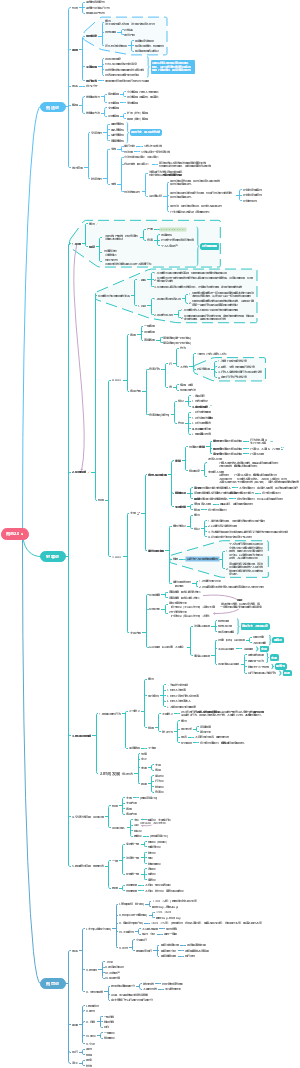
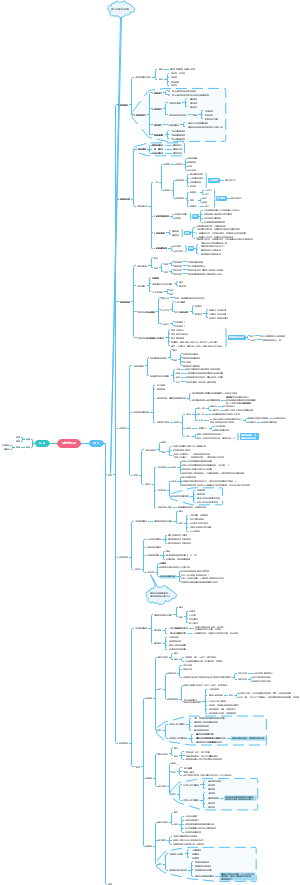
Cell Division
Mitosis
Mitosis is a form of nuclear division that produces daughter nuclei containing the same number of chromosomes as the parent nucleus. The daughter nuclei are genetically identical.
Why is it Important to Produce Genetically Identical Daughter Cells?
Normal Development of An Embryo
Errors occured during DNA replication or mitosis will be transmitted to the daughter cells
A zygote divides to form an embryo
Harmful changes to the genes and affect how the cells function
Abnormal Protein
Changes during DNA replication can produce abnormal proteins
Cells containing abnormal proteins may be rejected or destroyed by the body's immune system
Cancer
Mistakes made in DNA replication or mitosis may cause the uncontrolled division of cells (cancer)
May be fatal/cannot perform normal functions/lose the ability to control the way they divide
The Cell Cycle
Interphase
Chromosomes appear as long thin threads called chromatin
Each chromatin thread contains one DNA molecule
The pair of centrioles (in a centrosome) divide in an animal cell
Each chromatin thread replicates
Producing two identical chromatin threads (sister chromatids)
Sister chromatids joined at a point called the centromere
Mitosis
Prophase
Chromatin threads condense, coil and shorten to become chromosomes (now visible under light microscope
In an animal cell (only), asters form around the centrioles
Asters are made of microtubules
Two pairs of centrioles move apart to opposite poles of the cell
Nucleolus breaking down
Nuclear envelope disintegrates
A spindle forms with spindle fibres extending from one pole of the cell to the other
Metaphase
Chromosomes line up along the equatorial plane of the spindle
Each centromere is attached on both sides to a spindle fibre
Anaphase
Each centromere divides
The spindle fibres shorten and pull the chromatids apart to opposite poles of the cell
Once separated, the chromatids are called daughter chromosomes
Telophase
Spindle fibres break down
Nuclear envolope forms around the daughter chromosomes at each pole of the cell
Nucleolus reforms in each nucleus
Chromosomes uncoil and lengthen to become thin chromatin threads
Cell Division (division of cytoplasm)
Cytokinesis
In animal cells, furrows appear in the cytoplasm between the two nuclei
Furrows deepen, cytoplasm cleaves into two
Two identical daughter cells are finally produced
Mitosis in Plant Cells
Centrioles are absent
Cleavage of cytoplasm does not occur during cytokinesis
During cytokinesis, a cell plate is formed
The cell plate is formed by the fusion of small fluid-filled vesicles produced by the Golgi apparatus
Why is Mitosis Important?
Mitosis enables the growth of an organism
Mitosis is needed for the repair of worn-out parts of the body
Seal the cut
Malpighian layer
Mitosis allows asexual reproduction to occur
Vegetative reproduction
Storage organs
Meiosis
What are gametes?
Gametes are reproductive cells that contain half the number of chromosomes as the normal body cells
Diploid Number (2n)
The number of chromosomes in the normal body cell (46 in humans)
Haploid Number (n)
Half diploid number (23 in humans)
Fertilisation
Fertilisation occurs when the nucleus of the male gamete fuses with nucleus of the female gamete to form a zygote
Homologous Chromosomes
same shape, same genes and same length
What is Meiosis?
Meiosis is a form of nuclear division that produced daughter nuclei containing half the number of chromosomes as the parent nucleus
Interphase
The pair of centrioles (in a centrosome) divide in an animal cell
Each chromatin thread replicates
Producing two identical chromatin threads (sister chromatids)
Sister chromatids are attached at the centromere
Meiosis I
Prophase I
Chromatin threads condense, coil and shorten to become chromosomes (now visible under light microscope)
Homologous chromosomes pair along their whole length, this is called synapsis
Chromatids of homologous chromosomes may cross and twist around one another
The point where they cross one another is called a chiasma
Strength of their coiling may cause them to break and exchange parts —— crossing over
Crossing over produces new combinations of alleles along the chromosomes
As chromosomes shorten further, homologous chromosomes appear to repel each other
In an animal cell (only), asters form around the centrioles
Asters are made of microtubules
Two pairs of centrioles move apart to opposite poles of the cell
Nucleolus breaking down
Nuclear envelope disintegrates
Spindle fibres form
Metaphase I
Pairs of homologous chromosomes arrange themselves along the equatorial plane of the spindle
Two chromosomes of each pair face oppostite poles of the cell
Each chromosome is attached to a spindle fibre
Anaphase I
The spindle fibres shorten and pull the chromatids apart to opposite poles of the cell
Telophase I
Spindle fibres break down
Nuclear envolope forms around the chromosomes at each pole of the cell
Cytokinesis I
In animal cells, furrows appear in the cytoplasm between the two nuclei
Furrows deepen, cytoplasm cleaves into two
Two daughter cells, each with the haploid number of chromosomes, are produced
The centrioles divide
Meiosis II
Prophase II
Two pairs of centrioles move apart to opposite poles of the cell
Nuclear envelope disintegrates
spindle fibres appears
Metaphase II
Chromosomes arrange themselves along the equatorial plane of the spindle
Each centromere is attached on both sides to a spindle fibre
Anaphase II
Each centromere divides
The spindle fibres shorten and pull the chromatids apart to opposite poles of the cell
Once separated, the chromatids are called daughter chromosomes
Telophase II
Spindle fibres break down
Nuclear envolope forms around the daughter chromosomes at each pole of the cell
Nucleolus reforms in each nucleus
Chromosomes uncoil and lengthen to become thin chromatin threads
Cytokinesis II
Cleavage of cytoplasm
Four daughter cells
Each with half the number of chromosomes as the parent cell
Why is Meiosis Important?
Meiosis produces haploid gametes
Diploid number of chromosomes is restored in the zygote
Maintain the normal diploid number of chromosomes in the species
Meiosis results in variations in the gametes produced
Variations occur due to crossing over and independent assortment of chromosomes
Independent assortment of chromosomes: one chromosome from each pair can combine with either chromosome of the other pair
Fertilisation is random so such variations in the gametes produce variations in the offspring
Variations increase the chances of survival of the species during changes in the environment
Nature will select those organisms with favourable characteristics to survive