导图社区 管理学原理
- 243
- 7
- 2
- 举报
管理学原理
适用于管理学原理(双语)的思维导图,管理学原理思维导图:包含Chapter four:Motivating and Rewarding Employees,Chapter one:Managers and Management,
编辑于2022-06-27 10:05:58
- 相似推荐
- 大纲

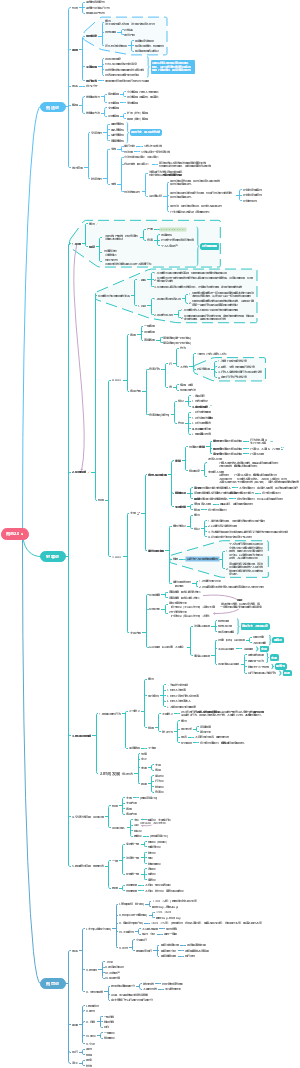
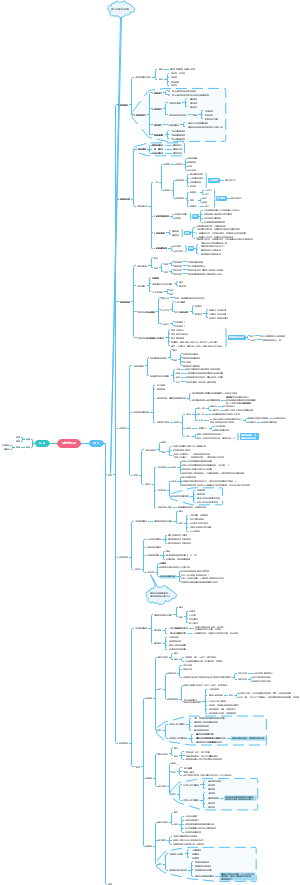
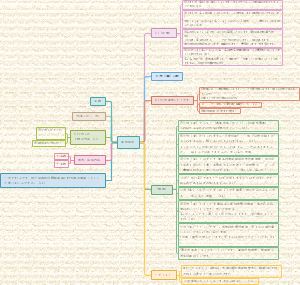
管理学原理
Chapter one:Managers and Management
The concept of organizations
Goals
People
Structure
An organization is a deliberate arrangement of people brought together to accomplish some specific purpose.
Who managers are?
Manager levels
Top Managers
Middle Managers
First-line Managers
Group leaders
How are Managers different?
Nonmanagerial Employees • Work directly on tasks • Not responsible for overseeing others' work
Managers • Direct and oversee the activities of others • May have work duties not related to overseeing others
What is management?
Effectiveness(有效) – “Doing the right things”, doing those tasks that help an organization reach its goals
Efficiency(有效率) – Concerned with the means, efficient use of resources like people, money, and equipment
The process of getting things done effectively and efficiently, with and through people.
What do managers do?
4 functions approach
Planning 确定目标
Organizing 安排分工
Leading 激励
Controlling 监督与评估
POLC(闭环)
Management roles approach
Decisional Roles
Entrepreneur 战略决策
Disturbance Handler 处理问题
Resource Allocator 分配资源
Negotiator 协调各部门关系
Interpersonal Roles
Figurehead 挂名领导
Leader 激励下属
Liaison 通过个人人脉联络
Informational Roles
Monitor 监督监测
Disseminator 对内发布消息
Spokesperson 对外的发言人
Skills and competences approach
Conceptual Skills 分析与判断
Interpersonal Skills 人际交往
Technical Skills 专业知识
Political Skills 权力运作 有自己的Power Base
Is the Manager's Job Universal?
Management Activities by Organizational Level
All manager do 4 functions work
But the amount of time they give to each activity is not necessarily constant
High level manager spend more time on organizing, while, low level manager on leading
Top level managers do more planning than supervisors
Profit vs. Not-for-profit
Size of the Organization
Small businesses require an emphasis in the management role of spokesperson
Large businesses, the role of resource allocator
National Borders
Chapter four:Decision
The decision-making process
Identifying a Problem
What is the real problem?——找出真正要解决的问题 Solving the wrong problem perfectly is no better than do nothing
How can we identify it? comparing the current state with desired state of affaires: Past performance, previously set goals, performance of other units or organizations …
Characteristics: problem identification is subjective in nature 客观看待
Identifying decision criteria
Assign different weights 权重
Judgments are involved in selecting criteria and assigning weighs 权重依问题而定
Developing Alternatives
Analyzing Alternatives
Implementation and Evaluation
Communicating with those to be affected and
Gaining their commitment of support
Participation of decision making brings enthusiasms
征求有关人员意见
Common errors
How to avoid?
Aware of them and then not using them
Pay attention to “how” you make decisions and try to identify the heuristics typically used and critically evaluate how appropriate they are 注意你的直觉决策并分析他们是否恰当
Ask those around to help identify weaknesses in your decision-making style and try to improve on them 让其他人评判
3 approaches of decision-making
Rational Model of Decision Making 理性决策
The decision maker is fully objective and logical
The problem is clear and unambiguous.
Goal is clear and specific
All possible alternatives and consequences are known.
The decision maker will select the alternative that maximizes the likelihood of achieving that goal
The decisions are made in the best interests of the organization
Bounded Rationality 有限理性决策
Managers make decisions rationally, but are limited(bounded) by their ability to process information
Most decisions managers make don't fit the assumptions of perfect rationality
No one can possibly analyze all information on all alternatives
Managers satisfice, rather than maximize. That is,they accept solutions that are"good enough"
Intuitive decision making 直觉决策
Based on experience, feelings, and accumulated judgment
Been described as "unconscious reasoning"
Have five different aspects of intuition
Different types of dicisions
Structured Problem
Programmed Decisions
Policy
Procedure
Rule
Unstructured Problem
Nonprogrammed Decisions
Group decision-making
Pros and Cons
Evidence of Groupthink
How to avoid groupthink
When Are Groups Most Effective?
Accuracy
Speed
Creativity
Acceptance
How to improve?
Brainstorming 头脑风暴 – An idea-generating process that encourages alternatives while withholding criticism
Nominal Group Technique 多使用匿名工具 – A decision-making technique in which group members are physically present but operate independently
Electronic Meeting 线上会议 – Participants are linked by computer
Chapter five:Plan
What Is Planning? -Planning is often called the primary management function because it establishes the basis for all the other things managers do.
Define an organization' s goals
Requirements for organizational structure and employees
Establish an overall strategy
Objectives for leading and directing
Develop a comprehensive hierarchy of plan
Standards for controlling organization's activities
Why Do Managers Need to Plan?
Pros of planning
planning establishes coordinated effort
planning reduces uncertainty
planning reduces overlapping and wasteful activities
planning establishes the goals or standards that facilitate control
Cons of planning
Planning may create rigidity 容易导致僵化 不好变通
Formal plans can't replace intuition and creativity 创造力和直觉同样很重要
Planning focuses managers' attention on today's competition, not on tomorrow's survival 容易造成短视
Formal planning reinforces success, which may lead to failure 有的时候人们需要一场失败去改革工作方法 而计划往往延续之前的"成功",降低了这种改革的可能性
Strategic Management?
The concept of strategic management
What Is Strategic Management? It is what managers do to develop an organization's strategies.
What are an organization's strategies? They're the plans for how the organization will do it's business, how it will compete successfully, and how it will attract and satisfy its customers in order to achieve its goals.
Why Is Strategic Management Important? --To make a difference in performance --To face continually changing situations --To deal with the complexity and diverse
The Strategic Management Process
STEP 1: Identifying the organization's current mission, goals and strategies
STEP 2&3: Doing internal&external analysis
SWOT
STEP 4:Formulating strategies
Corporate strategy 行业战略 specifies what businesses a company is in or wants to be in and what it wants to do with those businesses
Growth strategy 增长型战略
Concentration 专注型:把一件事做到最好
Vertical Integration 垂直增长:向着供应链的上下游扩张,代替你的供应商或者客户
Horizontal Integration 水平增长:通过并购和重组,扩大自己的产业规模
Diversification 多样化增长:向不同的领域扩张
Stability strategy 稳定型战略
Renewal strategy 转形战略
Competetive strategy 竞争战略 is a strategy for how an organization will compete in its business(es)
Cost leadership strategy 价格优先战略:尽可能压低成本,提升价格优势
Differentiation Strategy 差异化战略:人无我有、人有我优...
Focus Strategy 只专注一个市场(比如高端市场),并且运用前两种战略进行竞争
Stuck in the middle problem... 拒绝中庸
Functional strategy 功能战略 are used in an organization's various functional departments to support the competitive strategy
Customer service
Employee skills and loyalty
Innovation
Quality
Social media
Big data
STEP 5: Implementing strategies
STEP 6: Evaluating results
How Do Managers Set Goals and Develop Plans?
Goals (objectives) – Desired outcomes or targets
Setting goals
Real Goals – Those goals an organization actually pursues as shown by what the organization's members are doing
Traditional Goal Setting – Goals set by top managers flow down through the organization and become sub-goals for each organizational area
漏斗效应——传统目标制定的弊端
MBO 目标管理
goal specificity 目标要具体
participative decision making 执行目标的人也要参与目标制定
explicit time period 明确的时间期限
performance feedback 绩效反馈(奖励)机制
Steps in Goal Setting
1. Review the organization's mission and employee's key job tasks
2. Evaluate available resources
3. Determine the goals individually or with input from others
4. Make sure goals are well-written and then communicate them to all who need to know
5. Build in feedback mechanisms to assess goal
6. Link rewards to goal attainment.
Stated Goals 名义上的(官方口径的)目标 – Official statements of what an organization says, and wantsits stakeholders to believe, its goals are
Plans – Documents that outline how goals are going to be met
Types of plans
Breadth 按深度分类 • Strategic Plans 战略方案 涉及整个企业 – Plans that apply to the entire organization and encompass the organization's overall goals • Tactical Plans 战术方案 更加细化 – Plans that specify the details of how the overall goals are to be achieved
Time frame 按持续时间分类 • Long-term Plans – Plans with a time frame beyond three years • Short-term Plans – Plans with a time frame of one year or less
Specificity 按细化程度分 • Specific Plans – Plans that are clearly defined and leave no room for interpretation • Directional Plans – Plans that are flexible and set general guidelines
Frequency of use 按可复用性分类 • Single-use Plan – A one-time plan specifically designed to meet the needs of a unique situation • Standing Plans – Plans that are ongoing and provide guidance for activities performed repeatedly
Contingency Factors in Planning 计划中的可变因素
Organizational level
Degree of environmental uncertainty
Length of future commitments.
Contemporary issues in planning
The traditional approach to planning
In the traditional approach planning is done by top management
Formal planning department 战略部 – A group of planning specialists whose sole responsibility is to help write the various organizational plans
Making plan effectivelyin dynamic environments
Develop specific but flexible plans
Stay alert to environmental changes and recognize that planning is an ongoing
Continue to use formal planning
Make the organizational hierarchy flatter
Applying environmental scanning
Environmental scanning An analysis of the external environment that involves screening large amounts of information to detect emerging trends
Competitive intelligence A type of environmental scanning that gives managers accurate information about competitors. It seeks basic information about competitors: • Who are they? • What are they doing? • How will what they're doing affect us?
Chapter six:Organizational structure and culture
What is organizing?
• Organizing – The function of management that creates the organization's structure
• Organizational Design – how managers develop or change the organization's structure
Key factors in organizing
Work specialization 分工
– Dividing work activities into separate job tasks; also called division of labor
– individuals specialize in doing part of an activity rather than the entire activity
分工并不是越细越好
Departmentalization 部门划分
Functional 根据职能划分
Product 根据提供的产品划分
Customer 根据服务的消费者划分
Geographic 根据地域划分
Process 根据生产过程划分
The Contemporary View of Departmentalization
Most large organization still use most or all of the types of departmental groupings
Competitive environment has refocused the attention of managers on monitoring the needs of customers and responding to them 随着市场竞争激烈化,按客户分工正变得越来越重要
More and more use of the crossing department team as a device to accomplish organizational objectives 跨部门小组的使用越来越普遍
Authority and responsibility
Authority 权力是由职位带来的下达命令的能力 -refers the right inherent in a managerial position to give orders
Two types of authority relationships 直接职权:直接管理员工的权力 参谋职权:对拥有直线职权的管理者,提供支持,协助和建议的权力 The early management writers distinguished between two forms of authority: line authority and staff authority. Line Authority entitles a manager to direct the work of an employee, while Staff Authority functions to support, assist, advise, and generally reduce some of the line managers' informational burdens
Responsibility 责任是完成任务的必要性 -refers the obligation to perform assigned activities
Power
What is Power?
• Authority 权力只因职位而产生 – The right inherent in a managerial position to give orders – Goes with the job
• Power 影响决策的能力 – Refers to an individual's capacity to influence decisions. – Authority is part of the larger concept of power
Types of power
Coercive power 强制性权力 Power based on fear
Reward power 奖赏权力 Power based on the ability to distribute something that others value
Legitimate power 法定权力 Power based on one's position in the formal hierarchy
Goes with the job
Expert power 专家权力 Power based on one's expertise,speicial skills,or knowledge
Referent power 参照权力 Powerbased in identification with a person who has desirable resources or personal traits
Power versus authority
Power包含Authority
Span of Control 控制范围:一位管理者能有效管理的员工数量 – The number of employees a manager can efficiently and effectively supervise
Contrasting spans of control 控制范围决定了一个组织的管理者和层级数目
the wider the span,the more efficient the organization……
Contingency variables that influence the span of control
• Training and experience employees have
• Similarity and complexity of employees tasks
• Physical distance of employees
• Presence of standardized procedures
• Capabilities of the information management system
• Strength of the firm's value system
• style of management
Centralization 集权
Centralization is the degree to which decision making takes place at upper levels of the organization. 集权:高层管理者做出决策 Decentralization is the degree to which lower-level managers provide input or actually make decisions. 分权:低层级员工做决定 Centralization-decentralization is not an either-or concept. Rather, it's a matter of degree. 两者不是排斥关系,而是比重多少的关系
• Choose the degree of decentralization that allow management to best implement their decisions and achieve organizational goals. • Determine the amount of decentralization according to the situation of each organization and the units within it.
Formalization 正式化程度 How standardized an organization’s jobs are and the extent to which employee behavior is guided by rules and procedures.
Today's view on formalization 越来越多的组织走向非正式化 Although some formalization is necessary for consistency and control, many organizations today rely less on strict rules and standardization to guide and regulate employee behavior.
How contingency factors favors structures
Mechanistic and organic organizations
Mechanistic Organization 机械的组织——规则明确、等级严格 – A bureaucratic organization; a structure that's high in specialization,formalization, and centralization
Organic Organization 有机的组织 – A structure that's low in specialization, formalization, and centralization
Contingency factors
Size——“Magic number seems to be 2,000 employees” 2000人以下适合有机组织,2000人以上适合机械组织
Technology
unit production 小批量生产 - production of items in units or small batches
mass production 大规模生产 - large-batch manufacturing
process production 流水线生产 - continuous-process production
Environment
• reduce environmental uncertainty:adjust the organization's structure 环境的不确定性影响组织结构 – with greater stability, mechanistic structures are more effective – mechanistic structures are not equipped to respond to rapid environmental change – the greater the uncertainty, the greater the need for an organic structure 环境稳定——机械更好;环境变化快、不确定性大——有机更好 organizations are being designed to be more organic nowadays! 当今世界瞬息万变,组织应该更有机
Traditional and contemporary organizal designs
Traditional designs
Simple structure A simple structure, which is an organizational design with low departmentalization, wide spans of control,authority centralized in a single person, and little formalization.
Pros:简单高效 Cons:不适随着人数变多逐渐不适用、过于依赖一个人
Functional structure 按职能划分部门 – An organizational design that groups similar or related occupational specialties together
Pros:功能的集成减少成本、同专业的专家们可以集中 Cons:各部门会更专注于自己的目标而忽略公司整体目标、部门之间交流困难
Divisional structure 按业务划分部门 The divisional structure is an organizational structure made up of separate business units or divisions.
Pros:责任明确、各部门经理只对自己的那部分业务负责 Cons:专业人员大量冗余、开支增大
Contemporary designs
Team Structure 整个组织根据工作分为小组 A team structure is one in which the entire organization is made up of work teams that do the organization's work.
Pros:员工积极性强、打破不同部门之间隔阂 Cons:没有清晰的命令链、依赖小组成员主观能动性
Matrix structure 矩阵结构 The matrix structure assigns specialists from different functional departments to work on projects led by a project manager. When employees finish work on an assigned project, they go back to their functional. “ One unique aspect of this design is that it creates a dual chain of command …”每个专业人员既受自己部门经理管理,又受项目经理管理
Pros:灵活应变 Cons:横纵命令链带来的安排复杂化
Boundaryless structure 无边界结构 The boundaryless organization is an organization whose design is not defined by, or limited to, the horizontal, vertical, or external boundaries imposed by a predefined structure.
Virtual organization 虚拟组织——大量使用外包以及外部员工 An organization that consists of a small core of full-time employees and outside specialists temporarily hired as needed to work on projects.
Network organization 网络组织——将自己的员工进行劳务派遣的组织 An organization that uses its own employees to do some work activities and networks of outside suppliers to provide other needed product components or work processes.
Pros:灵活、利用各领域的优秀人才 Cons:交流困难、缺乏控制链
Chanllenges today's organizations face
Keep employees connected
Manage global structural issues
-Managers need to be familiar with global differences in organizational structures -Managers need to think about the cultural implications of certain design elements when designing or changing structure
Build Learning Organizations
Learning organization 学习型组织强调的是随机应变的能力 An organization that has developed the capacity to continuously learn, adapt, and change.
Design flexible work arrangements
Chapter 13:Controling
The concept of controling
What Is Control?
Control is the management function that involves monitoring activities to ensure that they are being accomplished as planned and correcting any significant deviations. 监控并改正 An effective control system ensures that activities are completed in ways that lead to the attainment of the organization’s goals. The effectiveness of a control system is determined by how well it facilitates goal achievement. 保证组织活动可以实现目标
Why Is Control Important?
1. it’s the only way that managers know whether organizational goals are being met and if not, the reasons why. 2. employee empowerment. 好的控制机制可以把出错概率降到最低,为管理者给员工分权提供保障 3. Protect the organization and its assets 维护组织及其财产
The process of controling
The control process is a three-step process of measuring actual performance, comparing actual performance against a standard, and taking managerial action to correct deviations or to address inadequate standards. The control process assumes that performance standards already exist, and they do. They’re the specific goals created during the planning process
Types of Control
根据进行控制的时期分: Management can implement controls before an activity commences, while the activity is going on, or after the activity has been completed. The first type is called feedforward control, the second is concurrent control, and the last is feedback control. 活动开始之前的控制:前馈控制 活动进行时的控制:同步控制 活动结束后的控制:反馈控制
按追踪的指标分:
Contemporary issues in controling
Cultural Differences
Workplace concerns
Monitoring employees
Employee theft 监守自盗
Workplace violence
Communication and Information
Communication
Concept
Communication is the transferring and understanding meanings The best idea, or suggestions, or plans cannot take form without communications Communication can take many forms -Oral vs. written -Verbal vs. non-verbal -Interpersonal vs. organizational
Communication process
Communication can be thought of as a process or flow. Before communication can take place, a purpose, expressed as a message to be conveyed, is needed. It passes between a source (the sender) and a receiver. The message is encoded (converted to symbolic form) and is passed by way of some medium (channel) to the receiver, who retranslates (decodes) the message initiated by the sender. The result is communication, which is a transfer of understanding and meaning from one person to another.
Message
Message is the actual physical product from the source that conveys some purpose. When we speak, the words spoken are the message. When we write, the writing is the message. When we paint, the picture is the message. When we gesture, the movements of our arms, the expressions on our faces are the message. Our message is affected by -The code to be used -The content of the message -Selection and arrangement of codes and content
Channel
The CHANNEL is the medium through which the message travels. It's selected by the source, who must determine which channel is formal and which one is informal. Formal channels are established by the organization and transmit messages that pertain to the job related activities of members. Commonly used communication channels include: -Written Communication 书面沟通 -Verbal Communication 口头沟通 -The Grapevine 小道消息 -Nonverbal Cues 肢体语言 -Electronic Media 电子媒介
The GRAPEVINE is the unofficial way that communications take place in an organization. It is neither authorized nor supported by the organization. Rather, information is spread by word of mouth—and even through electronic means. Ironically, good information passes among us rapidly, but bad information travels even faster. The grapevine gets information out to organizational members as quickly as possible.
Nonverbal Cues Body language refers to gestures, facial expressions, and other body movements. Hand motions, facial expressions, and other gestures can communicate emotions or temperaments such as aggression, fear, shyness, arrogance, joy, and anger. Research indicates that from 65 to 90 percent of the message of every face-to-face conversation is interpreted through body language. Without complete agreement between the spoken words and the body language that accompanies it, receivers are more likely to react to body language as the “true meaning.”
How to communicate effectively
WHY MUST WE LISTEN ACTIVELY? -When someone talks, we hear. But too often we don't listen. Listening is an active search for meaning, whereas hearing is passive. In listening,the receiver is also putting effort into the communication. -Many of us are poor listeners. Listening, in fact, is often more tiringthan talking. Active listening is listening for full meaning without making premature judgments or interpretations, demands total concentration. -The average person normally speaks at a rate of about 125 to 200 words per minute. However, the average listener can comprehend up to 400 words per minute. The difference leaves lots of idle brain time and opportunities for the mind to wander.
Technology and managerical communication
Networked communication
In a networked communication system -Organizational computers are linked through compatible hardware and software, creating an integrated organizational network. -Employees communicate with each other and get information wherever they are.
Networked Communication Applications
Wireless Communication Applications
Contemporary issues in communicating
How to Manage Communication in an Internet World?
A recent survey found that 20 percent of employees at large companies say they contribute regularly to blogs, social networks, wikis, and other Web services.30 Managers are learning that all this new technology has created special communication challenges. The two main ones are -legal and security issue -lack of personal interaction
How Does Knowledge Management Affect Communication?
Knowledge management involves cultivating a learning culture in which organizational members systematically gather knowledge and share it with others in the organization so as to achieve better performance. -Recognize the value of knowledge as a major resource -Make it easy for employees to communicate and share knowledge -Build online information databases -Create communities of practice 实践社区-一群人围绕特定主题进行学习
To make these communities of practice work, it's important to maintain strong human interactions through communication using such essential tools as interactive web sites, e-mail, and video conferencing. In addition, these groups face the same communication problems that individuals face — filtering, emotions, defensiveness, over documentation, and so forth.
What Role Does Communication Play in Customer Service?
How Can We Get Employee Input and Why?
员工信息输入
Why Should We Be Concerned with Communicating Ethically?
What is ethical communication? 道德沟通:确保沟通的消息属实且没有迷惑性 -It asks all relevant information is true in every sense, and is not deceptive in any way.
What are some ways leading to communicate unethically? -Omitting essential information. 省略关键信息 -Presenting someone else's words or other creative product as your own. -Selectively misquote, misrepresent numbers, distort visuals, and fail to respect privacy or information security needs.
How can managers encourage ethical communications? -First one is to establish clear guidelines for ethical behavior, including ethical business communication. -If no clear guidelines exist, go to the checklist next page …
Chapter 11:Leading and trust
Defination
Leader Someone who can influence others and who has managerial authority.
Leadership The process of leading a group and influencing that group to achieve its goals.
Managers vs. Leaders
Early leadership theories
Trait theories on leadership 领导特征理论
Traits Associated with Leadership 1. Drive 进取心 2. Desire to lead 对领导力的渴望 3. Honesty and integrity 忠诚 4. Self-confidence 自信 5. Intelligence 智慧 6. Job-relevant knowledge 和工作相关的专业技能 7. Extraversion 外向性格
Behavioral theories of leadership 领导行为理论
Autocratic style 独裁风格 dictating work methods, centralizing decision making, and limiting participation Democratic style 民主风格 involving subordinates, delegating authority, and encouraging Laissez-faire style 放任风格 giving group freedom to make decisions and complete work 研究结果:民主最有效
Ohio State studies 俄亥俄州立大学的研究
Consideration 关怀 being considerate of followers' ideas and feelings. Initiating structure定规-注重工作流程和安排 structuring work and work relationships to meet job goals. 结论:高关怀高定规的领导方式最有效
University of Michigan Studies 密歇根大学的研究
Employee oriented 员工导向-强调人际关系和对员工的关怀 Emphasizing interpersonal relationships and taking care of employees' needs Production-oriented 生产导向-注重生产过程中技术和任务的一面 Emphasizing technical or task aspects of job 结论:员工导向能提供更高的单位产量和工作满意度
Blake's Grade 管理方格理论
纵轴表示企业领导者对人的关心程度,横轴表示企业领导者对业绩的关心程度 结论:9,9组合效果最好
Contigency leadership theories
Fiedler's model 费德勒的权变模型
Contingency dimensions of Fiedler's model 费德勒的模型中的权变维度 Leader–member relations 领导与员工的关系 The degree of confidence, trust, and respect employees have in their leader Task structure 任务是否程序化 The degree to which the job assignments of employees are structured or unstructured Position power 领导者所处的职位能提供的权力和权威是否足够强 The degree of influence a leader has over power variables such as hiring, firing, discipline, promotions, and salary increases
任务取向的领导者在非常有利的情境和非常不利的情境下工作得更好。而关系取向的领导者则在中度有利的情境中发挥更好
领导风格的判断:LPC问卷,领导者回忆最难共事的同事,对其指标进行打分,印象越好分数越高,得分高是关系导向性,否则为任务导向型
Situational leadership theory情境领导理论
领导应该根据员工的不同情况来改变领导风格
Leader-participation model 领导者-参与模型
leader-participation model relates leadership behavior and participation to decision making. 研究领导行为和决策的联系 They argued that leader behavior must adjust to reflect the task structure. 根据任务情况的不同领导行为也会不一样
Path-goal theory
The theory proposes that a leader's behavior won't be effective if it's redundant with what the environmental structure is providing or is incongruent with follower characteristics. 领导者的工作是利用结构、支持和报酬,建立有助于员工实现组织目标的工作路径。
four leadership behaviors: 1. Directive leader 领导对任务进行说明并明确工作标准 2. Supportive leader 领导关注并解决下属的需要 3. Participative leader 领导邀请下属参与决策 4. Achievement oriented leader 领导鼓励下属达到尽可能高的工作水平
环境因素的影响: Directive leadership leads to greater satisfaction when tasks are ambiguous or stressful than when they are highly structured and well laid out. Supportive leadership results in high employee performance and satisfaction when subordinates are performing structured tasks. Directive leadership is likely to be perceived as redundant among subordinates with high perceived ability or with considerable experience. The clearer and more bureaucratic the formal authority relationships, the more leaders should exhibit supportive behavior and deemphasize directive behavior.
员工因素的影响: Directive leadership will lead to higher employee satisfaction when there is substantive conflict within a work group. Subordinates with an internal locus of control will be more satisfied with a participative style. 内控者:觉得事情的结果与自身努力程度关系大 Subordinates with an external locus of control will be more satisfied with a directive style. 外控者:事情的结果由自己以外的因素决定 Achievement-oriented leadership will increase subordinates' expectancies that effort will lead to high performance when tasks are ambiguously structured.
Contemporary Views of Leadership
Leader-Member Exchange(LMX)
Early on in the relationship between a leader and a given follower, a leader will implicitly categorize a follower as an "in" or as an "out" 领导者与下属中的少部分人建立了特殊关系。这些个体成为圈内人士 Leaders encourage LMX by rewarding those employees with whom they want a closer linkage and punishing those with whom they do not. 领导会更多地奖励那些他想要拉进圈内的人,惩罚那些他不想拉进圈内的人 Evidence indicates that in-group members have demographic, attitude, personality, and even gender similarities with the leader or they have a higher level of competence than out-group members. 领导者倾向于将具有下面这些特点的人员选入圈内:个人特点(如年龄、性别、态度)与领导者相似,有能力,具有外向的个性特点
Leader-Member Exchange (LMX) Theory says that Leaders create in-groups and out-groups and those in the in-group will have higher performance ratings, less turnover, and greater job satisfaction. 圈内地位的下属得到的绩效评估等级更高,离职率更低,对工作更满意
Transformational-transactional leadership 变革型领导和交易型领导
Transactional leaders who lead primarily by using social exchanges (or transactions). 交易型领导用资源奖励来换取员工的高绩效 Transformational leaders who stimulate and inspire (transform) followers to achieve extraordinary outcomes. 变革型领导通过激励和鼓励来使得员工达到高产出
The evidence supporting the superiority of transformational leadership over transactional leadership is overwhelmingly impressive: 变革型领导比交易型领导效果更好 Studies that looked at managers in different settings, including the military and business, found that transformational leaders were evaluated as more effective, higher performers, more promotable than their transactional counterparts, and more interpersonally sensitive. Evidence indicates that transformational leadership is strongly correlated with lower turnover rates and higher levels of productivity, employee satisfaction, creativity, goal attainment, and follower well-being.
Charismatic and Visionary 魅力型和愿景型领导
Charismatic leader is an enthusiastic, self-confident leader whose personality and actions influence people to behave in certain ways. 魅力型领导通过自己的性格和行为来影响其他人的表现 Visionary leadership is the ability to create and articulate a realistic, credible, and attractive vision of the future that improves upon the present situation. 愿景型领导通过创造并描述美好的愿景来激励下属
Effective team leadership
One study looking at organizations that had reorganized themselves around employee teams found certain common responsibilities of all leaders. These included coaching, facilitating, handling disciplinary problems, reviewing teamand individual performance, training, and communication. However, a more meaningful way to describe the team leader's job is to focus on two priorities:小组领导的关键工作 (1) Managing the external boundary 管理团队的外部边界 (2) Facilitating the team process 推进小组工作进程
Leadership Issues 21 Century Leaders Have to Face
Empowering employees
Cross-cultural leadership
Emotional intelligence and leadership
Emotional intelligence (EI) refers to an assortment of noncognitive skills, capabilities, and competencies that influences a person's ability to cope with environmental demands and pressures. It's composed of five dimensions: Self-awareness. Being aware of what you're feeling. 情绪的自我感知 Self-management. The ability to manage your own emotions and impulses. 情绪自我管理 Self-motivation. The ability to persist in the face of setbacks and failures. 自我动力 Empathy. The ability to sense how others are feeling. 同理心 Social skills. The ability to handle the emotions of others. 社交能力
Trust
Trust, or lack of trust, is an increasingly important issue in today's organizations. In today's uncertain environment, leaders need to build, or even rebuild, trust and credibility
Credibility 信誉 The degree to which followers perceive someone as honest, competent, and able to inspire. Trust 信任 The belief in the integrity, character, and ability of a leader
Trust is defined as the belief in the integrity, character, and ability of a leader. Research has identified five dimensions that make up the concept of trust: Integrity: honesty and truthfulness 诚实 Competence: technical and interpersonal knowledge and skills 专业技能 Consistency: reliability, predictability, and good judgment in handling situations 一致性 Loyalty: willingness to protect a person, physically and emotionally 忠诚 Openness: willingness to share ideas and information freely 外向
Building trust
Chapter four:Motivating and Rewarding Employees
Defination of motivation
Motivation refers to the process by which a person's efforts are energized, directed, and sustained toward attaining a goal. This definition has three key elements: energy, direction, and persistence. 激励的三个核心要素:动力、方向、坚持
Early theories of motivation
Maslow's Hierarchy of Needs 马斯洛的需求层次理论
There are Physiological, Safety, Social, Esteem, and Selfactualization needs 从初级到高级:生理需求、安全需求、社交需求、尊重(自我尊重与他人尊重)、自我实现需求
Satisfaction of these needs is usually hierarchally
As each need becomes satisfied, the next need becomes dominant
Only the dominant need has can motivate people…
McGregor'sTheory X and Theory Y 麦克格雷的X理论与Y理论
Theory X is a negative view of people that assumes workers have little ambition, dislike work, want to avoid responsibility, and need to be closely controlled to work effectively. X理论认为人们自然地厌恶工作
Theory Y is a positive view that assumes employees enjoy work, seek out and accept responsibility, and exercise self-direction. Y理论认为人们享受工作
X理论还是Y理论更好取决于这份工作的性质
Herzberg'sTwo-Factor Theory 赫茨伯格的两种要素理论
Frederick Herzberg's two-factor theory (also called motivation-hygiene theory) proposes that intrinsic factors are related to job satisfaction, while extrinsic factors are associated with job dissatisfaction.
激励要素:使人们满意 保健要素:消除人们的不满意
Contemporary theories of motivation
McClelland's Three-Needs Theory 麦克利兰的三需求理论
三种需求:成就需求、权力需求和联系需求
最好的管理者是权力需求高、归属需求低
Goal-Setting Theory
Goal-setting theory says specific goals increase performance and difficult goals, when accepted, result in higher performance than do easy goals. a) Working toward a goal is a major source of job motivation, specific and challenging goals are superior motivating forces b) Employees do not always like to participate in the goal setting but participation can help to overcome their resistance to accept difficult challenges c) People will do better if they get feedback and self-generated feedback is more powerful
目标转化为绩效过程中的变量:对目标的承诺、自我效能(对自身能力的估计)、国家文化
Job characteristics model (JCM)工作特征模型
According to Hackman and Oldham, any job can be described in terms of five core job dimensions 五大核心维度: 1.Skill variety. 技能多样性 工作需要的技能种类是否丰富 2.Task identity. 任务可辨识度 工作成果是否容易被他人识别 3.Task significance. 任务重要性 4.Autonomy. 自主程度 5.Feedback. 反馈 对于成长需求强度越高的员工,工作特征对他的激励效果越高
Equity Theory 公平理论
人们认为自己是否受到了公平的待遇主要是靠比较投入产出比
三种常见的比较:自己与组织内职务相似的其他人、自己与其他组织职务相似的人、自己的过去与现在
Distributive justice 分配公平 Perceived fairness of the amount and allocation of rewards among individuals. Procedural justice 程序公平 perceived fairness of the process used to determine the distribution of rewards. A research shows that distributive justice has a greater influence on employee satisfaction than procedural justice, while procedural justice tends to affect an employee's organizational commitment, trust in hisor her boss, and intention to quit. 分配公平比程序公平更能影响员工满意度、 程序公平主要影响与组织有关的效果变量,如组织荣誉感、归属感、忠诚度
Expectancy theory 期望理论
Victor Vroom's expectancy theory states that an individual tends to act in a certain way based on the expectation that the act will be followed by a given outcome and on the attractiveness of that outcome to the individual. It includes three variables or relationships: 1.expectancy or effort-performance linkage 努力和绩效的关系:对于自己是否能完成目标的判断 2.instrumentality or performance-reward linkage 绩效与奖励关系:自己为完成目标的付出是否值得奖励 3.valence or attractiveness of reward 奖励和个人需求的关系:奖励对自己是否有用
Current issuses in motivating
Motivating Employees When the Economy Stinks -当经济下行的时候尽可能少地使用金钱手段
Dealing with Cultural Differences -注意国家文化的区别
Motivating Unique Groups 对特定人群的激励
Diverse workforce 多样性的雇员群体-强调工作生活平衡和弹性工作安排 Many organizations have implemented work/life balance programs as a response to the varied needs of a diverse workforce. In addition, many organizations have developed flexible work arrangements that recognize different needs.
对于专业人员-奖励与专业有关的东西
对于临时工的激励
Designing Appropriate Rewards Program 最受欢迎的几种激励形式
Open-book program 财务公开
Employee recognition programs 对于干得好员工表示嘉奖
Pay-for-performance programs 按绩效定工资
浮动主题
浮动主题