导图社区 The Economics of the Public
经济学原来-公共部门经济学,The Economics of the Public Sector, the 7th edtion princples of economics
编辑于2018-12-28 16:01:27The Economics of the Public Sector
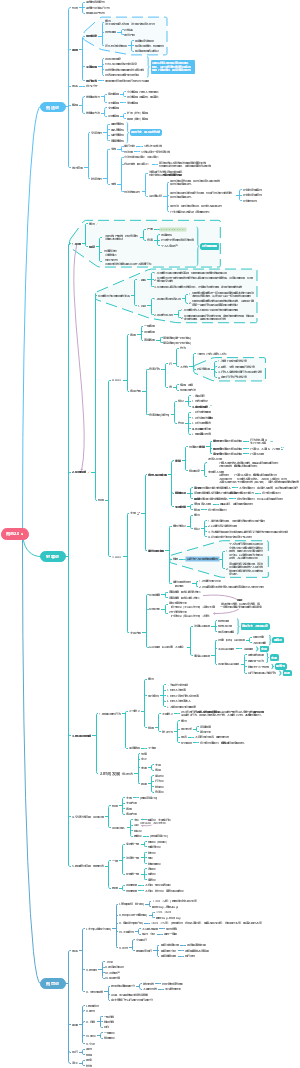
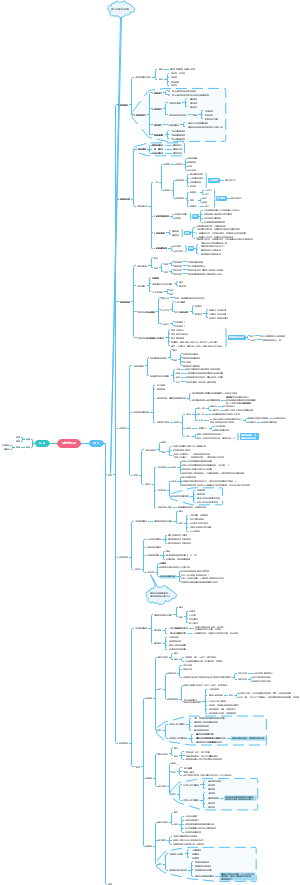
The Design of the Tax system
A Financial Overview of the U.S. Government
The Federal Government
Receipts
the individual income tax.
the corporate income tax
excise taxes
Spending
transfer payments
health program
national defense
State and Local Governments
Receipts
sales taxes
property taxes
Spending
education
health programs
Conclusion: The Trade-off between Equity and Efficiency
Taxes and Efficiency
An efficient tax system is one that imposes small deadweight losses and small administrative burdens
deadweight losses
The deadweight losses that result when taxes distort the decisions that people make
administrative burdens
The administrative burdens that taxpayers bear as they comply with the tax laws
average tax rate
total taxes paid divided by total income
marginal tax rate
the amount that taxes increase from an additional dollar of income
Lump-Sum Taxes
a tax that is the same amount for every person
Taxes and Equity
The Benefits Principle
the idea that people should pay taxes based on the benefits they receive from government services
The Ability-to-Pay Principle
the idea that taxes should be levied on a person according to how well that person can shoulder the burden
vertical equity
the idea that taxpayers with a greater ability to pay taxes should pay larger amounts
proportional tax
a tax for which high income and low-income taxpayers pay the same fraction of income
regressive tax
a tax for which highincome taxpayers pay a smaller fraction of their income than do lowincome taxpayers
progressive tax
a tax for which highincome taxpayers pay a larger fraction of their income than do lowincome taxpayers
horizontal equity
the idea that taxpayers with similar abilities to pay taxes should pay the same amount
Tax Incidence and Tax Equity
Public goods and Common Resources
Property of goods
排他品 excludability
the property of a good whereby a person can be prevented from using it
竞争品 rivalry in consumption
the property of a good whereby one person’s use diminishes other people’s user
Kinds of Goods
私人产品 private goods
goods that are both excludable and rival in consumption
公共物品 public goods
goods that are neither excludable nor rival in consumption
National Defense
Basic Research
Fighting Poverty
大众资源 common resources
goods that are rival in consumption but not excludable
Clean Air and Water
Congested Roads
Fish, Whales, and Other Wildlife
公共产品 club goods
goods that are excludable but not rival in consumption
free rider
a person who receives the benefit of a good but avoids paying for it
Conclusion: The Importance of Property Rights
The problems we considered in these chapters arise in many different markets, but they share a common theme. In all cases, the market fails to allo- cate resources efficiently because property rights are not well established. That is, some item of value does not have an owner with the legal authority to control it. For example, although no one doubts that the “good” of clean air or national defense is valuable, no one has the right to attach a price to it and profit from its use. A factory pollutes too much because no one charges the factory for the pollution it emits. The market does not provide for national defense because no one can charge those who are defended for the benefit they receive. When the absence of property rights causes a market failure, the government can potentially solve the problem. Sometimes, as in the sale of pollution permits, the solution is for the government to help define prop- erty rights and thereby unleash market forces. Other times, as in restricted hunting seasons, the solution is for the government to regulate private behavior. Still other times, as in the provision of national defense, the solu- tion is for the government to use tax revenue to supply a good that the mar- ket fails to supply. In all cases, if the policy is well planned and well run, it can make the allocation of resources more efficient and thus raise economic well-being.

Externalities
the uncompensated impact of oneperson’s actions on the well-being of a bystander
Positve Externalities
the impact is beneficial
Negative Externalities
the impact on the bystander is adverse
internalizing the externality
altering incentives so that people take account of the external effects of their actions
Public Policies
Command-and-Control Policies
Command-and-control policies regulate behavior directly
Market-based policies
provide incentives so that private decision makers will choose to solve the problem on their own.
Corrective Taxes and Subsidies
Taxes enacted to deal with the effects of negative externalitiesb are called corrective taxes. They are also called Pigovian taxes after economist Arthur Pigou (1877–1959), an early advocate of their use. An ideal corrective tax would equal the external cost from an activity with negative externalities, and an ideal corrective subsidy would equal the external benefit from an activity with positive externalities.
Tradable Pollution Permits
pollution permits. A market to trade these permits will eventually develop, and that market will be governed by the forces of supply and demand. The invisible hand will ensure that this new market allocates the right to pollute efficiently. That is, the permits will end up in the hands of those firms that value them most highly, as judged by their willingness to pay. A firm’s willingness to pay for the right to pollute, in turn, will depend on its cost of reducing pollution: The more costly it is for a firm to cut back on pollution, the more it will be willing to pay for a permit.