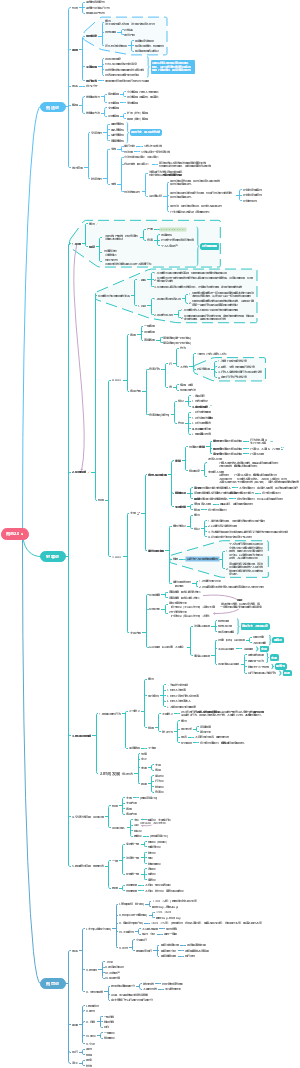
导图社区 Unit 1 An Introduction
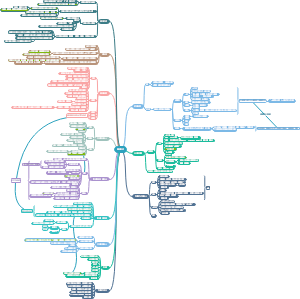
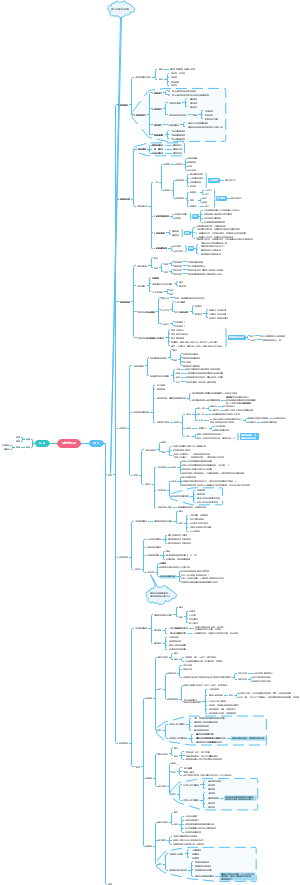
关于Unit 1 An Introduction的思维导图,主要内容有l.warm-up cases、ll.What ls Culture?、llI. What ls Communication等。
Unit4 Verbal Communication:Objectives、Warm-up cases、Detailed Study、Summary
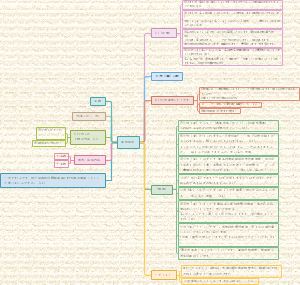
这是一篇关于Unit2 Daily Verbal Communication(I)的思维导图,主要内容有l. Warm-up casesll. Detailed Study.Case study金IV. Summary。
社区模板帮助中心,点此进入>>
英语词性
法理
刑法总则
【华政插班生】文学常识-先秦
【华政插班生】文学常识-秦汉
文学常识:魏晋南北朝
【华政插班生】文学常识-隋唐五代
【华政插班生】文学常识-两宋
民法分论
日语高考動詞の活用
Unit 1 An Introduction
I.warm-up cases
Case1:Showing concern
In China
In the West
Case2: First Offer
Why take Intercultural Communication
The purpose
The objectives
The reasons
Development of Science &Technology
Globalization of Economy
Widespread Immigration
Development of Multiculturalism
International Communication
Interracial Communication
Interethnic Communication or minority communication
II.What Is Culture?
1.Define cultures yourself
2.Definitions of Culture
3.Elements of Culture
4. Characteristics of Culture
1)Culture is shared.
2) Culture is learned.
3) Culture is based on symbols.
4)Culture is integrated (综合的) .
5) Culture is subjective to change.
6)Culture is ethnocentric[,eθnəu'sentrik](民族中心主义的;种族优越感的)
7)Culture is adaptive(适应的).
III. What Is Communication
Definition of Communication
Basic aspects to Communication
Elements of communication
Mode of Communication
Forms of Communication
Verbal communication
Non-verbal communication
Kinds of Non-Verbal Language
Mass Communication
Characteristics of communication
Communication is dynamic
Communication is interactive
Communication is irreversible
Communication is contextual
IV.What Is Intercultural Communication
1.Intercultural Communication Defined
Forms of Intercultural communication
International communication
Interracial communication
Interethnic communication
Intracultural communication
2.Model of Intercultural Communication
Elements of Intercultural communication
Perceptions
Verbal processes
Nonverbal processes
Contextual elements
3.Barriers in Intercultural Communication
Language differences
Nonverbal communication
Stereotypes (刻板印象)
Cultural bias(偏见) on judgments
High level of stress
V. The Differences between chinese and western cultures
1.The attitudes by foreigners towards Chinese People
2.The attitudes by Chinese towards Westerners
3.Man and Nature
4.The way of life
Individual vs Group
The way of making comments
Direct vs Indirect
Punctuality
On time vs Late
Personal Relationship
Simple vs Complex
Standing in a queue
Line vs Fan
Walking in a street on weekends
A few vs a crowd
Time for a shower
In the morning vs in the evening
Daily life of old people
With a dog vs with a child
Voice of talking in public
Low vs high
Idea of oneself
Individual-centered vs group-centered
Leadership
Equal vs power
Family
Education
Attitudes and ideas
Colors
Summary