导图社区 Introduction to Management
Introduction to Management:Development、Team Building and Decision-making Skills、Plan and Planning、Leading and Motivation……
社区模板帮助中心,点此进入>>
英语词性
法理
刑法总则
【华政插班生】文学常识-先秦
【华政插班生】文学常识-秦汉
文学常识:魏晋南北朝
【华政插班生】文学常识-隋唐五代
【华政插班生】文学常识-两宋
民法分论
日语高考動詞の活用
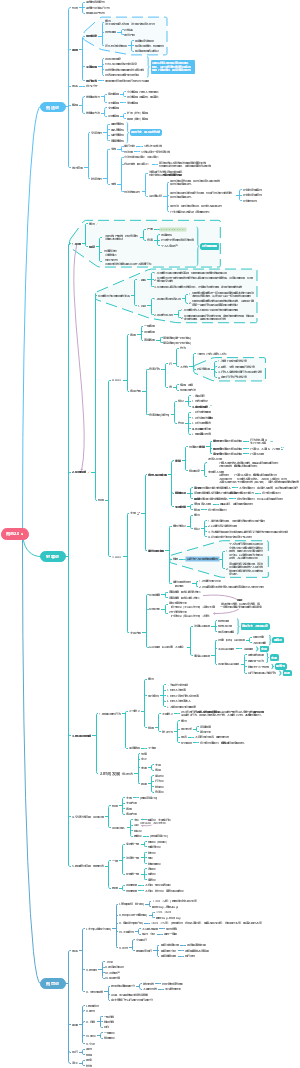
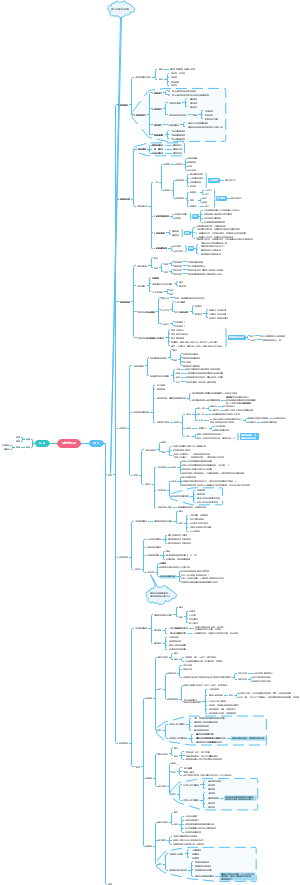
Introduction to Management
Development
Management in China
Management ideology
legalism(法家)
daoism(道家)
confucianism(儒家)
Management in Western
theories
classical management theories
scientific management theory
general administrative theory
Henri Fayol
Max Weber
contemporary management theories
Theory Z
Total quality management
Team Building and Decision-making Skills
Team
Definition
Team management(p.36)
Decision
Process
Types of Problems(p.39)
Structured problems
Unstructured problems
Approaches
Brainstorming approach
hard problems
The OODA Loop Approach
Plan and Planning
Planning
Definition(p.46)-dynamic
Importance
Characteristics-unity, continuity, accuracy, flexibility
Steps
Strategies
Plan
Types
Levels and Forms
Types of Budgets(p.51)
SWOT, Five Forces Model, Business-level, corporate level, Synergy.
Leading and Motivation
Leadership
Definition(p.99)
Styles
Autocratic
Free-Rein
Participative
Motivating Employees
Definition(p.104)
Source
Theories
Taylor,
Hawthorne
Maslow-Hierarchy of Needs
Physiological
safety
social
Esteem
Self-Actualization
Herzberg-Two-factor(p.107)
Hygiene factors
Motivators
McGregor
Theory X
Theory Y-Employees are willing to work and prefer more responsbility
Equity Theory
Reinforcement Theory
HRM
Major activities
Staffing
Acquiring
Deploying
Retaining
Hiring, Training and Evaluating Employees
H.R planning
Forecasting
The differences between job specification and job description
Job Analysis
Recruiting
Internal Promotions
External Promotions
Opportunity
Federal Laws
Diversity
Age, gender, race, ethnicity and so on
Benefit: innovative, interaction, labor pool
Compensation
Compensation package
Employee benefits
Mandatory benefits
Voluntary benefits
Financial and Non-financial
Employee Skills
Evaluating
Multiple criteria
Good evaluation
After evaluation
Controlling
System
Output control
Behavior control
Clan control
What to control
Finance, capital, time, market, product, quality, quantity, people, production and so on
Purpose
Feedforward Control
Concurrent Control
Feedback control
Concerns
Stability
Objective realization
Measuring actual performance
Comparing against standard
Taking Managerial action
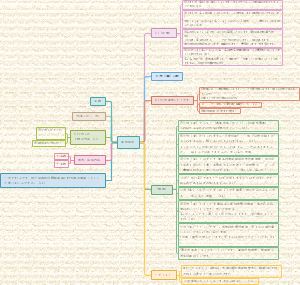
Management and Managers
Management
functions
planning
organizing
leading
levels
top
middle
lower
Managers
responsibilities
successful
skills
Conceptual skills-top level
Human skills-middle level
Technical skills-Lower level
p.19~p.25