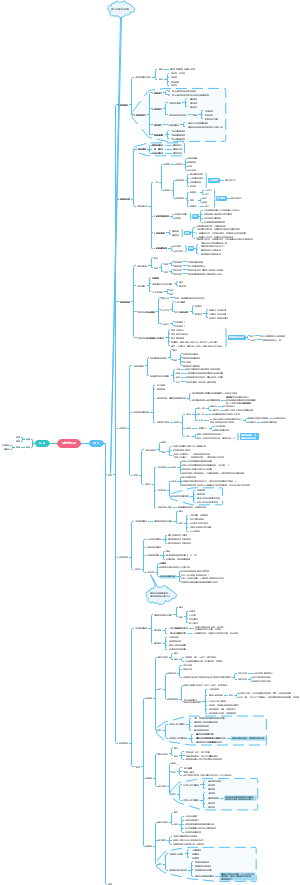
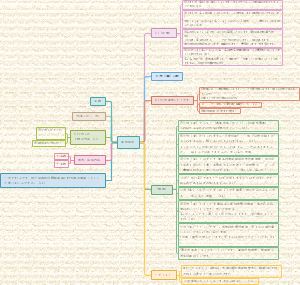
简单的历史大纲:reason:Due to the king (Charles I) granted monopolies,he afflicted the capitalist class as a whole and the demands for a new government increased。
In 1264,some commoners were called to the Privy Council
effect :the modern idea of a representative parliament emerged
In the 14th-15th
The Hunderd Year'War
The Wars of the Roses
In 1485-1603
The House of Tudor
Transition to the Modern Age
The Reformation
reason
conflict between the Roman Catholic Church and the king of England
outcome
In 1534,Henry Viii issued the Act of Supremacy
The Civil Wars
In 1642,the first Civil War broke out
In 1649,Charles I escaped and the Civil War broke out again
In 1651,Cromwell destroyed Charles II's army and governed as a republic
In 1660,Richard decided to restore Charles II to the throne of England.This put an end to the Commonwealth
reason:Due to the king (Charles I) granted monopolies,he afflicted the capitalist class as a whole and the demands for a new government increased
Restoration and the Glorious Revolution
In 1661,Charles tried to restore the old social
In 1685,James II wanted to reestablish Catholicism
In 1688,James II fled France,a new parliament declared the throne vacant and appointed William and Mary joint sovereigns..this was called the Glorious Revolution
In 1689,Parliament passed the Bill of Rights
The Industrial Revolution
Place:took root in Britain
Time:from the middle of 18th century to the middle of 19th century
reason:huge market,wealth and the enclosure movement
effect:
Its industrial productivity increased dramatically.
The country also underwent a process of mass urbanization.
The Industrial Revolution also created changes in the social class structure.
The Rise and Fall of the Britain Empire
Formation of the Empire
In 1583,the Britain Empire began
The Victorian Age
The mid-19th century,consolidated the existing colonies
Britain in the World War(In the 20th century)
imperialsm
two camps
the Central Powers(同盟国)
The Allies(协约国)
World War I
reason:the conflict on the Balkan Peninsula
In 1914,World War I broke out
outcome: the Allies is the winner
In 1919,the treaty of versailles
In 1929-1933,the great depression
World War II
whichi was a continuation of World War I
Britain won the war,but at great costs
The Fall of the Empire
outcome of the World War II:most of Britain's colonies demanded and fought for independence
Britain Since World War II
Britain became the one of the Big Three
the foreign policy of "Three Majestic Circles"
In 1949,joining the NATO.
In 1957,refusing join the EEC
Since the 1960s,placing emphasis on trade
Mrs.Margaret Thatcher(1925-2013)reestablished the relationship with the US
Tony Blair pursed a more positive policy toward Europe