导图社区 专升本英语核心知识点
- 176
- 2
- 1
- 举报
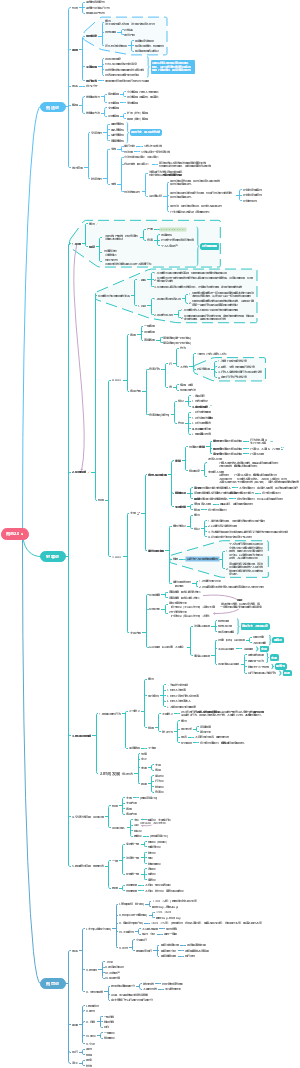
专升本英语核心知识点
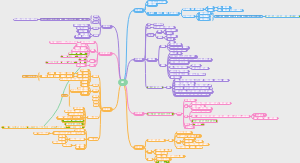
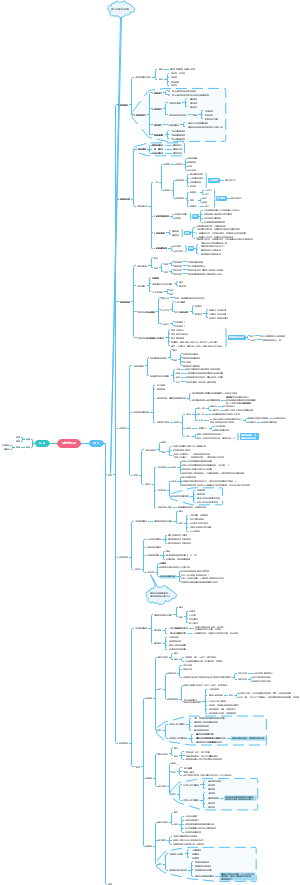
这是一篇关于专升本英语核心知识点的思维导图,主要内容包括:1. 语音知识,2. 词汇知识,3. 词法 (Parts of Speech),4. 句法 (Sentence Structure),5. ⏰ 动词时态 (Tenses),6. 被动语态 (Passive Voice),7. 虚拟语气 (Subjunctive Mood),8. 特殊句。
提示: 本内容由社区用户上传并分享。平台不对内容的真实性、合法性、知识产权归属及是否侵害第三方权利进行事前审核或保证。本内容可能包含受版权保护的图片、字体或其他第三方素材,使用前请自行确认授权范围。
- 知识点整理
- 专升本

- Hermes CLI详细命令解释
这是一篇关于Hermes CLI详细命令解释思维导图,探索Hermes CLI的强大功能,一键解锁高效工作流!在软件开发与系统管理领域,CLI(命令行界面)命令的高效使用对于提升工作效率、实现自动化操作至关重要。Hermes CLI作为特定场景下的命令行工具,其丰富多样的命令需要系统梳理和准确理解,此模板正是为满足这一需求而设计。核心功能: 1. 智能命令:支持74个技能命令,如/githubpr-workflow管理PR流程、/whisper语音翻译、/arxiv搜索论文,快速完成特定任务 2. 便捷操作:粘贴图片(Alt V)、多行输入(Alt Enter),交互更灵活 3. 系统管理:配置、会话、插件控制(/plugins、/reload-mcp)一应俱全,4. 即聊即用:直接输入消息对话,或通过/exit退出程序,Hermes CLI将工具与AI技能整合,助你精准执行每一步!"对于开发者,该模板有助于快速掌握Hermes CLI命令,在开发过程中实现高效交互;技术爱好者可通过其深入了解工具功能,满足探索需求;相关从业人员能借助模板提升工作操作的准确性和效率。
- 从道,法,术,器,势五个方面建立思考模型
这是一篇关于从道,法,术,器,势五个方面建立思考模型思维导图,AI思维模型:从道法术器势掌控未来。“在风口上,猪都能飞起来但若看不清风停后的地形(道法术器),摔死的也是猪”掌握“势”是决胜关键它像风,顺之则昌。模板围绕道、法、术、器、势五个维度展开深入剖析。“道”阐述核心本质与内在规律,为思考提供根本方向;“法”聚焦规则与策略,是遵循“道”的具体准则;“术”涉及方法与技巧,是实现目标的操作手段;“器”代表工具与资源,为行动提供支撑;“势”则强调趋势与环境,把握大势方能顺势而为。通过详细的分支内容,对每个维度进行细致解读,并结合实际案例和应用场景,帮助使用者更好地理解和运用这一思考模型。对于企业管理者,它有助于制定长远战略、优化管理流程、合理配置资源;创业者可以借助其洞察市场趋势、把握创业方向、制定有效的商业策略;战略规划者能利用它进行全面的形势分析和战略布局;渴望提升思维能力的个人则可通过学习这一模型,提升自己在工作、学习和生活中的思考深度与决策水平。该模板以直观的图形化方式呈现复杂的知识体系,使使用者能够快速理清各要素之间的关系,便于记忆与应用。借助万兴脑图软件绘制此模板,助力轻松掌握从道、法、术、器、势五个方面建立思考模型的方法。
- 2026 年全国统一类考试时间线排序
这份2026年全国统一类考试时间线排序思维导图模板,是备考2026年各类考试的考生、关注考试动态的教育从业者以及为考试做规划的学生家长的实用宝典。在考试种类繁多、时间分布广泛且备考时间紧张的情况下,清晰掌握全年考试关键节点对于合理安排备考计划、高效利用时间至关重要,此模板正是助力用户精准把握考试节奏的得力工具。模板围绕2026年全国重要考试时间线展开,按照月份有序排列,涵盖了从3月到12月的各类关键考试。3 - 4月有各省公务员省考联考笔试、全国计算机等级考试(NCRE)上半年、教师资格证上半年笔试、英语专八以及统招专升本笔试;5月有护士执业资格考试、卫生专业技术资格(初/中级)、初级会计职称等考试;6月迎来高考、英语四六级、医师资格实践技能考试等重要节点;下半年更是考试密集期,9 - 12月包含国考、法考、教资、考研、CPA、软考等众多重磅考试。每个考试项目都清晰标注,让使用者对全年考试安排一目了然。对于备考考生,它能帮助其提前规划备考时间,合理分配学习精力,避免错过重要考试;教育从业者可以借助它及时了解考试动态,为学生提供准确的考试信息指导;学生家长则可通过它为孩子的考试做好规划和支持。该模板以直观的图形化方式展示考试时间线,使复杂的考试安排变得清晰易懂,便于用户快速获取所需信息。
专升本英语核心知识点
社区模板帮助中心,点此进入>>
- Hermes CLI详细命令解释
这是一篇关于Hermes CLI详细命令解释思维导图,探索Hermes CLI的强大功能,一键解锁高效工作流!在软件开发与系统管理领域,CLI(命令行界面)命令的高效使用对于提升工作效率、实现自动化操作至关重要。Hermes CLI作为特定场景下的命令行工具,其丰富多样的命令需要系统梳理和准确理解,此模板正是为满足这一需求而设计。核心功能: 1. 智能命令:支持74个技能命令,如/githubpr-workflow管理PR流程、/whisper语音翻译、/arxiv搜索论文,快速完成特定任务 2. 便捷操作:粘贴图片(Alt V)、多行输入(Alt Enter),交互更灵活 3. 系统管理:配置、会话、插件控制(/plugins、/reload-mcp)一应俱全,4. 即聊即用:直接输入消息对话,或通过/exit退出程序,Hermes CLI将工具与AI技能整合,助你精准执行每一步!"对于开发者,该模板有助于快速掌握Hermes CLI命令,在开发过程中实现高效交互;技术爱好者可通过其深入了解工具功能,满足探索需求;相关从业人员能借助模板提升工作操作的准确性和效率。
- 从道,法,术,器,势五个方面建立思考模型
这是一篇关于从道,法,术,器,势五个方面建立思考模型思维导图,AI思维模型:从道法术器势掌控未来。“在风口上,猪都能飞起来但若看不清风停后的地形(道法术器),摔死的也是猪”掌握“势”是决胜关键它像风,顺之则昌。模板围绕道、法、术、器、势五个维度展开深入剖析。“道”阐述核心本质与内在规律,为思考提供根本方向;“法”聚焦规则与策略,是遵循“道”的具体准则;“术”涉及方法与技巧,是实现目标的操作手段;“器”代表工具与资源,为行动提供支撑;“势”则强调趋势与环境,把握大势方能顺势而为。通过详细的分支内容,对每个维度进行细致解读,并结合实际案例和应用场景,帮助使用者更好地理解和运用这一思考模型。对于企业管理者,它有助于制定长远战略、优化管理流程、合理配置资源;创业者可以借助其洞察市场趋势、把握创业方向、制定有效的商业策略;战略规划者能利用它进行全面的形势分析和战略布局;渴望提升思维能力的个人则可通过学习这一模型,提升自己在工作、学习和生活中的思考深度与决策水平。该模板以直观的图形化方式呈现复杂的知识体系,使使用者能够快速理清各要素之间的关系,便于记忆与应用。借助万兴脑图软件绘制此模板,助力轻松掌握从道、法、术、器、势五个方面建立思考模型的方法。
- 2026 年全国统一类考试时间线排序
这份2026年全国统一类考试时间线排序思维导图模板,是备考2026年各类考试的考生、关注考试动态的教育从业者以及为考试做规划的学生家长的实用宝典。在考试种类繁多、时间分布广泛且备考时间紧张的情况下,清晰掌握全年考试关键节点对于合理安排备考计划、高效利用时间至关重要,此模板正是助力用户精准把握考试节奏的得力工具。模板围绕2026年全国重要考试时间线展开,按照月份有序排列,涵盖了从3月到12月的各类关键考试。3 - 4月有各省公务员省考联考笔试、全国计算机等级考试(NCRE)上半年、教师资格证上半年笔试、英语专八以及统招专升本笔试;5月有护士执业资格考试、卫生专业技术资格(初/中级)、初级会计职称等考试;6月迎来高考、英语四六级、医师资格实践技能考试等重要节点;下半年更是考试密集期,9 - 12月包含国考、法考、教资、考研、CPA、软考等众多重磅考试。每个考试项目都清晰标注,让使用者对全年考试安排一目了然。对于备考考生,它能帮助其提前规划备考时间,合理分配学习精力,避免错过重要考试;教育从业者可以借助它及时了解考试动态,为学生提供准确的考试信息指导;学生家长则可通过它为孩子的考试做好规划和支持。该模板以直观的图形化方式展示考试时间线,使复杂的考试安排变得清晰易懂,便于用户快速获取所需信息。
- 相似推荐
- 大纲

专升本英语核心知识点
1. 语音知识
一、音标系统(48个国际音标)
1. 元音(20个)
单元音(12个)
前元音:
/i:/(如 sheep)、/ɪ/(如 ship)、/e/(如 bed)、/æ/(如 cat)
中元音:
/ɜ:/(如 bird)、/ə/(如 about)
后元音:
/ɑ:/(如 car)、/ʌ/(如 cup)、/ɔ:/(如 door)、/ʊ/(如 book)、/u:/(如 food)
双元音(8个)
合口双元音:
/eɪ/(如 day)、/aɪ/(如 time)、/ɔɪ/(如 boy)、/aʊ/(如 now)、/əʊ/(如 go)
集中双元音:
/ɪə/(如 here)、/eə/(如 bear)、/ʊə/(如 tour)
2. 辅音(28个)
爆破音:
/p/(pen)、/b/(book)、/t/(top)、/d/(dog)、/k/(cat)、/g/(go)
摩擦音:
/f/(fish)、/v/(voice)、/θ/(think)、/ð/(this)、/s/(sun)、/z/(zoo)、/ʃ/(shop)、/ʒ/(vision)、/h/(hat)
破擦音:
/tʃ/(chat)、/dʒ/(judge)、/tr/(tree)、/dr/(dress)、/ts/(cats)、/dz/(beds)
鼻音:
/m/(man)、/n/(no)、/ŋ/(sing)
舌侧音:
/l/(like)
半元音:
/w/(we)、/j/(yes)
二、音节与重读规则
1. 音节划分
单音节词:
一个元音构成(如 cat)。
多音节词:
以元音为核心划分(如 student → student)。
2. 开音节与闭音节
开音节:
以元音字母结尾或辅音+不发音e结尾(如 no, name),元音发字母本音(a→/eɪ/)。
闭音节:
以辅音结尾(如 map),元音发短音(a→/æ/)。
3. 重音规则
单词重音:
双音节词:
通常第一个音节重读(如 teacher),但前缀词(如 be、re)第二个音节重读(如 believe)。
多音节词:
倒数第三音节常重读(如 difficult)。
句子重音:
实词(名词、动词)重读,虚词(介词、冠词)轻读(如 **I love learning English)。
三、元音与辅音字母组合发音规则
1. 元音字母组合
ai/ay:
/eɪ/(rain, day),非重读时可能发/ɪ/(如 captain)。
ar:
重读时发/ɑ:/(car),在 w/qu 后发/ɔ:/(war)。
ea:
/i:/(tea)或/e/(bread),特殊发音如 great(/eɪ/)。
oo:
/u:/(moon)或/ʊ/(book),在 k 前发/ʊ/(如 cook)。
th:
清辅音/θ/(think)或浊辅音/ð/(this)。
2. 辅音字母组合
ch:
/tʃ/(church)或/ʃ/(machine)。
ph:
/f/(phone)。
sh:
/ʃ/(shop)。
tion/sion:
/ʃən/(nation)或/ʃn/(expression)。
四、特殊语音现象
1. 不发音字母
b:
climb, debt。
h:
hour, honest。
w:
write, wrong。
2. 连读与失爆
连读:
辅音+元音连读(如 not at all → /nɒ tə tɔːl/)。
失爆:
爆破音后接相同或相似爆破音时,前音不爆破(如 si(t) down → /sɪd aʊn/)。
3. 语调规则
降调:
陈述句、祈使句(如 She is a student.)。
升调:
一般疑问句(如 Are you ↗ready?)。
五、考试题型与备考策略
1. 高频题型
辨音题:
选出划线部分发音不同的单词(如 A. past B. fast C. grandson D. reason → 答案 D,ea 发/ə/)。
规则应用题:
判断单词重音或字母组合发音(如 noun → /naʊn/)。
2. 备考技巧
分类记忆:
按发音规则整理单词表(如 tion 结尾发/ʃən/)。
真题训练:
分析历年真题,总结易错点(如 th 的清浊区分)。
模仿跟读:
通过听力材料纠正发音,强化语感。
六、易错点与突破方法
1. 元音混淆:
如 æ(cat)与 e(bed)的区分,可通过口型练习强化。
2. 辅音连缀:
如 str(street)需快速连读,避免吞音。
3. 不规则发音:
如 Wednesday 中 d 不发音,需单独记忆。
2. 词汇知识
一、词汇构成体系
1. 词根词缀法
前缀
否定类:
un(unhappy)、non(nonstop)、dis(dislike)
方向类:
sub(subway)、super(supermarket)、trans(transport)
程度类:
over(overcome)、under(underestimate)、out(outstanding)
后缀
名词后缀:
tion(action)、ment(development)、er(teacher)
形容词后缀:
able(comfortable)、less(hopeless)、ful(beautiful)
词根
spect(看):
inspect(检查)、spectator(观众)、prospect(前景)
port(携带):
transport(运输)、import(进口)、support(支持)
struct(建造):
construct(建造)、destruction(破坏)、reconstruct(重建)
2. 合成法
名词+名词:
classroom(教室)、sunlight(阳光)
形容词+名词:
blackboard(黑板)、greenhouse(温室)
动词+副词:
breakdown(故障)、standby(备用)
3. 转化法
名词→动词:
water(水→浇水)、book(书→预订)
形容词→动词:
clean(干净的→清洁)、empty(空的→倒空)
二、词汇分类与核心考点
1. 基础词汇(3500词)
高频动词:
achieve(实现)、affect(影响)、consider(考虑)
重点名词:
advantage(优势)、consequence(后果)、evidence(证据)
常用形容词:
essential(必要的)、significant(重要的)、various(多样的)
2. 学术词汇
学科相关:
生物学:
biology(生物学)、photosynthesis(光合作用)
经济学:
economy(经济)、investment(投资)
逻辑连接词:
therefore(因此)、however(然而)、furthermore(此外)
3. 易混词辨析
近义词:
affect(影响,动词) vs. effect(影响,名词)例:The weather affects my mood. / The effect of the weather is obvious.
rise(上升,不及物) vs. raise(提高,及物)例:The sun rises. / He raised his hand.
形近词:
adapt(适应) vs. adopt(采用)例:Animals adapt to climate change. / We adopted a new method.
principal(校长;主要的) vs. principle(原则)例:The principal reason is obvious. / He follows strict principles.
三、词汇记忆策略
1. 词根词缀联想法
例:
bio(生命) → biology(生物学)、biography(传记)
phobia(恐惧) → claustrophobia(幽闭恐惧症)、hydrophobia(恐水症)
2. 语境记忆法
阅读应用:
通过文章记忆单词,如阅读科技类文章积累 innovation(创新)、experiment(实验)
例句记忆:
The government should implement stricter policies to protect the environment.(implement:实施)
3. 艾宾浩斯遗忘曲线复习
复习周期:
第1天、第2天、第7天、第30天循环复习高频词表
工具辅助:
使用单词卡或APP(如Quizlet)记录生词并定期测试
四、考试高频题型与应对
1. 词汇选择题
考点:
近义词辨析、固定搭配
例:
He is known for his ______(generous/generously) donations.(答案:generous)
2. 完形填空
技巧:
通过上下文推测词义,关注逻辑连接词(如 however 表转折)
3. 翻译与写作
应用:
使用高级词汇替换简单词
例:
important → crucial;good → excellent
五、易错点与突破
1. 一词多义:
address:
地址(n.) / 演讲(v.) / 解决(v.)
2. 拼写混淆:
separate(分开) 常拼错为 seperate
3. 发音干扰:
through(穿过) /θruː/ vs. tough(困难的) /tʌf/
六、推荐学习资源
教材配套:
专升本核心词汇手册(含3500词+例句)
工具类:
欧路词典(内置专升本词库)、百词斩(图像记忆)
3. 词法 (Parts of Speech)
一、词性分类与用法详解
1. 名词 (Noun)
一、名词分类与细分
1. 专有名词
定义:
特定人、地、机构名称,首字母大写。
分类:
人名:
Tom, Alice
地名:
Beijing, the Great Wall
机构名:
the UN, Harvard University
国籍/民族:
Chinese, Japanese(单复数同形)
特殊用法:
姓氏复数表家族(如 the Greens 表示格林一家)
2. 普通名词
个体名词(可数)
定义:
可单独计数的具体事物。
复数规则:
一般加"s":book → books
"s/x/ch/sh" 结尾加"es":bus → buses, box → boxes
"y" 结尾:变"y" 为"i" 加"es"(如 city → cities)
"o" 结尾:
"es":tomato, potato
"s":photo, piano(例外)
集体名词(可数/不可数)
常见词:
family, team, police, class
单复数用法:
视为整体用单数:The team is strong.
强调成员用复数:The team are discussing.
物质名词(不可数)
定义:
无法分割的物质(如 water, air)。
可数化:
加量词(如 a piece of paper, two cups of coffee)
抽象名词(不可数)
定义:
概念、情感(如 love, happiness)。
可数化:
特定语境下表种类(如 two victories, three difficulties)
3. 特殊名词
复合名词:
复数规则:
主体名词变复数(如 passerby → passersby)。
含"man/woman" 的复合词:
man doctor → men doctors
外来词复数:
analysis → analyses, phenomenon → phenomena, criterion → criteria
二、名词的数与复数变化
1. 规则复数
直接加"s":
cats, desks
"s/x/ch/sh" 结尾加"es":
glasses, watches
辅音字母 +"y" 结尾:
story → stories
"f/fe" 结尾:
leaf → leaves(例外:proof → proofs)
"o" 结尾:
"es":tomato, potato
"s":photo, piano(例外)
2. 不规则复数
完全变化:
child → children, foot → feet
单复数同形:
sheep, deer, fish
3. 特殊复数意义
单复数同形但含义不同:
paper(纸,不可数) → papers(论文,可数)
fish(鱼,单复数同形) → fishes(不同种类鱼)
仅复数形式的名词:
trousers, glasses, clothes
三、名词所有格
1."'s" 所有格
适用对象:
有生命的人或物。
规则:
单数名词:
Tom’s book
复数名词:
以"s" 结尾加"'"(teachers’ office)
,否则加"’s"(children’s toys)
时间/距离所有格:
today’s newspaper, ten minutes’ walk
2."of" 所有格
适用对象:
无生命的事物或抽象概念。
结构:
the cover of the book, the color of the sky
3. 双重所有格
结构:
"of" +"’s" 所有格 / 代词性物主代词。
用法:
强调部分与整体:
a friend of my father’s(父亲众多朋友中的一个)
避免重复:
a picture of Tom’s(汤姆的某张照片)
四、易混淆名词辨析
1. 可数 vs. 不可数
advice(不可数) vs. suggestion(可数)
:three advices → :three pieces of advice
:three suggestions
work(不可数,表“工作”) vs. job(可数,表“职位”)
:I have a job.
:Work is important.
2. 单复数同形
fish(单复数同形) vs. fishes(不同种类鱼)
Chinese(单复数同形) vs. Germans(复数)
3. 特殊复数形式
clothes(衣服,复数) vs. cloth(布料,不可数)
goods(货物,复数) vs. good(好的,形容词)
五、高频考点与易错点
1. 不规则复数变化
必考词:child → children, tooth → teeth, mouse → mice
易错词:analysis → analyses, phenomenon → phenomena
2. 所有格与介词搭配
所属关系:the roof of the house(不可用 the house’s roof)
时间表达:three days’ leave(三天假期)
3. 不可数名词量化
常见量词:
a piece of advice, two cups of tea
a pair of shoes, a set of keys
4. 集体名词单复数
视为整体:The police is searching.
强调成员:The police are arguing.
六、案例强化
1. 复合名词复数
motherinlaw(岳母) → mothersinlaw
grownup(成年人) → grownups
2. 所有格应用
所属机构:China’s economy(中国的经济)
双重所有格:a friend of my father’s(父亲的朋友之一)
3. 不可数名词误用
:three informations → :three pieces of information
:two furnitures → :two pieces of furniture
2. 动词 (Verb)
一、动词的分类
动词是英语句子的核心谓语成分,按语义功能与结构特征可分为五大类:
1. 实义动词(Notional Verbs)
定义:
有实际动作意义的动词,能独立作谓语。
细分:
及物动词(VT):
必须带宾语才能表达完整意思(如:buy a book, eat an apple)。
不及物动词(VI):
无需宾语即可表达完整意思(如:sleep, go, arrive)。
兼类动词:
既可作及物也可作不及物(如:study English[及物], study hard[不及物])。
2. 系动词(Linking Verbs)
定义:
无实际动作,用于连接主语与表语(描述主语状态、性质)。
常见类型:
状态系动词:
be(am/is/are)、seem、appear。
感官系动词:
look(看起来)、sound(听起来)、smell(闻起来)、taste(尝起来)、feel(感觉)。
变化系动词:
become(变得)、get(变得)、turn(变成)、grow(成长)。
注意:
系动词后接表语(名词、形容词、介词短语等),如:She is a teacher.(名词);The food smells delicious.(形容词)。
3. 助动词(Auxiliary Verbs)
定义:
无实际意义,辅助主要动词构成时态、语态、疑问/否定句。
常见助动词:
be(构成进行时、被动语态):
She is reading a book.(进行时);The window is broken.(被动)。
have(构成完成时):
I have finished my homework.
do(构成疑问、否定、强调):
Do you like coffee?;He doesn’t play football.;I do love you.(强调)。
4. 情态动词(Modal Verbs)
定义:
表示说话人的语气或态度(可能性、必要性、请求、许可等),后接动词原形。
常见情态动词
:can(能)、could(能,委婉)、may(也许)、might(也许)、must(必须)、shall(将要)、should(应该)、will(将)、would(愿意)、ought to(应该)。
特殊用法:
can’t表示“不可能”(如:He can’t be at home.);
mustn’t表示“禁止”(如:You mustn’t smoke here.);
needn’t表示“不必”(如:You needn’t come early.)。
5. 短语动词(Phrasal Verbs)
定义:
动词与介词/副词组合而成的固定短语,意义常与原动词不同。
常见结构:
动词+介词:
look after(照顾)、look at(看)、listen to(听)。
动词+副词:
give up(放弃)、turn on(打开)、put off(推迟)。
动词+副词+介词:
look forward to(期待)、get rid of(摆脱)。
注意:
介词/副词后的宾语如果是代词,需用宾格并放在中间(如:turn it on,而非turn on it)。
二、动词的时态 (11种核心时态)
时态用于表达动作发生的时间(过去、现在、将来)与状态(进行、完成),专升本重点考查完成时、进行时、将来时及时态对比。
1. 一般现在时
结构:
主语+动词原形(三单+s/es)。
用法:
表示经常性、习惯性动作(如:I go to school every day.);
表示客观真理或普遍事实(如:The sun rises in the east.);
表示按规定、计划进行的动作(如:The train leaves at 8 a.m.)。
2. 一般过去时
结构:
主语+动词过去式(规则动词+ed,不规则动词需记忆,如:went, ate)。
用法:
表示过去某个时间发生的动作或存在的状态(如:She visited her grandparents last week.)。
3. 一般将来时
结构:
will/shall+动词原形(shall用于第一人称);
be going to+动词原形(表示“打算、预测”);
be to+动词原形(表示“计划、安排”);
be about to+动词原形(表示“即将”)。
用法:
表示将来要发生的动作或存在的状态(如:I will call you tomorrow.)。
4. 现在进行时
结构:
主语+am/is/are+现在分词(Ving)。
用法:
表示说话时刻正在进行的动作(如:She is reading a book now.);
表示现阶段正在进行的动作(如:He is working on a project this month.);
与always/constantly连用,表示厌烦、赞赏(如:He is always complaining.)。
5. 过去进行时
结构:
主语+was/were+现在分词(Ving)。
用法:
表示过去某一时刻或某段时间内正在进行的动作(如:She was watching TV at 8 p.m.yesterday.)。
6. 现在完成时
结构:
主语+have/has+过去分词。
用法:
表示过去发生的动作对现在造成的影响或结果(如:I have finished my homework.);
表示从过去开始一直持续到现在的动作或状态(常与for/since连用,如:She has lived here for 5 years.);
表示曾经经历的事情(如:Have you ever been to Paris?)。
注意:
非延续性动词(如leave, arrive, buy)不能与for/since连用,需转换为延续性动词(如:buy→have, leave→be away)。
7. 过去完成时
结构:
主语+had+过去分词。
用法:
表示过去的过去(即某一动作发生前已经完成的动作,如:When I arrived at the station, the train had left.)。
8. 将来完成时
结构:
主语+will have+过去分词。
用法:
表示到将来某一时间为止已经完成的动作(如:By the end of next year, I will have graduated.)。
9. 现在完成进行时
结构:
主语+have/has been+现在分词(Ving)。
用法:
表示从过去开始一直持续到现在且可能继续下去的动作(如:She has been studying English for 3 hours.)。
10. 过去完成进行时
结构:
主语+had been+现在分词(Ving)。
用法:
表示过去某一时间开始一直持续到另一过去时间的动作(如:He had been waiting for 2 hours when she arrived.)。
11. 过去将来时
结构:
主语+would+动词原形(或was/were going to+动词原形)。
用法:
表示从过去某一时间看将要发生的动作(如:He said he would come tomorrow.)。
三、动词的语态 (主动语态与被动语态)
1. 主动语态:
主语是动作的执行者(如:She writes a letter.)。
2. 被动语态:
主语是动作的承受者,结构为be+过去分词。
常见时态的被动语态:
一般现在时:am/is/are+过去分词(The book is read by many students.);
一般过去时:was/were+过去分词(The window was broken by Tom.);
一般将来时:will be+过去分词(The project will be finished next week.);
现在进行时:am/is/are being+过去分词(The house is being built.);
现在完成时:have/has been+过去分词(The work has been done.)。
注意:
只有及物动词才有被动语态;
主动句中的宾语变为被动句的主语;
主动句中的谓语动词变为“be+过去分词”;
主动句中的主语变为被动句的by短语(可省略)。
四、非谓语动词 (不定式、动名词、分词)
非谓语动词是动词的非谓语形式,不能独立作谓语,但可作主语、宾语、表语、定语、状语、宾语补足语。
1. 不定式(to do)
结构
:to+动词原形(如:to read, to write)。
特点:
表示将来或目的。
用法:
作主语:To learn English is useful.(可转换为It is useful to learn English.);
作宾语:She wants to go home.(只接不定式作宾语的动词:want, hope, decide, plan等);
作定语:I have a lot of work to do.(不定式与被修饰名词有逻辑上的动宾关系);
作状语:He studies hard to pass the exam.(表目的)。
省略to的情况:
“三使
make, let, have;
五看
see, watch, look at, observe, notice;
两听
hear, listen to;
一感觉”
feel)
后的宾语补足语中,to可省略(如:She made me laugh.)。
2. 动名词(doing)
结构:
动词+ing(如:reading, writing)。
特点:
表示抽象、一般性动作。
用法:
作主语:Reading aloud is helpful.;
作宾语:She enjoys dancing.(只接动名词作宾语的动词:enjoy, finish, avoid, suggest等);
作表语:Her hobby is collecting stamps.;
作定语:a swimming pool(表示用途)。
3. 分词(现在分词/过去分词)
现在分词(doing):
表示主动、进行(如:The girl singing is my sister.);
过去分词(done):
表示被动、完成(如:The book written by him is popular.);
用法:
作定语:The sleeping baby is cute.(现在分词);The broken window needs to be repaired.(过去分词);
作表语:The movie is exciting.(现在分词,修饰物);She is excited.(过去分词,修饰人);
作状语:Walking in the street, I met an old friend.(现在分词,表时间);Seen from the hill, the city looks beautiful.(过去分词,表被动);
作宾语补足语:I saw him playing basketball.(现在分词,表主动、进行);I heard my name called.(过去分词,表被动、完成)。
五、情态动词的重点用法
情态动词后接动词原形,主要表示语气或态度,常见情态动词的特殊用法如下:
1. can/could
表示能力(can:现在;could:过去):She can swim.;
表示请求许可(较委婉):Could I use your phone?;
表示可能性(can:有时;could:可能):It can’t be true.;
could还可表示过去的能力(如:When I was young, I could run fast.)。
2. may/might
表示可能性(may:有可能;might:可能性较小):It may rain tomorrow.;
表示请求许可(正式):May I come in?;
might还可表示委婉的建议(如:You might try again.)。
3. must
表示必须(主观义务):You must finish your homework.;
表示肯定的推测(一定):He must be at home.(因为灯亮着);
mustn’t表示禁止:You mustn’t smoke here.。
4. shall
用于第一人称,表示将来(如:I shall return next week.);
用于第二、三人称,表示警告、命令、允诺(如:You shall obey the rules.)。
5. should/ought to
表示应该(义务):You should study hard.;
表示推测(应该会):The train should arrive soon.;
should还可表示惊讶、遗憾(如:It’s strange that he should say that.)。
6. will/would
will表示意愿(如:I will help you.);
would表示过去将来(如:He said he would come.);
would还可表示委婉的请求(如:Would you pass me the salt?)。
7. need
作情态动词时,仅用于否定句、疑问句(如:You needn’t come early.;Need I finish it now?);
作实义动词时,后接to do(如:I need to go home.)。
8. dare
作情态动词时,常用于否定句、疑问句(如:I dare not go out alone.;Dare you swim in the river?);
作实义动词时,后接to do(如:He dares to fight against the bad guys.)。
六、易混淆动词辨析
1. stop doing vs. stop to do
stop doing:停止正在做的事情(如:He stopped talking.);
stop to do:停下来去做另一件事(如:He stopped to talk to me.)。
2. remember doing vs. remember to do
remember doing:记得做过某事(已做)(如:I remember seeing her before.);
remember to do:记得要做某事(未做)(如:Remember to call me tomorrow.)。
3. forget doing vs. forget to do
forget doing:忘记做过某事(已做)(如:I forgot giving you the book.);
forget to do:忘记要做某事(未做)(如:I forgot to buy milk.)。
4. regret doing vs. regret to do
regret doing:后悔做过某事(已做)(如:I regret telling him the secret.);
regret to do:遗憾要做某事(未做,常用于告知坏消息)(如:I regret to tell you that you failed.)。
5. try to do vs. try doing
try to do:努力去做某事(强调努力)(如:I tried to open the door, but it was locked.);
try doing:尝试做某事(看看效果)(如:Try turning the key, maybe it will work.)。
6. mean to do vs. mean doing
mean to do:打算做某事(有意图)(如:I mean to study abroad next year.);
mean doing:意味着做某事(无意图)(如:Missing the train means waiting for another hour.)。
7. can’t help to do vs. can’t help doing
can’t help to do:不能帮助做某事(如:I can’t help to carry the box.);
can’t help doing:情不自禁做某事(如:I can’t help laughing at his joke.)。
8. go on to do vs. go on doing
go on to do:继续做另一件事(如:After finishing his homework, he went on to read a book.);
go on doing:继续做同一件事(如:He went on working until midnight.)。
七、高频考点与易错点
1. 时态易错点
现在完成时与一般过去时的区别:
现在完成时强调对现在的影响(如:I have lost my key.——现在没钥匙);
一般过去时强调过去的动作(如:I lost my key yesterday.——只是陈述过去的事)。
过去完成时的标志:
by/before+过去时间(如:By the end of last year, he had learned 1000 words.)。
2. **非谓语动词
3. 形容词 (Adjective)
一、形容词的核心概念
形容词是英语中描述事物性质、特征或状态的一类词,主要功能是修饰名词或代词,回答“什么样的?”“怎样的?”等问题。
“a beautiful flower”(一朵美丽的花)中,“beautiful”描述花的性质;“the tall boy”(那个高个子男孩)中,“tall”描述男孩的特征。
二、形容词的主要分类
1. 性质形容词(可分级)
表示事物的具体性质或特征,有比较级和最高级变化,能用程度副词(如very, quite)修饰。
big(大的)、small(小的)、happy(高兴的)、difficult(困难的)、important(重要的)。
2. 叙述形容词(表语形容词)
只能作表语(跟在系动词后),无比较级和最高级,不能用程度副词修饰。常见以a开头,
afraid(害怕的)、asleep(睡着的)、alive(活着的)、alone(独自的)、ill(生病的)。
3. 复合形容词
由两个或多个词组合而成,用连字符连接,作定语修饰名词。
wellknown(著名的)、goodlooking(好看的)、hardworking(勤奋的)、twoyearold(两岁的)、threemeterlong(三米长的)。
4. 派生形容词
通过前缀或后缀从名词、动词派生而来。
常见后缀:ful(careful, careful)、ous(dangerous, dangerous)、y(rainy, rainy)、able(comfortable, comfortable)、ive(active, active); 前缀:un(unhappy, unhappy)、in(incorrect, incorrect)、dis(dislike, dislike)。
三、形容词的句法功能
1. 作定语(最核心功能)
放在名词前修饰名词,表示事物的特征。
She has a red dress.(她有一条红裙子);
The tall building is our school.(那栋高楼是我们的学校)。
多个形容词修饰名词时,顺序为“限观形令色国材”
(限定词→描绘性→大小→形状→年龄→颜色→国籍→材料→用途)。
a beautiful small round old brown Chinese wooden table(一张漂亮的小的圆形的旧棕色的中国木制桌子)。
2. 作表语(跟在系动词后)
常见系动词:
be(是)、seem(似乎)、appear(显得)、become(变得)、get(变得)、feel(感觉)、look(看起来)、smell(闻起来)、sound(听起来)。
说明主语的状态或性质。
The soup smells delicious.(汤闻起来很香);
He became a famous doctor.(他成为了一名著名的医生);
The weather is getting colder.(天气变得更冷了)。
3. 作宾语补足语放在宾语后,
补充说明宾语的状态。
We keep our classroom clean.(我们保持教室干净);
She found the book interesting.(她发现这本书很有趣);
His success made him happy.(他的成功让他开心)。
4. 作状语(较少见)修饰动词,
表示动作的方式或状态。
He walked slowly into the room.(他慢慢地走进房间);
She spoke loudly so that everyone could hear her.(她大声说话以便每个人都能听见)。
四、形容词的比较级与最高级
1. 规则变化
单音节词/部分双音节词:
加er(比较级)、est(最高级)。
tall→taller→tallest;small→smaller→smallest;
以y结尾,y变i加er/est。
happy→happier→happiest
以不发音的e结尾:
加r(比较级)、st(最高级)。
nice→nicer→nicest;large→larger→largest。
以“辅音字母+y”结尾:
变y为i,加er/est。
heavy→heavier→heaviest;busy→busier→busiest。
以重读闭音节结尾(一个元音字母+一个辅音字母)
:双写辅音字母,加er/est。
big→bigger→biggest;hot→hotter→hottest;fat→fatter→fattest。
多音节词/部分双音节词:
加more(比较级)、most(最高级)。
beautiful→more beautiful→most beautiful; difficult→more difficult→most difficult; carefully→more carefully→most carefully。
2. 不规则变化部分形容词的比较级和最高级不遵循规则,需特殊记忆。
good/well→better→best; bad/ill→worse→worst; many/much→more→most; little→less→least; far→farther/further→farthest/furthest(farther表距离,further表程度)。
3. 比较级的用法
两者比较:
用“形容词比较级+than”结构,表示“A比B更……”。
Tom is taller than Jack.(汤姆比杰克高); This book is more interesting than that one.(这本书比那本更有趣)。
越……越……:
用“the+比较级,the+比较级”结构,表示“一方增长,另一方也随之增长”。
The more you read, the more knowledge you will get.(你读得越多,获得的知识就越多); The harder you work, the luckier you will be.(你工作越努力,就越幸运)。
越来越……:
用“比较级+and+比较级”结构,表示“程度逐渐加深”。
The weather is getting warmer and warmer.(天气变得越来越暖和); He becomes more and more confident.(他变得越来越自信)。
两者中最……:
用“the+比较级+of the two”结构,表示“两者中较……的一个”。
She is the taller of the two sisters.(她是两姐妹中较高的一个); This is the better of the two choices.(这是两个选择中较好的一个)。
4. 最高级的用法
三者及以上比较:
用“形容词最高级+of/in+范围”结构,表示“三者或三者以上中最……”。
He is the tallest in our class.(他是我们班最高的); This is the most beautiful flower in the garden.(这是花园里最漂亮的花)。
最……之一:
用“one of the+形容词最高级+复数名词”结构,表示“最……的之一”。
She is one of the most talented singers in China.(她是中国最有才华的歌手之一); This is one of the most important books I’ve ever read.(这是我读过的最重要的书之一)。
最高级前修饰语:
最高级前通常加定冠词the, 但可用物主代词(my, your)、 指示代词(this, that) 名词所有格(Tom’s)修饰, 此时不用the。
This is my best friend.(这是我最好的朋友); Tom’s favorite sport is basketball.(汤姆最喜欢的运动是篮球); Yesterday was the happiest day of my life.(昨天是我一生中最开心的一天)。
5. 比较级与最高级的修饰语
比较级:
用much, a little, far, even, still, a bit, a lot等修饰,表示程度。
It’s much colder today than yesterday.(今天比昨天冷得多); He is a little taller than his brother.(他比他哥哥稍高一点); This problem is far more difficult than that one.(这个问题比那个难得多)。
最高级:
用by far, far and away, much, almost, nearly等修饰,强调程度。
This is by far the best movie I’ve ever seen.(这无疑是我看过最好的电影); He is far and away the richest person in the town.(他无疑是镇上最富有的人); She is almost the most popular teacher in the school.(她几乎是学校里最受欢迎的老师)。
五、易混淆形容词辨析
1. old vs. elderly vs. aged
old:
普通的“老的”,可指人或物,无感情色彩。
My grandfather is 80 years old.(我爷爷80岁了); This is an old house.(这是一栋老房子)。
elderly:
指“上了年纪的”,含“尊敬”意味,多作定语。
The elderly need more care.(老年人需要更多照顾); An elderly man walked slowly across the street.(一位老人慢慢地走过马路)。
aged:
强调“年龄大的”,常作表语或后置定语。
He is aged 75.(他75岁了); The aged population is increasing.(老年人口正在增加)。
2. alone vs. lonely
alone:
形容词或副词,意为“独自的/地”,强调“没有陪伴”,无感情色彩。
He lives alone.(他独自生活); She went to the park alone.(她独自去了公园)。
lonely:
形容词,意为“孤独的”,强调“心理上的孤独感”,含感情色彩。
He felt lonely after his wife left.(妻子离开后,他感到孤独); The lonely old man sat by the fire.(那个孤独的老人坐在火炉旁)。
3. living vs. alive vs. lively
living:
形容词,意为“活着的”,作定语或表语,强调“生存状态”。
All living things need water.(所有生物都需要水); He is still living.(他还活着)。
alive:
形容词,意为“活着的”,作表语或后置定语,强调“未死亡”。
The fish is still alive.(鱼还活着); He is the only person alive in the accident.(他是事故中唯一活着的人)。
lively:
形容词,意为“活泼的、充满活力的”,作定语或表语,强调“有生气”。
She has a lively personality.(她性格活泼); The party was very lively.(派对非常热闹)。
4. ill vs. sick
ill:
形容词,意为“生病的”,作表语,不能作定语。
She is ill and can’t go to school.(她生病了,不能去上学); He looks ill.(他看起来病了)。
sick:
形容词,意为“生病的”,可作表语或定语。
He is sick in bed.(他卧病在床); The sick man needs a doctor.(那个病人需要医生); She has a sick child.(她有一个生病的孩子)。
5. good vs. well
good:
形容词,意为“好的”,作定语或表语。
She is a good student.(她是一个好学生); The food tastes good.(食物味道好)。
well:
副词,意为“好”,修饰动词;作形容词时,仅作表语,意为“健康的”。
He plays football well.(他足球踢得好); I’m not feeling well today.(我今天感觉不舒服)。
六、高频考点与易错点
1. 比较级与最高级的误用
错误:He is more taller than his brother.(more不能修饰以er结尾的比较级)
正确:He is taller than his brother.
错误:This is the most best movie I’ve ever seen.(best本身就是最高级,无需加most)
正确:This is the best movie I’ve ever seen.
2. 形容词作定语的位置
错误:I have a lot of informations.(information是不可数名词,无复数形式)
正确:I have a lot of information.
错误:She is a English teacher.(English以元音字母开头,用an)
正确:She is an English teacher.
3. 叙述形容词与性质形容词的混淆
错误:He is an afraid boy.(afraid是叙述形容词,不能作定语)
正确:He is a boy who is afraid of dogs.(用定语从句修饰)
错误:The asleep girl is my sister.(asleep是叙述形容词,不能作定语)
正确:The girl who is asleep is my sister.
4. 固定搭配的误用
错误:I’m very interesting in this book.(interesting描述事物,interested描述人)
正确:I’m very interested in this book.
错误:She is afraid with dogs.(afraid与of搭配)
正确:She is afraid of dogs.
4. 副词 (Adverb)
一、副词的核心定义
副词是英语中修饰动词、形容词、其他副词或全句的一类词,
主要功能是说明动作或状态的特征 (如时间、地点、方式、程度等),在句中多作状语。
“She sings beautifully.”(她唱得很美,“beautifully”修饰动词“sings”,说明唱歌的方式); “He is very tall.”(他非常高,“very”修饰形容词“tall”,说明程度); “Fortunately, he passed the exam.”(幸运的是,他通过了考试,“fortunately”修饰全句,说明事件的特征)。
二、副词的主要分类
1. 时间副词:
表示动作发生的时间或频率。
常见词:
now(现在)、then(那时)、 today(今天)、yesterday(昨天)、tomorrow(明天)、always(总是)、usually(通常)、often(经常)、sometimes(有时)、never(从不)、recently(最近)、already(已经)、yet(还,用于否定句)。
“I usually go to school at 7 a.m.”(我通常早上7点去学校); “She has already finished her homework.”(她已经完成了作业); “They will leave tomorrow.”(他们明天离开)。
2. 地点副词:
表示动作发生的地点或方向。
常见词:
here(这里)、there(那里)、 home(家)、abroad(国外) 、upstairs(楼上)、downstairs(楼下)、 outside(外面)、inside(里面) everywhere(到处)、nowhere(无处)。
“He lives abroad.”(他住在国外); “Please put the book upstairs.”(请把书放到楼上去); “There is nobody here.”(这里没有人)。
3. 方式副词:
表示动作发生的方式或状态,数量最多,多为形容词加“ly”构成(如carefully“小心地”、quickly“快速地”)。
常见词:
carefully(小心地)、quickly(快速地)、 slowly(慢慢地)、happily(开心地)、 angrily(生气地)、quietly(安静地)、 suddenly(突然地)、politely(礼貌地)、 bravely(勇敢地)、well(好)。
“She drove carefully on the icy road.”(她在结冰的路上小心地开车); “He solved the problem quickly.”(他快速地解决了问题); “The baby slept quietly.”(婴儿安静地睡着了)。
4. 程度副词:
表示动作或状态的程度,常修饰形容词或副词。
常见词:
very(非常)、too(太)、 quite(相当)、rather(相当)、 so(如此)、much(很)、 almost(几乎)、nearly(几乎) 、enough(足够)、extremely(极其)。
“This book is very interesting.”(这本书非常有趣); “He runs too fast for me to catch up.”(他跑得太快,我追不上); “She is quite good at math.”(她相当擅长数学); “I have almost finished my work.”(我几乎完成了工作)。
5. 频度副词:
表示动作发生的频率,位于be动词/助动词后,实义动词前。
常见词:
always(总是,100%)、usually(通常,80%)、 often(经常,60%)、sometimes(有时,40%)、 seldom(很少,20%)、never(从不,0%)、 ever(曾经,用于疑问/否定句)、rarely(很少,几乎不)。
“He always gets up at 6 a.m.”(他总是早上6点起床); “She usually eats breakfast at home.”(她通常在家吃早餐); “I sometimes go shopping on weekends.”(我有时周末去购物); “He never smokes.”(他从不抽烟)。
6. 疑问副词:
用于构成特殊疑问句,询问时间、地点、方式等。
常见词:
when(何时)、where(何地)、 why(为什么)、how(如何/怎样)。
“When did you arrive?”(你什么时候到的?); “Where are you going?”(你要去哪里?); “Why didn’t you call me?”(你为什么不给我打电话?); “How do you usually go to school?”(你通常怎么去学校?)。
7. 连接副词:
连接句子或从句,
表示逻辑关系(因果、转折、递进等)。
常见词:
therefore(因此,表结果)、 however(然而,表转折)、 otherwise(否则,表条件)、 moreover(此外,表递进)、 then(然后,表时间)、 hence(因此,表结果)。
“It was raining; therefore, we stayed at home.”(下雨了,因此我们待在家里); “She was tired; however, she kept working.”(她累了,但她继续工作); “You should study hard; otherwise, you will fail the exam.”(你应该努力学习,否则你会考试不及格); “He is smart; moreover, he is hardworking.”(他聪明,而且勤奋)。
8. 关系副词:
引导定语从句,修饰先行词(表示时间、地点、原因等)。
常见词:
when(当……时候,修饰时间先行词)、 where(在……地方,修饰地点先行词)、 why(因为……原因,修饰原因先行词)。
“I still remember the day when I met you.”(我仍然记得我遇见你的那一天,“when”引导定语从句,修饰“the day”); “This is the place where we first met.”(这是我们第一次见面的地方,“where”引导定语从句,修饰“the place”); “Can you tell me the reason why he left?”(你能告诉我他离开的原因吗?“why”引导定语从句,修饰“the reason”)。
三、副词的句法功能
1. 作状语(最核心功能):
修饰动词、形容词、其他副词或全句。
修饰动词:
“She dances gracefully.”(她跳舞跳得很优雅,“gracefully”修饰动词“dances”);
修饰形容词:
“He is extremely smart.”(他极其聪明,“extremely”修饰形容词“smart”);
修饰其他副词:
“He runs too quickly.”(他跑得太快,“too”修饰副词“quickly”);
修饰全句:
“Fortunately, the weather improved.”(幸运的是,天气好转了,“fortunately”修饰全句)。
2. 作表语:
放在系动词后,说明主语的状态或特征(多为表示位置的副词)。
“The train is on time.”(火车准时到达了,“on time”作表语,说明“train”的状态); “School is over.”(放学了,“over”作表语,说明“school”的状态); “The lights are off.”(灯关了,“off”作表语,说明“lights”的状态)。
3. 作定语:
放在名词后,修饰名词(多为表示地点/时间的副词)。
“The people here are very friendly.”(这里的人非常友好,“here”作定语,修饰“people”); “The books on the shelf are mine.”(书架上的书是我的,“on the shelf”作定语,修饰“books”); “The meeting yesterday was boring.”(昨天的会议很无聊,“yesterday”作定语,修饰“meeting”)。
4. 作宾语补足语
:放在宾语后,补充说明宾语的状态(多为方式或方向)。
“I saw him go out.”(我看见他出去了,“go out”作宾语补足语,补充说明“him”的动作); “She asked me to come in.”(她让我进来,“come in”作宾语补足语,补充说明“me”的动作); “They found the door closed.”(他们发现门关着了,“closed”作宾语补足语,补充说明“the door”的状态)。
四、副词的比较级与最高级
1. 规则变化:
与形容词变化一致,分为三类。
单音节/部分双音节词:加“er”(比较级)、“est”(最高级)。
fast→faster→fastest; quick→quicker→quickest; slow→slower→slowest。
以“e”结尾:加“r”(比较级)、“st”(最高级)。
nice→nicer→nicest; late→later→latest; large→larger→largest。
以“辅音字母+y”结尾:变“y”为“i”,加“er”(比较级)、“est”(最高级)。
heavy→heavier→heaviest; easy→easier→easiest; happy→happier→happiest。
多音节/部分双音节词:加“more”(比较级)、“most”(最高级)。
beautiful→more beautiful→most beautiful; carefully→more carefully→most carefully; difficult→more difficult→most difficult。
2. 不规则变化:需单独记忆。
常见词: well→better→best;badly→worse→worst; much→more→most;little→less→least; far→farther/further→farthest/furthest( farther表距离,further表程度)。
“She runs faster than me.”(她比我跑得快,“faster”是比较级); “He is the best student in the class.”(他是班上最好的学生,“best”是最高级); “This problem is more difficult than that one.”(这个问题比那个难,“more difficult”是比较级); “He works the hardest in the team.”(他在团队里工作最努力,“hardest”是最高级)。
3. 比较级的用法:
两者比较:
用“形容词比较级+than”结构,表示“A比B更……”。
“Tom is taller than Jack.”(汤姆比杰克高); “This movie is more interesting than that one.”(这部电影比那部有趣)。
越……越……:
用“the+比较级,the+比较级”结构,表示“一方增长,另一方也随之增长”。
“The more you read, the more knowledge you will get.”(你读得越多,获得的知识就越多); “The harder you work, the luckier you will be.”(你工作越努力,就越幸运)。
越来越……:
用“比较级+and+比较级”结构,表示“程度逐渐加深”。
“The weather is getting warmer and warmer.”(天气变得越来越暖和);“He becomes more and more confident.”(他变得越来越自信)。
两者中最……:
用“the+比较级+of the two”结构,表示“两者中较……的一个”。
“She is the taller of the two sisters.”(她是两姐妹中较高的一个); “This is the better of the two choices.”(这是两个选择中较好的一个)。
4. 最高级的用法:
三者及以上比较:
用“形容词最高级+of/in+范围”结构,表示“三者或三者以上中最……”。
“He is the tallest in our class.”(他是我们班最高的); “This is the most beautiful flower in the garden.”(这是花园里最漂亮的花)。
最……之一:
用“one of the+形容词最高级+复数名词”结构,表示“最……的之一”。
“She is one of the most talented singers in China.”(她是中国最有才华的歌手之一); “This is one of the most important books I’ve ever read.”(这是我读过的最重要的书之一)。
最高级前修饰语:
最高级前通常加定冠词“the”, 但可用物主代词(my, your)、 指示代词(this, that) 或名词所有格(Tom’s)修饰,此时不用“the”。
“This is my best friend.”(这是我最好的朋友); “Tom’s favorite sport is basketball.”(汤姆最喜欢的运动是篮球); “Yesterday was the happiest day of my life.”(昨天是我一生中最开心的一天)。
五、易混淆副词辨析
1. already vs. yet
already:
用于肯定句,表示“已经”。
“I have already finished my homework.”(我已经完成了作业);
yet:
用于否定句句,表示“还(未)”。
“She hasn’t finished her homework yet.”(她还没有完成作业); “Have you finished your homework yet?”(你完成作业了吗?)。
2. too vs. either
too:
用于肯定句,表示“也”,放在句末。
“I like apples, and she likes apples too.”(我喜欢苹果,她也喜欢苹果);
either:
用于否定句,表示“也”,放在句末。
“I don’t like coffee, and she doesn’t like coffee either.”(我不喜欢咖啡,她也不喜欢咖啡)。
3. so vs. such
so:
修饰形容词/副词,结构为“so+形容词/副词+that从句”
“He is so tall that he can reach the ceiling.”(他如此高以至于能碰到天花板); “She runs so quickly that I can’t catch up with her.”(她跑得如此快以至于我追不上她);
such:
修饰名词,结构为“such+a/an+形容词+名词+that从句” 或“such+形容词+复数名词/不可数名词+that从句”。
“He is such a tall boy that he can reach the ceiling.”(他是如此高的男孩以至于能碰到天花板); “She has such beautiful flowers that everyone admires them.”(她有如此漂亮的花以至于每个人都羡慕它们); “It is such good news that we are all happy.”(这是如此好的消息以至于我们都很开心)。
4. hard vs. hardly
hard:
作副词时,表示“努力地/艰难地”。
“He works hard every day.”(他每天都努力工作); “The road is hard to walk on.”(这条路很难走);
hardly:
作副词时,表示“几乎不”,是否定词。
“He hardly ever goes to the movies.”(他几乎从不去看电影); “I can hardly hear you.”(我几乎听不见你说话)。
5. close vs. closely
close:
作副词时,表示“接近地/靠近地”(物理距离)。
“Stand close to me.”(站得离我近一点); “The cat is close to the mouse.”(猫离老鼠很近);
closely:
作副词时,表示“密切地/紧密地”(抽象意义)。
“Watch closely what I do.”(仔细看我做什么); “The police followed the suspect closely.”(警察密切跟踪嫌疑人)。
6. high vs. highly
high:
作副词时,表示“高高地”(物理高度)。
“The bird flew high in the sky.”(鸟儿在高空中飞翔); “The balloon went high up.”(气球飞得很高);
highly:
作副词时,表示“高度地/非常”(抽象意义)。
“He is highly respected by his students.”(他深受学生尊敬); “She spoke highly of his work.”(她高度评价他的工作)。
六、高频考点与易错点
1. 副词位置错误:
错误:“She very likes English.”(very不能修饰动词);
正确:“She likes English very much.”(very much修饰动词“likes”);
错误:“He is always late for school.”(always应放在be动词后);
正确:“He is always late for school.”(正确,always放在be动词“is”后)。
2. 比较级与最高级误用:
错误:“He is more taller than his brother.”(more不能修饰以“er”结尾的比较级);
正确:“He is taller than his brother.”(正确,直接用“er”比较级);
错误:“This is the most best movie I’ve ever seen.”(best本身就是最高级,无需加most);
正确:“This is the best movie I’ve ever seen.”(正确,best前不加the)。
3. 易混淆副词搭配:
错误:“I’m very interesting in this book.”(interesting描述事物,interested描述人);
正确:“I’m very interested
5. 代词 (Pronoun)
一、代词的核心概念
代词是代替名词或名词短语的词类,其主要功能是避免重复,使句子更加简洁流畅。
代词可替代人、事物、地点、时间、数量等,在句中可作主语、宾语、定语、表语等多种成分
“She loves music.”中“she”代替人作主语;
“I like the book.”中“the book”被“it”代替作宾语。
二、代词的主要分类及用法
1. 人称代词
人称代词
表示“我、你、他、我们、你们、他们”等,分为主格(作主语)和宾格(作宾语),且有单复数之分。
主格:
I(我)、you(你/你们)、he(他)、she(她)、it(它)、we(我们)、they(他们/她们/它们);
宾格:
me(我)、you(你/你们)、him(他)、her(她)、it(它)、us(我们)、them(他们/她们/它们)。
特殊规则
并列作主语时,I/me 通常放在后面(如:“Liping and I are classmates.” 而非“I and Liping”);
并列作宾语时,同样遵循此规则(如:“My mother told my sister and me to clean the room.”)。
2. 物主代词
物主代词
表示所有关系,分为形容词性物主代词(作定语,后接名词)和名词性物主代词(作主语、宾语、表语,相当于“形容词性+名词”)。
形容词性:
my(我的)、your(你的/你们的)、his(他的)、her(她的)、its(它的)、our(我们的)、their(他们的/她们的/它们的);
名词性
:mine(我的(东西))、yours(你的/你们的(东西))、his(他的(东西))、hers(她的(东西))、its(它的(东西))、ours(我们的(东西))、theirs(他们的/她们的/它们的(东西))。
“This is my book.”(形容词性,作定语); “Mine is a new book.”(名词性,作主语,相当于“My book”); “The book is hers.”(名词性,作表语,相当于“her book”)。
3. 反身代词
反身代词
表示“某人自己”,强调动作反射到主语本身,可作宾语、表语、同位语。
构成:
第一、二人称由“形容词性物主代词+self/selves”构成(myself 我自己、yourself 你自己、yourselves 你们自己);
第三人称由“宾格+self/selves”构成(himself 他自己、herself 她自己、itself 它自己、ourselves 我们自己、themselves 他们自己)。
用法案例:
作宾语:
“Please help yourself to some fruit.”(请随便吃些水果);
作表语:
“The boy is too young to look after himself.”(这个男孩太小,不能照顾自己);
作同位语:
“The desk itself is very heavy.”(这张桌子本身很重,强调“桌子”)。
4. 指示代词
指示代词
表示“这个、那个、这些、那些”等,用于指代或说明人或事物,有近指(this/these)和远指(that/those)之分。
单数
:this(这个,近指)、that(那个,远指);
复数:
these(这些,近指)、those(那些,远指);
特殊用法:
指代上文提到的事物(避免重复):
“The weather here is cold. That in Beijing is colder.”(这里的天气冷,北京的更冷,“that”指代“weather”);
电话用语中,“this”指自己,“that”指对方(如:“Hello, this is Tom. Is that Mary?”);
表示程度(相当于“这么/那么”):
“Is he always this busy?”(他总是这么忙吗?)。
5. 疑问代词
疑问代词
用于构成特殊疑问句,询问“谁、什么、哪个、谁的”等,可作主语、宾语、定语。
常见词:
who(谁,作主语/宾语,指人)、whom(谁,作宾语,指人)、 whose(谁的,作定语,指人或物)、what(什么,作主语/宾语,指物/事)、which(哪个/哪些,作主语/宾语,指人或物)。
“Who is your English teacher?”(who作主语,问“谁”); “Whom did you meet at the park?”(whom作宾语,问“谁”); “Whose book is this?”(whose作定语,问“谁的”); “What do you like?”(what作宾语,问“什么”); “Which one do you want?”(which作定语,问“哪个”)。
6. 不定代词
不定代词
指代不特定的人或事物,数量众多,需重点掌握其肯定/否定、可数/不可数的区别。
常见词及用法:
both/all:
both指“两者都”(可作主语、宾语、定语,如:“Both of them are students.”);
all指“三者及以上都”(可作主语、宾语、定语,如:“All of us like music.”);
either/neither:
either指“两者中任意一个”(肯定,如:“You can take either book.”);
neither指“两者中没有一个”(否定,如:“Neither answer is correct.”);
many/much:
many指“许多”,修饰可数名词复数(如:“Many students are here.”);
much指“许多”,修饰不可数名词(如:“Much water is wasted.”);
few/little/a few/a little:
few/a few指“可数名词”
few表否定“几乎没有”,
“Few people know him.”
a few表肯定“有一些”,
“A few friends visited me.”);
little/a little指“不可数名词”
little表否定“几乎没有”,
“Little time is left.”
a little表肯定“有一点”,
“A little milk is in the cup.”;
some/any:
some用于肯定句(如:“I have some apples.”);
any用于否定句句(如:“Do you have any questions?”),
但在表示请求或建议的疑问句中用some(如:“Would you like some coffee?”);
one/it/that/the one:
one泛指“同类事物中的一个”(如:“I have a pen. One is red, the other is blue.”);
it特指“上文提到的同一事物”(如:“I lost my pen. I’m looking for it.”);
that特指“同类事物中的另一个”(常接后置定语,如:“The weather in Beijing is colder than that in Shanghai.”);
the one特指“同类事物中的特定一个”(常接后置定语,如:“She likes the book on the desk, not the one on the chair.”)。
7. 关系代词
关系代词
引导定语从句,代替先行词(人或物),在从句中作主语、宾语或定语。
常见词:
who(指人,作主语)、whom(指人,作宾语)、whose(指人或物,作定语)、that(指人或物,作主语/宾语)、which(指物,作主语/宾语)、as(指人或物,作主语/宾语,常用于“such...as”“the same...as”结构)。
“The boy who is standing there is my brother.”(who作主语,指人); “The book that I bought is very interesting.”(that作宾语,指物); “The girl whose hair is long is my classmate.”(whose作定语,指人)。
8. 相互代词
相互代词
表示“相互、彼此”,强调动作在两者或多者之间进行,可作宾语或同位语。
常见词
each other(两者之间,如:“They help each other.”); one another(三者及以上之间,如:“We love one another.”);
同位语用法:
“They talked to each other for a long time.”(each other作同位语,强调“互相”)。
三、易混淆代词辨析
1. it/that/one:
it特指“上文提到的同一事物”(如:“I have a dog. It is cute.”);
that特指“同类事物中的另一个”(常接后置定语,如:“The population of China is larger than that of Japan.”);
one泛指“同类事物中的一个”(如:“I want a pen. One is enough.”)。
2. some/any:
some用于肯定句(如:“I have some money.”);
any用于否定句句(如:“I don’t have any money.”),但在表示请求或建议的疑问句中用some(如:“Can I have some water?”)。
3. few/little:
few修饰可数名词复数,表否定(如:“Few students came to the party.”);
little修饰不可数名词,表否定(如:“Little time is left for the exam.”)。
四、高频考点与易错点
1. it的用法:
作形式主语:
代替不定式、动名词或从句(如:“It is important to study English.”;“It takes me an hour to finish my homework.”);
作形式宾语:
代替不定式、动名词或从句(如:“I find it easy to learn English.”;“They think it necessary to protect the environment.”);
强调句:
“It is/was + 被强调部分 + that/who + 其他”(如:“It was Tom who helped me.”;“It is the book that I like.”)。
2. that与those的用法:
that指代不可数名词或可数名词单数(如:“The weather here is different from that in Beijing.”);
those指代可数名词复数(如:“The students in our class are more active than those in Class 2.”)。
3. one与the one的用法:
one泛指“同类事物中的一个”(如:“I want a new phone. One with a large screen is better.”);
the one特指“同类事物中的特定一个”(如:“I like the phone on the table, not the one on the chair.”)。
6. 介词 (Preposition)
一、介词的核心定义与结构
介词是
虚词,不能单独作句子成分,需与宾语(名词、代词或动名词)结合构成 介词短语,在句中作状语(修饰动词/形容词/副词)、表语(说明主语状态)、定语(修饰名词)或补语(补充说明主语/宾语)。
结构示例:
状语:
She arrived at the station at 8 a.m.(“at the station”修饰动词“arrived”,说明到达地点);
表语:
The book is on the desk.(“on the desk”说明主语“book”的位置);
定语:
The girl in red is my sister.(“in red”修饰名词“girl”,说明穿着);
补语:
We found the room in a mess.(“in a mess”补充说明宾语“room”的状态)。
二、介词的主要分类
1. 简单介词:
单个词构成的介词,是最常用的类型。
at(在……)、in(在……里)、on(在……上)、 by(通过/凭借)、with(用/和)、from(从……)、 to(到……)、for(为了)、about(关于)、 under(在……下)、above(在……上)、over(在……正上方)、 between(在……之间)等。
“I go to school by bike.”(我用自行车去学校,“by”是简单介词); “She sits on the chair.”(她坐在椅子上,“on”是简单介词)。
2. 短语介词:
由两个或以上单词构成的固定短语,功能相当于简单介词。
in front of(在……前面,外部)、because of(因为)、 instead of(代替)、out of(从……出来)、in spite of(尽管)、 due to(由于)、as for(至于)等。
“He stood in front of the door.”(他站在门前面,“in front of”是短语介词); “She didn’t go to school because of the rain.”(因为下雨她没去学校,“because of”是短语介词)。
3. 二重介词:
由两个介词组合而成,表示时间、地点或方向的延续或范围。
from...to...(从……到……)、from...until...(从……直到……)、until...after...(直到……之后)、after...before...(在……之后……之前)等。
“He worked from morning until night.”(他从早到晚工作,“from...until...”是二重介词); “She stayed here until after lunch.”(她待到午饭之后,“until after...”是二重介词)。
三、常见介词的用法与案例
1. 时间介词
at:
用于具体时间点或固定短语。
“I wake up at 6 a.m. every day.”(我每天早上6点起床,“at 6 a.m.”是具体时间点); “We have lunch at noon.”(我们中午吃午饭,“at noon”是固定短语)。
on:
用于具体某一天或具体某一天的早/中/晚。
“She went to the park on Sunday.”(她周日去了公园,“on Sunday”是具体某一天); “He had dinner on a rainy evening.”(他在一个雨天的晚上吃了晚饭,“on a rainy evening”是具体某一天的晚)。
in:
用于较长时间段(年、月、季节、世纪)或泛指早/中/晚。
“I was born in 2005.”(我2005年出生,“in 2005”是年份); “She likes to swim in summer.”(她夏天喜欢游泳,“in summer”是季节); “They go to school in the morning.”(他们早上上学,“in the morning”是泛指早)。
since:
用于过去某一时间点,表示“自从……以来”,常与完成时连用。
“He has lived here since 2020.”(他从2020年以来一直住在这里,“since 2020”是过去时间点)。
for:
用于一段时间,表示“持续……时间”,常与完成时连用。
“She has studied English for three years.”(她学英语三年了,“for three years”是一段时间)。
before:
用于过去或将来某一时间之前,表示“在……之前”。
“I finished my homework before dinner.”(我在晚饭前完成了作业,“before dinner”是过去时间之前)。
after:
用于过去或将来某一时间之后,表示“在……之后”。
“He went to bed after the movie.”(他在电影之后去睡觉了,“after the movie”是过去时间之后)。
2. 地点介词
at:
用于小地点(具体的点),如车站、门口、村庄等。
“She waits for me at the bus stop.”(她在公交车站等我,“at the bus stop”是小地点)。
in:
用于大地点(较大的范围),如城市、国家、房间等。
“He lives in Beijing.”(他住在北京,“in Beijing”是大地点); “The book is in the bag.”(书在包里,“in the bag”是范围之内)。
on:
用于表面,表示“在……上面”(与物体接触)。
“The book is on the table.”(书在桌子上,“on the table”是表面接触)。
under:
用于正下方,表示“在……下面”(直接接触)。
“The cat is under the chair.”(猫在椅子下面,“under the chair”是正下方)。
above:
用于上方(不一定是正上方),表示“在……之上”(不接触)。
“The plane is above the clouds.”(飞机在云层之上,“above the clouds”是上方不接触)。
over:
用于正上方(跨越),表示“在……正上方”(不接触)。
“There is a bridge over the river.”(河上有一座桥,“over the river”是正上方跨越)。
between:
用于两者之间,表示“在……和……之间”。
“The shop is between the bank and the supermarket.”(商店在银行和超市之间, “between the bank and the supermarket”是两者之间)。
among:
用于三者及以上之间,表示“在……之中”(强调混杂)。
“She is among her friends.”(她在朋友之中,“among her friends”是三者及以上)。
3. 方式介词
by:
表示方式、手段(交通工具、方法),意为“通过……”“用……”。
“I go to school by bus.”(我坐公交车去学校,“by bus”是交通工具); “He learned English by watching movies.”(他通过看电影学英语,“by watching movies”是方法)。
with:
表示工具、手段(具体工具或身体部位),意为“用……”。
“She writes with a pen.”(她用钢笔写字,“with a pen”是具体工具); “He opened the door with his hand.”(他用手工开了门,“with his hand”是身体部位)。
in:
表示语言、材料、方式,意为“用……(语言/材料)”。
“She speaks in English.”(她用英语说话,“in English”是语言); “The letter is written in ink.”(信是用墨水写的,“in ink”是材料)。
4. 原因介词
because of:
表示直接原因(具体的、已知的原因),后接名词/代词/动名词。
“He was late because of the traffic jam.”(他因为交通堵塞迟到了,“because of the traffic jam”是直接原因)。
because:
表示根本原因(详细的、解释性的原因),后接句子。
“He was late because he missed the bus.”(他因为错过了公交车迟到了,“because he missed the bus”是根本原因)。
thanks to:
表示幸运原因(多亏……),后接名词/代词。
“Thanks to your help, I passed the exam.”(多亏你的帮助,我通过了考试,“Thanks to your help”是幸运原因)。
5. 其他常见介词
of:
表示所属、材料、特征,意为“……的”“由……制成”。
“The color of the sky is blue.”(天空的颜色是蓝色的,“of the sky”是所属); “The table is made of wood.”(桌子是木头做的,“of wood”是材料)。
for:
表示目的、对象,意为“为了……”“给……”。
“This gift is for you.”(这个礼物是给你的,“for you”是对象); “He studies hard for a better future.”(他为了更好的未来努力学习,“for a better future”是目的)。
with:
表示伴随、具有,意为“带有……”“和……一起”。
“The girl with long hair is my sister.”(那个长头发的女孩是我妹妹,“with long hair”是伴随); “I went to the park with my friends.”(我和我的朋友去了公园,“with my friends”是一起)。
without:
表示没有,是“with”的反义词。
“He left without saying goodbye.”(他没说再见就走了,“without saying goodbye”是没有)。
四、易混淆介词辨析
1. in vs. on vs. at(时间)
in:
用于较长时间段(年、月、季节、世纪),
如“in 2024”(2024年)、“in May”(五月)、“in winter”(冬天);
on:
用于具体某一天或具体某一天的早/中/晚,
如“on July 10th”(7月10日)、“on a rainy morning”(一个雨天的早上);
at:
用于具体时间点或固定短语,
如“at 8 a.m.”(早上8点)、“at noon”(中午)、“at night”(晚上)。
2. besides vs. except
besides:
表示“除……之外(还有)”,包括后面的内容,
如“Besides English, he also studies French.”(除了英语,他还学法语,“他”学英语和法语);
except:
表示“除……之外(不包括)”,不包括后面的内容,
如“Everyone passed the exam except Tom.”(除了汤姆,每个人都通过了考试,“汤姆”没通过)。
3. between vs. among
between:
用于两者之间,强调“两者之间的关系”,
如“the difference between A and B”(A和B之间的区别);
among:
用于三者及以上之间,强调“混杂在……之中”,
如“He is among his classmates.”(他在同学之中)。
4. by vs. with vs. in(方式)
by:
表示方式、手段(交通工具、抽象方法),
如“by bus”(坐公交车)、“by reading”(通过阅读);
with:
表示具体工具或身体部位,
如“with a pen”(用钢笔)、“with his hands”(用手);
in:
表示语言、材料、方式,
如“in English”(用英语)、“in ink”(用墨水)。
5. like vs. as
like:
表示“像……一样”(相似),不是,
如“She sings like an angel.”(她唱得像天使一样,“她”不是天使);
as:
表示“作为……”(身份、角色),是,
如“He works as a teacher.”(他作为一名老师工作,“他”是老师)。
五、高频考点与易错点
1. 固定搭配的记忆:
介词常与动词、形容词形成固定搭配,需重点记忆。
动词+介词:
“look at”(看)、“listen to”(听)、“depend on”(依靠);
形容词+介词:
“afraid of”(害怕)、“interested in”(感兴趣)、“angry with”(生……的气);
名词+介词:
“key to”(……的关键)、“answer to”(……的答案)、“reason for”(……的原因)。
“She is afraid of snakes.”(她害怕蛇,“afraid of”是固定搭配); “The answer to the question is easy.”(这个问题的答案很简单,“answer to”是固定搭配)。
2. 介词与动词的搭配:
有些动词后必须接特定介词,否则语义不通。
“agree with sb.”(同意某人)、 “believe in sb.”(相信某人)、 “look forward to sth.”(期待某事)。 “I agree with you.”(我同意你,“agree with”是固定搭配);
“She looks forward to seeing you.”(她期待见到你,“look forward to”是固定搭配)。
3. 介词的省略:
在某些固定结构或习惯用法中,介词可省略。
“go to school”(去上学,省略“to”)、 “be at home”(在家,省略“to”)、
“write sb. a letter”(给某人写信,省略“to”)。 “I go to school every day.”(我每天去上学,“to”省略);“He is at home now.”(他现在在家,“to”省略)。
4. 介词与其他词类的混淆:
注意介词与副词、连词的用法区别。
“in”与“inside”:“
in”是介词,“inside”可作介词或副词(如“He is in the room.” vs “He went inside.”);
“on”与“onto”:
“on”是介词(表示状态),“onto”是介词(表示动作,到……上,如“He put the book on the desk.” vs “He threw the ball onto the bed.”)。
7. 连词 (Conjunction)
一、连词的核心定义
连词
是虚词(无实际词义、不能单独作句子成分),主要功能是连接词与词、短语与短语或句子与句子,体现逻辑关系(并列、因果、转折、选择等)。
例如:“I like apples and bananas.”(连接词)、“She is smart but lazy.”(连接分句)。
二、连词的主要分类
1. 并列连词(连接对等结构)
并列连词用于连接词性相同的成分(单词、短语或分句),表达并列、转折、选择或因果关系:
表并列:
连接语法地位相同的成分,无主次之分。
and(和,表顺承)、 both...and...(既……又……)、 not only...but also...(不但……而且……)、 neither...nor...(既不……也不……)、 as well as(也,表伴随)。
“She is both a teacher and a writer.”(连接两个名词,作表语);
“He can not only sing but also dance.”(连接两个动词短语,作谓语);
“Not only did he finish the work, but he also helped others.”(连接两个句子,not only位于句首时,前半句倒装)。
表转折:
连接语义相反或相对的成分,强调差异。
but(但是,表一般转折)、 however(然而,表强烈转折,后用逗号隔开)、 yet(然而,常用于句首或句末)、 while(然而,表对比,连接两个句子)。
“She is poor, but she is happy.”(连接两个分句,表转折);
“He studied hard; however, he still failed the exam.”(however后用逗号,表转折);
“I like tea, while he prefers coffee.”(连接两个句子,对比偏好)。
表选择:
连接可供选择的成分,表达“或此或彼”。
or(或,表选择)、 either...or...(要么……要么……)、 neither...nor...(既不……也不……)、 otherwise(否则,表后果)。
“You can choose either the red dress or the blue one.”(连接两个名词,表选择);
“Either you apologize, or I’ll leave.”(连接两个句子,表选择);
“Hurry up, otherwise you’ll miss the train.”(otherwise表“否则”,连接两个句子)。
表因果:
连接原因与结果,或补充说明理由。
so(所以,表结果)、 for(因为,表补充说明,语气较弱)。
“It was raining, so we stayed at home.”(连接两个句子,表因果);
“He must be at home, for the light is on.”(for补充说明“他在家”的理由)。
2. 从属连词(引导从句)
从属连词用于引导从句(主语从句、宾语从句、状语从句等),连接主句与从句,体现主从逻辑关系:
引导名词性从句
(主语、宾语、表语、同位语从句):
that(无实义,引导陈述性从句,可省略)、 whether/if(是否,引导疑问性从句)、 what/which/who(什么/哪个/谁,引导疑问性从句,作主语或宾语)。
“That he succeeded is no surprise.”(that引导主语从句,无实义);
“I wonder whether she will come.”(whether引导宾语从句,表“是否”);
“Tell me what you need.”(what引导宾语从句,作need的宾语)。
引导状语从句
(时间、条件、原因、让步、目的、结果、方式、比较从句):
时间状语从句
(表“当……时候”“在……之前/之后”): when(当……时候)、 while(当……时候,从句动作持续)、 as(当……时候,强调同步)、 before(在……之前)、 after(在……之后)、 since(自从)、until/till(直到)。
“I will call you when I arrive.”(when引导时间从句,表“当……时候”); “While he was reading, I was writing.”(while引导时间从句,从句动作持续); “She has lived here since 2020.”(since引导时间从句,从句用一般过去时,主句用现在完成时)。
条件状语从句
(表“如果”“假如”): if(如果)、unless(除非,=if not)、 as long as(只要)、on condition that(条件是)。
“If it rains tomorrow, we will cancel the trip.”(if引导条件从句,表假设); “You won’t pass the exam unless you study hard.”(unless引导条件从句,表“除非”)。
原因状语从句
(表“因为”): because(因为,表直接原因)、 since(既然,表已知原因)、 as(因为,表次要原因)。
“Because he was ill, he didn’t go to school.”(because引导原因从句,表直接原因); “Since you are here, let’s start.”(since引导原因从句,表已知原因)。
让步状语从句
(表“虽然”“尽管”) :although/though(虽然,尽管)、 even if/even though(即使,表更强让步)。
“Although it was cold, she wore a light dress.”(although引导让步从句,表“虽然”); “Even if he helps, we can’t finish it on time.”(even if引导让步从句,表“即使”)。
目的状语从句
(表“为了”“以便”): so that(以便,从句用can/could/may等情态动词)、 in order that(为了,从句用can/could/may等情态动词)、 in case(以防,表预防)。
“Speak clearly so that they can understand you.”(so that引导目的从句,表“以便”); “Take an umbrella in case it rains.”(in case引导目的从句,表“以防”)。
结果状语从句
(表“如此……以至于……”): so...that...(如此……以至于……,so后接形容词/副词)、 such...that...(如此……以至于……,such后接名词短语)。
“He is so kind that everyone likes him.”(so...that...引导结果从句,so后接形容词); “She is such a kind girl that everyone likes her.”(such...that...引导结果从句,such后接名词短语)。
方式状语从句
(表“像……一样”“按照”): as(像……一样)、as if/as though(好像,仿佛)。
“Do as I do.”(as引导方式从句,表“像……一样”); “He acts as if he were rich.”(as if引导方式从句,表“好像”,从句用虚拟语气)。
比较状语从句
(表“比……更”“和……一样”) :than(比,表比较)、as...as...(和……一样)、 not as/so...as...(不如……)。
“She is taller than me.”(than引导比较从句,表“比”); “He runs as fast as his brother.”(as...as...引导比较从句,表“和……一样”)。
三、易混淆连词辨析
and vs. or:
and表并列,连接对等的成分
(如:“I like apples and bananas.”);
or表选择,连接可供选择的成分
(如:“You can choose either tea or coffee.”);
or还可表“否则”
(如:“Hurry up, or you’ll be late.”)。
because vs. since vs. as:
because表直接原因(语气最强,回答why,
如:“Because he was ill, he didn’t come.”);
since表已知原因(语气次之,常用于句首,
如:“Since you are busy, I’ll go alone.”);
as表次要原因(语气最弱,
如:“As it was raining, we stayed at home.”)。
although vs. because:
although表让步(“虽然”,引导的从句不能与but连用,
如:“Although it was cold, she didn’t wear a coat.”);
because表原因(“因为”,引导的从句可与so连用
,如:“It was cold, so she wore a coat.”)。
so...that vs. such...that:
so...that...修饰形容词/副词
(如:“He is so kind that everyone likes him.”);
such...that...修饰名词短语
(如:“She is such a kind girl that everyone likes her.”)。
四、高频考点与注意事项
并列连词的就近原则:
not only...but also...、either...or...、neither...nor...连接两个主语时,谓语动词与邻近主语保持一致。
“Not only the students but also the teacher likes the movie.”(teacher是第三人称单数,谓语用likes);“Either you or I am right.”(I是第一人称,谓语用am)。
从属连词的时态呼应:
时间状语从句(when/while/since等)中,若主句用一般将来时,从句用一般现在时(表将来)。
“I will call you when he comes.”(从句用一般现在时,主句用一般将来时)。
固定搭配:
“not...until...”(直到……才……,如:“I didn’t go to bed until my mother came back.”);
“so...as to...”(如此……以至于……,如:“He is so kind as to help me.”);
“in order to...”(为了……,表目的,如:“She studies hard in order to pass the exam.”)。
8. 冠词 (Article)
一、冠词的核心定义与分类
冠词
是虚词(无实际词义、不能单独作句子成分),主要功能是限定名词的意义,分为两类:
1. 不定冠词:a/an(表“泛指”或“不确定”);
2. 定冠词:the(表“特指”或“已知”);
3. 零冠词:不使用冠词(表“泛指整体”或“固定用法”)。
二、不定冠词(a/an)的用法
不定冠词用于单数可数名词前,表示“一个”“某一个”或“一类”,核心规则如下:
1. 泛指单数人或物:
指代未明确说明的人或事物,强调“存在”。
“I saw a cat in the garden.”(花园里有一只猫); “She wants to buy an apple.”(她想买一个苹果)。
2. 表示“一”的数量:
相当于“one”,但更口语化。
“I need a cup of coffee.”(我需要一杯咖啡);“Wait a minute!”(等一下)。
3. 首次提及某人/物:
第一次引入话题时用a/an,再次提及用the。
“He gave me a book. The book is interesting.”(他给了我一本书,这本书很有趣)。
4. 表示职业/身份
:介绍某人的职业或身份时,用a/an。
“She is a teacher.”(她是一名老师); “He became an engineer.”(他成为了一名工程师)。
5. 固定搭配:
某些短语必须用a/an, 如“in a hurry”(匆忙)、 “have a cold”(感冒)、 “make a mistake”(犯错)。
“She is in a hurry to catch the bus.”(她匆忙赶公交车); “I have a cold today.”(我今天感冒了)。
6. a/an的选择规则:
a:
用于辅音音素开头的单词前 (注意是发音,不是字母)
。“a university”(/juː/,辅音开头)、 “a onetime offer”(/wʌn/,辅音开头)。
an:
用于元音音素开头的单词前。
“an hour”(/aʊ/,元音开头,h不发音)、 “an honest person”(/ɒ/,元音开头)。
三、定冠词(the)的用法
定冠词用于特指人或事物,核心规则如下:
1. 特指已知的人或物:
双方都知道或前文提过的事物,用the。
“Close the window.”(关那扇窗,双方都知道是哪扇); “Did you finish the homework?”(你完成那项作业了吗?前文提过)。
2. 序数词/最高级前:
表示“最……”或“第……”。
“This is the best movie I’ve ever seen.”(这是我看过最好的电影); “She is the first to arrive.”(她是第一个到的)。
3. 独一无二的事物:宇宙中唯一的事物,如天地、日月等。
“The sun is shining.”(太阳在照耀); “We live on the Earth.”(我们生活在地球上)。
4. 乐器前:
演奏乐器时,用the。
“He plays the piano.”(他弹钢琴); “She learns the violin.”(她学小提琴)。
5. 地理名称:
海洋、山脉、河流等专有地理名称前用the。
“The Pacific Ocean”(太平洋)、 “the Himalayas”(喜马拉雅山)、 “the Yangtze River”(长江)。
6. 形容词表一类人:
形容词变复数表示群体,如“富人”“穷人”。
“The rich should help the poor.”(富人应该帮助穷人); “The young are full of energy.”(年轻人充满活力)。
7. 双方已知的信息:
如“报纸、会议、条约”等专有名词前。
“Read the People’s Daily.”(读《人民日报》); “He attended the 15th Party Congress.”(他参加了第十五届党代会)。
四、零冠词的用法
零冠词即不使用冠词,核心规则如下:
1. 抽象/物质名词:
泛指抽象概念或物质时,不用冠词。
“Love is powerful.”(爱是强大的);“Water is essential.”(水是必需的)。
2. 复数/不可数名词泛指:
表示整体类别,而非单个事物。
“Cats are cute.”(猫很可爱);“Coffee keeps me awake.”(咖啡让我保持清醒)。
3. 专有名词:
大多数人名、地名不用冠词。
“Mary lives in Paris.”(玛丽住在巴黎); “China is a big country.”(中国是一个大国)。
例外:“the United States”(美国)、 “the United Nations”(联合国)等由普通名词构成的专有名词。
4. 日常高频词汇:
三餐、学科、语言、星期、季节前不用冠词。
“Have breakfast.”(吃早餐);“Study Physics.”(学物理); “Speak English.”(说英语);“See you on Monday.”(周一见); “Spring is coming.”(春天来了)。
5. 固定短语:
某些搭配必须用零冠词,
如“go to school”(上学)、“by car”(乘车)、 “on foot”(步行)。“She goes to school every day.”(她每天上学); “He goes to work by car.”(他开车上班);“ Let’s go for a walk on foot.”(让我们步行去散步)。
五、易错点对比与辨析
1. a/an vs the:
a/an:
泛指,首次提及(如:“I saw a dog in the park.”);
the:
特指,已知或再次提及(如:“The dog is mine.”)。
2. 零冠词 vs the:
零冠词:
泛指整体(如:“Students must work hard.”);
the:
特指具体对象(如:“The students in our class are active.”)。
3. 固定搭配中的冠词:
必须用a/an:
“take a taxi”(打车)、“have a rest”(休息);
必须用the:
“play the guitar”(弹吉他)、“read the book”(读这本书);
零冠词:
“go to bed”(睡觉)、“by bus”(乘公交)。
六、高频考点与注意事项
1. a/an的选择:
关键是发音,而非字母。例如:“an hour”(h不发音)、“a university”(/juː/是辅音开头)。
2. 定冠词的省略:
姓氏复数前用the表示一家人(如:“the Smiths”),但“Mr. Smith”前不用冠词。
3. 季节/月份前的冠词:
一般不用,但被限定时用(如:“in the winter of 2023”)。
4. 球类/棋类前:
不用冠词(如:“play football”、“play chess”),但乐器前用(如:“play the piano”)。
9. 数词 (Numeral)
一、数词的核心定义与分类
数词是表示数目多少或顺序次第的词类,是英语语法中的基础词性之一,可分为基数词(Cardinal Numbers)和序数词(Ordinal Numbers)两大类:
基数词:
用于表示数量的多少,如“one(一)、two(二)、hundred(百)”等;
序数词:
用于表示顺序的先后,如“first(第一)、second(第二)、third(第三)”等。
二、基数词的构成与用法
基数词是数词的基础类型,其构成规则需分场景记忆,用法涵盖日常交流、数学运算等多个场景:
1. 构成规则
112:
独立单词,需逐一记忆
(one, two, three, four, five, six, seven, eight, nine, ten, eleven, twelve);
1319:
以“teen”结尾(thirteen, fourteen, fifteen, sixteen, seventeen, eighteen, nineteen),注意“eighteen”拼写中“t”不省略;
2090(整十数):
以“ty”结尾(twenty, thirty, forty, fifty, sixty, seventy, eighty, ninety),注意“forty”拼写中无“u”;
几十几:
整十数+连字符+个位数(twentyone, fortyfive, ninetynine),连字符不可省略;
百及以上:“
几百”
用基数词+“hundred”(two hundred);“
几百几十几”
用“几百+and+几十几”(one hundred and twentythree);
“上千上万”
用“基数词+thousand/million/billion”(three thousand, five million),
此时hundred/thousand/million后不加“s”,也不与“of” 连用(若表示约数,需加“s”+“of”,如“hundreds of people”)。
2. 主要用法
作主语:
表示数量的主体(“Three of them are teachers.” 他们中有三人是老师);
作宾语:
动作的对象(“Please pass me the second book.” 请递给我第二本书);
作定语:
修饰名词(“The nine students are from different cities.” 这九名学生来自不同城市);
作表语:
位于系动词后,说明主语的数量(“Six plus four is ten.” 六加四等于十);
作同位语:
紧跟在基数词后,强调数量(“We four will join the party.” 我们四人将参加聚会,仅基数词可作同位语)。
3. 特殊场景用法
时间表达:
整点:
“6:00”读作“six (o’clock)”;
半小时:
“10:30”读作“half past ten”;
少于半小时:
“5:25”读作“twentyfive past five”;
超过半小时:
“9:45”读作“a quarter to ten”;
年龄表达:
具体年龄:
“He is ten years old.” 他十岁;
大概年龄:
“in his twenties” 在他二十多岁时;
年代表达:
“in the 1990s” 在二十世纪九十年代(注意“s”前加“the”);
编号表达:
事物名词+基数词(“Room 304” 304房间;“Bus No. 26” 26路公交车);
定冠词+序数词+事物名词(“the first floor” 一楼;“the Second World War” 第二次世界大战)。
三、序数词的构成与用法
序数词用于表示顺序,其构成规则需重点记忆特殊变化,用法侧重排名、优先级等场景:
1. 构成规则
13:
独立单词
(first, second, third);
419:
基数词+“th”
(fourth, fifth, sixth, seventh, eighth, ninth, tenth, eleventh, twelfth, thirteenth, fourteenth, fifteenth, sixteenth, seventeenth, eighteenth, nineteenth), 注意“fifth”(五)、“eighth”(八)、“ninth”(九)、“twelfth”(十二)的拼写变化;
2090(整十数):
基数词去“y”+“ieth”
(twentieth, thirtieth, fortieth, fiftieth, sixtieth, seventieth, eightieth, ninetieth);
几十几:
整十数用基数词,个位数用序数词
(twentyfirst, fortyfifth),注意“几十”的基数词与“几个”的序数词组合。
2. 主要用法
作定语:
表示事物的顺序
(“He is the first student to arrive.” 他是第一个到的学生);
作表语:
位于系动词后,说明主语的顺序
(“She was the third to finish the exam.” 她是第三个完成考试的);
作宾语:
动作的对象
(“I want the second gift.” 我想要第二个礼物);
作状语:
特殊用法:
表示“再一、又一”时,用“a/an+序数词”
(“She asked a second question.” 她又问了一个问题; “He failed the test a third time.” 他第三次考试没及格)。
修饰动词,表示动作的顺序
(“He entered the room first.” 他先进入房间);
四、分数、小数、百分数的表达与用法
分数、小数、百分数是数词的重要组成部分,用于表示部分与整体的关系或比例:
1. 分数
构成:
分子用基数词(one, two), 分母用序数词(first, second), 分子大于1时,分母用复数(two thirds, five fourths);
1/2读作“one half”或“a half”; 1/4读作“one quarter”或“a quarter”; 3/4读作“three quarters”;
用法:
分数作主语时,谓语动词的单复数由“of”后的名词决定
“One third of the students are girls.” 三分之一的学生是女生; “Two fifths of the water is polluted.” 五分之二的水被污染了)。
2. 小数
构成:
小数点前的基数词按基数词读法,小数点读作“point”,小数点后的数字逐一读出(
3.14读作“three point one four”; 0.5读作“zero point five”);
用法:
小数作主语时,谓语动词用单数(
“0.5 kilometer is not far.” 0.5公里不远)。
3. 百分数
构成:
基数词+“percent”(
5%读作“five percent”;100%读作“one hundred percent”);
用法:
百分数作主语时,谓语动词的单复数由“of”后的名词决定(
“20% of the apples are bad.” 20%的苹果坏了; “80% of the money is mine.” 80%的钱是我的)。
五、倍数、约数的表达与用法
倍数、约数用于表示数量之间的关系,常见句型需重点掌握:
1. 倍数
倍数+as+形容词/副词原级+as
(“This room is three times as large as that one.” 这个房间是那个房间的三倍大);
倍数+the+名词(size/length/width等)+of
(“The river is twice the width of that one.” 这条河是那条河的两倍宽);
倍数+形容词/副词比较级+than
(“This building is four times taller than the old one.” 这栋楼比那栋旧楼高四倍);
倍数+by
(“The production has increased by three times.” 产量增加了三倍)。
2. 约数
表示“大约”:
用“about/approximately+基数词”
(“About 50 people came to the party.” 大约有50人来参加聚会);
表示“多于”:
用“more than+基数词”(
“More than 100 students signed up.” 超过100名学生报名了);
表示“少于”:
用“less than+基数词”
(“Less than 20 people finished the task.” 不到20人完成了任务);
表示“上下”:
用“or so+基数词”
(“It costs 50 yuan or so.” 大概50元左右)。
六、易混淆点辨析
hundred/thousand/million:
表示具体数字时用单数(“two hundred books” 两百本书);
表示约数时用复数+“of”(“hundreds of books” 数百本书);
分数/百分数:
作主语时,谓语动词的单复数由“of”后的名词决定
(“One third of the water is dirty.” 三分之一的水脏了; “Two thirds of the students are happy.” 三分之二的学生很高兴);
序数词前冠词:
表示顺序时用定冠词“the”(“the first prize” 一等奖);
表示“再一、又一”时用不定冠词“a/an”(“a second chance” 再一次机会)。
10. 感叹词 (int.)
一、感叹词的核心概念
感叹词(Interjection,缩写interj.)
是英语中专门用来表达强烈情感或反应的词类,其核心特点是:不构成后续句子的语法成分(即无主语、谓语等结构),但语义上与后续句子紧密相关,用于强化说话人的情绪
。例如:“Wow, that’s amazing!”中,“Wow”作为感叹词,直接表达了说话人的惊喜之情,后续句子“that’s amazing”是对惊喜的具体说明。
二、常见感叹词分类及用法 (按情感类型划分)
感叹词的使用需结合情感场景,以下是最常见的8类情感及对应感叹词:
1. 表示喜悦/兴奋
Wow(哇)、 Oh boy(嘿,用于期待好事) 、Yahoo(呀呼,用于极度兴奋)、 Hooray/Hurrah(万岁,用于庆祝)
“Wow, you got the scholarship!”(哇,你拿到奖学金了!); “Oh boy, the weekend is finally here!”(嘿,周末终于到了!); “Yahoo, we won the game!”(呀呼,我们赢了比赛!); “Hooray for your graduation!”(万岁,祝你毕业快乐!)。
2. 表示惊讶/意外
Oh(哦,用于轻度惊讶) 、Ah(啊,用于恍然大悟)、 Goodness/God(天哪,用于较强惊讶)、 What(什么,用于疑问性惊讶)
“Oh, I didn’t know you were coming!”(哦,我不知道你会来!); “Ah, now I understand the problem!”(啊,我现在明白问题了!); “Goodness, that’s a huge cake!”(天哪,这蛋糕好大!); “What? You’re moving abroad?”(什么?你要搬到国外?)。
3. 表示悲伤/痛苦
Ouch(哎呦,用于身体疼痛)、 Alas(唉,用于惋惜)、 Oh no(哦不,用于坏消息)、 Poor thing(可怜的东西,用于同情)
“Ouch, I stepped on a nail!”(哎呦,我踩到钉子了!); “Alas, he failed the exam again.”(唉,他又没通过考试。); “Oh no, I lost my phone!”(哦不,我手机丢了!); “Poor thing, she lost her dog.”(可怜的东西,她丢了狗。)。
4. 表示愤怒/不满
Damn(该死,用于强烈愤怒)、 Darn(讨厌,用于轻度愤怒)、 Shoot(见鬼,用于烦躁)、 Hell(见鬼,用于愤怒)
“Damn, I forgot my keys again!”(该死,我又忘了钥匙!); “Darn, this traffic is so slow!”(讨厌,这交通太慢了!); “Shoot, I spilled coffee on my shirt.”(见鬼,我把咖啡洒在衬衫上了。); “Hell, I can’t believe he lied to me.”(见鬼,我不敢相信他对我撒谎。)。
5. 表示安慰/鼓励
There(好啦,用于安慰)、 Cheer up(振作起来,用于鼓励)、 Come on(加油,用于激励)、 Never mind(没关系,用于安慰)
“There, there, don’t cry anymore.”(好啦好啦,别哭了。); “Cheer up, you’ll do better next time.”(振作起来,下次你会做得更好。); “Come on, team, we can win this!”(加油,团队,我们能赢!); “Never mind, I’ll help you fix it.”(没关系,我会帮你修好的。)。
6. 表示惊讶/赞叹
Amazing(太神奇了)、 Incredible(难以置信的)、 Fantastic(极好的)、 Wonderful(精彩的)
“Amazing, you finished the project in one day!”(太神奇了,你一天就完成了项目!); “Incredible, that’s the tallest building I’ve ever seen!”(难以置信,这是我见过最高的建筑!); “Fantastic, the concert was amazing!”(极好的,音乐会太精彩了!); “Wonderful, the food here is delicious!”(精彩的,这里的食物太好吃了!)。
7. 表示催促/不耐烦
Come on(快点,用于催促)、 Hurry up(赶紧,用于不耐烦)、 Shoo(嘘,用于赶人)、 For heaven’s sake(看在上帝份上,用于不耐烦)
“Come on, we’re going to be late!”(快点,我们要迟到了!); “Hurry up, the movie is about to start!”(赶紧,电影要开始了!); “Shoo, the cat is eating your food.”(嘘,猫在吃你的食物。); “For heaven’s sake, stop arguing!”(看在上帝份上,别吵了!)。
8. 表示引起注意
Hey(嘿,用于非正式场合)、 Hello(喂,用于打招呼)、 Look(看,用于提醒)、 Listen(听,用于强调)
“Hey, can you pass me the salt?”(嘿,能把盐递给我吗?); “Hello, is anyone home?”(喂,有人在家吗?); “Look, there’s a rainbow!”(看,有一道彩虹!); “Listen, I have something important to tell you.”(听,我有重要的事要告诉你。)。
三、高频感叹词对比与易错点
1. Oh vs Ah:
Oh:侧重轻度惊讶或困惑
(如:“Oh, I didn’t know that.”);
Ah:侧重恍然大悟或强烈感受
(如:“Ah, that’s the solution!”)。
2. Wow vs Amazing:
Wow:更口语化,强调瞬间的惊喜
(如:“Wow, that’s cool!”);
Amazing:更正式,强调事物的出色
(如:“Amazing, you solved the puzzle so fast!”)。
3. Ouch vs Alas:
Ouch:仅用于身体疼痛
(如:“Ouch, that hurts!”);
Alas:用于惋惜或遗憾
(如:“Alas, the party is canceled.”)。
四、感叹词的常见考点
1. 单独使用:
感叹词后通常用逗号,若情感强烈用感叹号(如:“Wow!”“Oh no!”);
2. 与后续句子连用:
感叹词后接完整句子,用逗号隔开
(如:“Oh boy, the test is so hard!”“Ah, what a beautiful day!”);
3. 口语化与书面语区别:
如“Darn”(口语,轻度愤怒)、 “Damn”(书面语,强烈愤怒), “Yahoo”(口语,兴奋)、 “Hooray”(书面语,庆祝)。
二、构词法(Word Formation)
一、构词法概述
定义:
英语中通过一定规则将现有词汇组合或变形,生成新词的方法,是扩大词汇量的核心途径。
主要类型:
合成法、派生法、转换法(专升本考试重点覆盖)。
二、合成法(Compounding)
定义:
将两个或以上独立词汇组合成一个新词,新词的意义通常由原词意义叠加或引申而来。
1. 复合名词(占比约40%):
名词+名词:
classroom(教室=class+room)、newspaper(报纸=news+paper);
形容词+名词:
blackboard(黑板=black+board)、highway(公路=high+way);
动词+名词:
break-water(防波堤=break+water)、pickpocket(扒手=pick+pocket);
副词+名词:
outbreak(爆发=out+break)、overcoat(大衣=over+coat);
动词+副词:
breakdown(崩溃=break+down)、check-out(结账=check+out)。
2. 复合形容词(占比约35%):
名词+形容词:
snow-white(雪白的=snow+white)、worldwide(全世界的=world+wide);
形容词+形容词:
bitter-sweet(又苦又甜的=bitter+sweet)、blue-green(绿里发蓝的=blue+green);
副词+形容词:
evergreen(常绿的=ever+green)、up-to-date(最新的=up+to+date);
名词+分词:
snow-covered(白雪覆盖的=snow+covered)、handmade(手工制作的=hand+made);
形容词+分词:
good-looking(好看的=good+looking)、easy-going(随和的=easy+going);
数词+名词+-ed:
two-faced(两面派的=two+face+ed)、three-legged(三条腿的=three+leg+ed)。
3. 复合动词(占比约25%):
副词+动词:
overcome(克服=over+come)、uphold(支持=up+hold);
名词+动词:
sunbathe(行日光浴=sun+bathe)、sleepwalk(梦游=sleep+walk)。
三、派生法(Derivation)
定义:
通过在词根(root)前后添加前缀(prefix)或后缀(suffix),改变词义或词性的构词方法,是专升本考试的高频考点(约占构词法题量的60%)。
1. 前缀(改变词义,不改变词性):
否定前缀:
un-(happy→unhappy,不开心的)、dis-(like→dislike,讨厌的)、 in-(correct→incorrect,不正确的, 注意变体im-/il-/ir-:impossible不可能、illegal非法、irregular不规则);
时间前缀:
pre-(before→preview,预习)、post-(after→postgraduate,研究生);
程度前缀:
super-(normal→supernormal,超常的)、over-(work→overwork,过度工作的)、under-(develop→underdevelop,欠发达的);
方向前缀:
sub-(way→subway,地铁)、inter-(national→international,国际的)、trans-(port→transport,运输)。
2. 后缀(改变词性,可能改变词义):
名词后缀:
表示人:
-er(teacher,教师)、-or(actor,演员)、-ee(employee,雇员);
表示抽象名词:
-tion(education,教育)、-ment(development,发展)、-ness(happiness,幸福);
表示地点:
-ery(nursery,托儿所)、-ory(factory,工厂)。
形容词后缀:
表示性质:
-able(readable,可读的)、-ful(beautiful,美丽的)、-ous(dangerous,危险的);
表示否定:
-less(hopeless,绝望的)、-free(carefree,无忧无虑的);
表示方向:
-ern(eastern,东方的)、-ish(childish,幼稚的)。
动词后缀:
-en(widen,加宽)、-ize(modernize,现代化)、-ify(simplify,简化)。
四、转换法(Conversion)
定义:
不改变词汇的形态(拼写),仅通过改变词类(词性)来生成新词的方法,新词的词义与原词密切相关。
1. 名词→动词:
elbow(肘→用肘推挤):
He elbowed his way through the crowd.(他用肘挤过人群);
back(背→支持):
The company backed the new project.(公司支持这个新项目)。
2. 形容词→动词:
slow(慢→放慢):
Please slow your car.(请放慢车速);
dry(干燥→烘干):
She dried her hair with a towel.(她用毛巾擦干了头发)。
3. 动词→名词:
walk(走→散步):
Let’s take a walk.(我们去散步吧);
look(看→看一看):
Have a look at this picture.(看看这张图片)。
4. 形容词→名词:
wounded(受伤的→受伤的人):
The wounded were taken to the hospital.(伤员被送往医院);
blind(盲的→盲人):
The blind need our help.(盲人需要我们的帮助)。
五、易混淆点辨析(专升本高频考点)
1. 派生词缀vs复合词:
派生词:
通过添加前后缀改变词义/词性(如happy→unhappy,名词→形容词);
复合词:
通过组合两个词生成新词(如class+room→classroom,名词+名词→名词)。
2. 否定前缀变体:
in-通常加在辅音字母前(incorrect),
im-加在b/p/m前(impossible),
il-加在l前(illegal),
ir-加在r前(irregular)。
3. 后缀词性判断:
-tion/-sion结尾多为名词(communication,discussion);
-able/-ible结尾多为形容词(comfortable,visible);
-ize/-ise结尾多为动词(organize,realize)。
三、句子成分与结构
1. 基本成分
主语:
动作执行者("The boy reads a book.")。
谓语:
动作或状态("reads")。
宾语:
动作承受者("a book")。
定语:
修饰名词("the red car")。
状语:
修饰动词("quickly","in the park")。
2. 复杂句结构
定语从句:
关系代词:
"who"(人)、
"which"(物)、
"that"(通用)。
例:
"The man who wears glasses is my teacher."
状语从句:
时间:
"When it rains, I stay at home."
条件:
"If it rains tomorrow, we will cancel the plan."
名词性从句:
主语从句:
"What he said shocked everyone."
宾语从句:
"I know that he is right."
四、核心考点与易错点
1. 主谓一致
就近原则:
"Neither the students nor the teacher is here."
就远原则:
"The teacher, as well as the students, is excited."
集体名词:
"The family is large."(整体) vs.
"The family are all music lovers."(成员)。
2. 时态误用
现在完成时:
强调过去动作对现在的影响("I have read the book.")。
一般过去时:
单纯描述过去动作("I read the book yesterday.")。
3. 形容词/副词混淆
错误:
"He runs more fast than me."(应改为"faster")。
正确:
"She sings beautifully."(副词修饰动词)。
4. 代词指代不清
错误:
"John told Tom he was wrong."("he" 指代不明)。
正确:
"John told Tom, "You are wrong.""
5. 介词搭配错误
正确:
"She is interested in science."
错误:
"She is interested on science."
五、实战训练与备考策略
1. 分类练习
词性辨析:
完成句子填空(如"He is a good (lead) → leader")。
时态选择:
根据时间状语选择正确时态("by 2025" → 将来完成时)。
2. 长难句分析
步骤:
拆主干(主谓宾)→ 分析修饰成分(定语、状语)。
主干:
"The book is popular."
定语从句:
"which was written by J.K. Rowling"。
例:
"The book which was written by J.K. Rowling is popular."
3. 改错题技巧
重点检查:
主谓一致、时态一致性、冠词使用、介词搭配。
常见陷阱:
"none of the students (is/are) here"("none" 视情况而定)。
4. 写作应用
高级句型:
强调句:
"It was John who broke the window."
虚拟语气:
"I wish I had studied harder."
六、高频易错词汇对比
易混词 区别 例句
affect (v.)
影响(及物)
The weather affects my mood.
effect (n.)
效果(名词)
The effect is obvious.
rise (vi.)
上升(不及物)
The sun rises.
raise (vt.)
举起(及物)
He raised his hand.
lie (vi.)
躺/位于(不及物)
The book lies on the desk.
lay (vt.)
放置(及物)
She lays the book on the desk.
七、总结与建议
1. 系统梳理:
按词性分类记忆,结合构词法规律扩展词汇量。
2. 真题强化:
通过历年真题总结高频考点(如主谓一致、虚拟语气)。
3. 错题复盘:
建立错题本,标注错误类型(如时态混淆、介词误用)。
4. 输出训练:
在写作和翻译中刻意使用复杂句型和高级词汇。
4. 句法 (Sentence Structure)
一、句子成分与基本结构
一、句子成分 (句子的核心构成要素)
句子成分是句子中执行不同语法功能的组成部分,专升本考试中需重点掌握八大成分
1. 主语(Subject)
定义
句子的主体,表示动作的执行者或被描述的对象,是句子的“话题核心”。
位置
通常位于句首(倒装句除外)。
充当成分
名词、代词、数词、动名词、不定式、主语从句等。
名词
The sun rises in the east.(太阳从东方升起。)
代词
She loves reading books.(她喜欢读书。)
数词
Three students passed the exam.(三名学生通过了考试。)
动名词
Swimming is good for health.(游泳对健康有益。)
不定式
To learn English takes time.(学习英语需要时间。)
主语从句
What he said is true.(他说的是真的。)
2. 谓语(Predicate)
定义
句子的“动作或状态核心”,说明主语“做什么”或“是什么”,由动词或动词短语充当。
位置
位于主语之后。
简单谓语
单个动词(实义动词/系动词),如
He runs fast.(他跑得快。)
She sings beautifully.(她唱得很美。)
复合谓语
① 情态动词+动词原形(can swim);
You should study harder.(你应该更努力学习。)
② 助动词+动词过去分词(has eaten);
They have finished their homework.(他们完成了作业。)
③ 系动词+表语(is happy)。
The weather is sunny.(天气晴朗。)
3. 宾语(Object)
定义
动作的承受者或对象,回答“做什么”“是什么”的问题,是及物动词的“必需成分”。
位置
位于及物动词或介词之后。
充当成分
名词、代词、数词、动名词、不定式、宾语从句等。
直接宾语
I bought a new dress.(我买了一条新裙子。)
间接宾语+直接宾语
He gave his mother a gift.(他给了妈妈一份礼物。)→ 可转换为
He gave a gift to his mother.(介词短语替代间接宾语)
动名词
She enjoys dancing.(她喜欢跳舞。)
不定式
I want to travel abroad.(我想出国旅行。)
宾语从句
I know that he is honest.(我知道他是诚实的。)
分类
直接宾语
动作的直接承受者(如“吃苹果”中的“苹果”);
间接宾语
动作的间接承受者(如“给我一本书”中的“我”)。
4. 定语(Attribute)
定义
修饰、限定名词或代词的成分,回答“什么样的”“多少”等问题,相当于汉语中的“……的”。
位置
前置定语
位于名词前(如“red apple”);
后置定语
位于名词后(如“the book on the desk”)。充当成分
形容词
The tall boy is my brother.(那个高个子男孩是我哥哥。)
介词短语
The book on the table is mine.(桌子上的书是我的。)
分词短语
The sleeping baby looks cute.(睡着的婴儿看起来可爱。)
不定式
I have a lot of work to do.(我有很多工作要做。)
定语从句
The man who is standing there is my teacher.(站在那里的男人是我的老师。)
5. 状语(Adverbial)
定义
修饰动词、形容词、副词或整个句子的成分,说明“时间、地点、原因、方式、目的”等背景信息。
位置
灵活(句首、句中、句末),常由逗号隔开。
充当成分
副词、介词短语、不定式、分词短语、状语从句等。
分类
时间状语(When/While I arrived...);
I go to school every day.(我每天都去上学。)
地点状语(She lives in Beijing.);
He works in a hospital.(他在医院工作。)
原因状语(Because he was ill...);
Because it rained, we stayed at home.(因为下雨,我们待在家里。)
方式状语(She sings with joy.);
She solved the problem carefully.(她认真地解决了问题。)
目的状语(He studies hard to pass the exam.)。
He runs every morning to keep healthy.(他每天早上跑步以保持健康。)
6. 表语(Predicative)
定义
位于系动词之后,说明主语的“身份、性质、状态”的成分,与系动词构成“系表结构”。
位置
系动词(be/become/look/feel等)之后。
充当成分
名词、形容词、介词短语、动名词、不定式、表语从句等。
名词
She is a doctor.(她是一名医生。)
形容词
The food tastes delicious.(食物尝起来很美味。)
介词短语
He is in the room.(他在房间里。)
动名词
Her hobby is painting.(她的爱好是画画。)
表语从句
The problem is that we don’t have enough money.(问题是我们的钱不够。)
7. 补语(Complement)
定义
补充说明主语或宾语的成分,使句子意思完整,分为主语补足语(补充主语)和宾语补足语(补充宾语)。
充当成分
名词、形容词、副词、介词短语、不定式、分词等。
主语补足语
He was elected monitor.(他被选为班长。)→ “monitor”补充说明主语“He”的结果。
宾语补足语
We made him happy.(我们让他开心。)→ “happy”补充说明宾语“him”的状态。
宾语补足语(被动)
He was made happy by us.(他被我们弄得开心。)→ 主语补足语(被动语态中,宾语补足语变为主语补足语)。
8. 同位语(Appositive)
定义
对前面的名词或代词进行解释、补充的成分,两者指同一事物,位置可前可后(通常用逗号隔开)。
充当成分
名词、代词、数词、名词短语等。
名词
Mr. Smith, our English teacher, is kind.(史密斯先生,我们的英语老师,很友善。)→ “our English teacher”补充说明“Mr. Smith”。
代词
She herself is a genius.(她自己就是个天才。)→ “herself”强调主语“She”。
数词
You two, come here.(你们两个,过来。)→ “two”补充说明“you”。
二、简单句的五大基本结构 (句子的核心框架)
简单句是英语句子的基础,由一个主语和一个谓语构成(可带其他成分),专升本考试中需熟练掌握以下五种结构
1. 主谓结构(S + V)
谓语为不及物动词(无需宾语),表示主语的动作或状态。
The birds fly.(鸟儿飞。)
The sun shines brightly.(阳光明媚。)
2. 主谓宾结构(S + V + O)
谓语为及物动词(必须接宾语),表示主语对宾语的动作。
She reads a book.(她读一本书。)
They bought a new car.(他们买了一辆新车。)
3. 主谓双宾结构(S + V + IO + DO)
谓语为授予类动词(give/send/tell等), 需接间接宾语(人)和直接宾语(物)。
He gave me a pen.(他给了我一支笔。)→ 间接宾语
me(人);直接宾语
a pen(物)。
My mother told us a story.(妈妈给我们讲了一个故事。)
4. 主谓宾补结构(S + V + O + C)
宾语后需接补足语, 补充说明宾语的状态或身份, 使句子意思完整。
They elected him monitor.(他们选他当班长。)→ “monitor”补充说明宾语“him”的身份。
We must keep the room clean.(我们必须保持房间干净。)→ “clean”补充说明宾语“the room”的状态。
5. 主系表结构(S + Link V + P)
谓语为系动词(be/become/look等), 表语说明主语的性质或状态。
She is a teacher.(她是一名老师。)→ “a teacher”说明主语“she”的身份。
The flower smells beautiful.(花闻起来很香。)→ “beautiful”说明主语“the flower”的状态。
三、易错点提醒 (专升本高频考点)
1. 主谓一致
主语与谓语的单复数需一致(如
The number of students is 50. / A number of students are absent.)。
2. 及物动词与不及物动词
及物动词必须接宾语(如
eat an apple),不及物动词无需接宾语(如sleep)。
3. 双宾语与宾补的区别
双宾语是“人+物”(give him a book),宾补是“补充说明宾语”(make him happy)。
4. 定语顺序
多个定语修饰名词时,顺序为 “限定词(冠词/指示代词)→ 数词 → 描绘性形容词 → 大小/长短 → 形状 → 年龄/新旧 → 颜色 → 国籍/材料 → 用途 → 名词”
a beautiful small round old brown wooden table)。
以上内容涵盖了专升本英语句子成分与基本结构的核心知识点,结合,帮助理解与应用。
二、从句类型与用法
1. 定语从句
关系代词
who(人作主语):
The man who wears glasses is my teacher.
whom(人作宾语):
The boy whom you met is my brother.
which(物作主语/宾语):
The book which I bought is missing.
that(通用,可指人或物):
The person that called you is here.
关系副词
when(时间):
This is the day when we met.
where(地点):
The park where we played is beautiful.
why(原因):
The reason why he left is unknown.
限定性与非限定性
限定性:
The book that you lent me is interesting.
非限定性:
My brother, who lives in Shanghai, is a doctor.
2. 状语从句
时间状语从句
引导词:
when, as soon as, before, until
When it rains, I stay at home.
时态配合:
主句用将来时,从句用一般现在时(By the time you arrive, I will have left)
条件状语从句
引导词:
if, unless, provided that
虚拟语气:
If I were you, I would study harder.
让步状语从句
引导词:
although, even though, as
倒装结构:
Although it was cold, we went hiking.
3. 名词性从句
主语从句
例:What he said shocked everyone.
引导词:
that, whether, if, what
宾语从句
例:I know that he is right.
时态一致:
主句过去时,从句用相应过去时(He said he would come)
表语从句
例:The reason is that he was late.
固定结构:
The reason...is that...(避免用because)
三、特殊句型与结构
1. 强调句(It is...that...)
结构:
It is/was + 被强调部分 + that/who + 其余部分
例:It was John who broke the window.
否定强调:
It wasn’t until...that...(直到...才...)
2. 倒装句
完全倒装:
地点副词开头:
Here comes the bus.
否定词开头:
Never have I seen such a scene.
部分倒装:
否定词开头:
Not only does he study hard, but he is also helpful.
Only+状语:
Only by practicing can you improve.
3. 虚拟语气
与现在事实相反:
If I were you, I would study harder.
与过去事实相反:
If he had come earlier, he would have met her.
建议/要求类名词从句:
例:It is essential that he (should) attend the meeting.
4. 比较结构
同级比较:
as...as...(She sings as beautifully as a professional.)
比较级:
more...than...(This book is more interesting than that one.)
最高级:
the most...(He is the smartest student in the class.)
四、时态与语态
1. 时态
现在完成时:
have/has + 过去分词(强调结果或持续)
例:I have finished my homework.
过去完成时:
had + 过去分词(“过去的过去”)
例:When I arrived, she had left.
2. 被动语态
结构:be + 过去分词
例:The letter was written by Tom.
被动语态的时态变化:
现在完成被动:
has been written
过去将来被动:
would be written
五、非谓语动词
1. 不定式
作主语:
To read is important.
作宾语:
He wants to learn English.
作状语:
To improve, he practices daily.
2. 分词
现在分词(主动):
Seeing the teacher, the students stopped talking.
过去分词(被动):
Surprised by the news, she cried.
六、主谓一致
就近原则:
Neither the students nor the teacher is here.
就远原则:
The teacher, as well as the students, is excited.
集体名词:
The family is large (整体) / The family are all music lovers (成员).
七、易错点与备考策略
1. 高频易错结构
as...as...与such...as...混淆
正确:
He is as tall as his brother.
错误:
He is such tall as his brother.
虚拟语气省略should
正确:
I suggest that he (should) go.
错误:
I suggest that he go.
2. 备考策略
长难句拆分:
先找主句主干,再分析从句和修饰成分。
例:Although it was raining, which made everyone tired, the game continued.
真题训练:
重点练习虚拟语气、定语从句和状语从句。
写作应用:
在作文中刻意使用强调句、倒装句等复杂结构。
八、实战训练建议
1. 句子翻译:
中译英时注意从句结构和时态一致性。
例:我直到完成作业才睡觉。(Not until I finished my homework did I go to bed.)
2. 改错题:
标注主谓一致、时态错误、介词搭配等。
例:He is one of the students who is interested in music.(错误,应改为are)
3. 写作练习:
每周写一篇短文,强制使用至少3种复杂句型。
5. ⏰ 动词时态 (Tenses)
一、基本时态框架
1. 一般现在时 (Simple Present Tense)
定义:
表示习惯、真理、客观事实或计划性动作。
结构:
肯定:
主语 + 动词原形(三单加 s/es)
否定:
主语 + don’t/doesn’t + 动词原形
时间状语:
always, usually, every day, once a week
用法:
习惯性动作:
She drinks coffee every morning.
客观真理:
The sun rises in the east.
计划性动作(仅限部分动词):
The train leaves at 8 PM.
2. 一般过去时 (Simple Past Tense)
定义:
表示过去某个时间发生的动作或状态。
结构:
肯定:
主语 + 动词过去式(规则动词加 ed,不规则需单独记忆)
否定:
主语 + didn’t + 动词原形
时间状语:
yesterday, last week, in 2020
用法:
过去习惯:
He often played basketball.
过去状态:
She was a student then.
过去特定动作:
I bought a new phone yesterday.
3. 一般将来时 (Simple Future Tense)
定义:
表示将来要发生的动作或状态。
结构:
will/shall + 动词原形(通用)
be going to + 动词原形(有计划或迹象)
时间状语:
tomorrow, next year, in the future
用法:
预测:
It will rain tomorrow.
计划:
We are going to visit Beijing.
二、进行时态
4. 现在进行时 (Present Continuous Tense)
定义:
表示此刻或现阶段正在进行的动作。
结构:
am/is/are + 动词ing
时间状语:
now, at this moment
用法:
当前动作:
He is reading a book now.
近期持续动作:
I am studying English this term.
5. 过去进行时 (Past Continuous Tense)
定义:
表示过去某一时刻正在进行的动作。
结构:
was/were + 动词ing
时间状语:
at 8 PM yesterday, when...
用法:
过去特定时刻的动作:
She was cooking when I called.
过去背景动作:
They were watching TV at that time.
6. 将来进行时 (Future Continuous Tense)
定义:
表示将来某一时刻正在进行的动作。
结构:
will be + 动词ing
时间状语:
at this time tomorrow
用法:
未来计划:I will be having a meeting then.
三、完成时态
7. 现在完成时 (Present Perfect Tense)
定义:
过去动作对现在的影响或持续到现在的状态。
结构:
have/has + 过去分词
时间状语:
already, yet, since, for
用法:
影响:
I have read the book.(已了解内容)
持续:
He has worked here for 3 years.
8. 过去完成时 (Past Perfect Tense)
定义:
过去某一时间前已完成的动作(“过去的过去”)。
结构:
had + 过去分词
时间状语:
by the end of last year
用法:
先后动作:
When I arrived, she had left.
虚拟语气:
I had hoped to see you.
9. 将来完成时 (Future Perfect Tense)
定义:
到将来某时为止已完成的动作。
结构:
will have + 过去分词
时间状语:
by next month
用法:
未来截止:
By 2025, we will have built the bridge.
四、完成进行时态
10. 现在完成进行时 (Present Perfect Continuous Tense)
定义:
过去开始并持续到现在的动作,可能继续下去。
结构:
have/has been + 动词ing
时间状语:
for 2 hours, all day
用法:
持续动作:
She has been studying since morning.
五、复合时态
11. 过去将来时 (Past Future Tense)
定义:
从过去视角看将来的动作。
结构:
would + 动词原形 或 was/were going to + 动词原形
时间状语:
the next day, later
用法:
间接引语:
He said he would come.
过去计划:
They were going to travel.
12. 过去将来进行时 (Past Future Continuous Tense)
定义:
过去某时预计将来正在进行的动作。
结构:
would be + 动词ing
时间状语:
at 10 AM next day
用法:
未来背景:
He said he would be waiting.
六、时态对比与易错点
1. 一般过去时 vs. 现在完成时
一般过去时:
单纯描述过去动作(I saw a movie yesterday.)。
现在完成时:
强调对现在的影响或持续(I have seen that movie. → 已了解剧情)。
2. 一般现在时 vs. 现在进行时
一般现在时:
习惯性动作(She works every day.)。
现在进行时:
当前正在进行的动作(She is working now.)。
3. 时间状语陷阱
for/since:
仅用于完成时(for 3 years, since 2020)。
already/yet:
完成时专用(I have already eaten.)。
七、考试高频考点
1. 时态混合题:
例:When I ______ (arrive), she ______ (cook) for 2 hours.
答案:arrived; had been cooking(过去完成进行时)。
2. 主从句时态一致:
例:If he ______ (come) tomorrow, I ______ (be) happy.
答案:comes; will be(主将从现)。
3. 非延续性动词:
错误:I have left here for 3 years.
正确:I have been away for 3 years.(用延续性动词替换)。
八、实战训练建议
1. 填空练习:根据时间状语选择正确时态。
By next week, they ______ (finish) the project. → will have finished
2. 改错题:修正时态错误。
He is always forget his keys. → forgets(一般现在时表习惯)
3. 翻译题:中译英时注意时态标志词。
我昨晚写了一封信。 → I wrote a letter last night.
6. 被动语态 (Passive Voice)
一、被动语态核心结构
1. 基本公式
结构:
be动词 + 及物动词过去分词 (Ved)
例:
The letter was written by Tom.
关键:
be动词需随主语和时态变化。
二、不同时态的被动语态
1. 一般现在时
结构:
am/is/are + Ved
例句:
New technologies are introduced every year.
The bridge is repaired by workers.
时间状语:
every day, usually, now。
2. 一般过去时
结构:
was/were + Ved
例句:
The painting was painted by Van Gogh.
The tickets were sold out quickly.
时间状语:
yesterday, last week, in 2020。
3. 一般将来时
结构:
will be + Ved 或 be going to be + Ved
例句:
A new hospital will be built next year.
The plan is going to be discussed tomorrow.
时间状语:
tomorrow, next month。
4. 现在进行时
结构:
am/is/are being + Ved
例句:
The old library is being renovated.
The car is being repaired now.
时间状语:
now, at this moment。
5. 现在完成时
结构:
have/has been + Ved
例句:
All the seats have been taken.
The project has been completed.
时间状语:
already, yet, since。
6. 情态动词被动
结构:
情态动词 + be + Ved
例句:
Children should be told the truth.
The problem must be solved immediately.
注意:
情态动词后必须用动词原形(be)。
三、主动变被动语态
1. 转换步骤
1. 确定主宾:
主动句的宾语变为被动句的主语。
2. 调整动词:
主动动词改为“be + Ved”。
3. 处理主语:
主动句的主语变为“by + 执行者”(可省略)。
主动:People speak English.
被动:English is spoken by people。
2. 特殊处理
双宾语:
直接宾语作主语:
He was given a book.
间接宾语作主语:
A book was given to him.
使役/感官动词:
主动:
She made him study.
被动:
He was made to study。
四、高频考点与易错点
1. 不可用被动语态的情况
不及物动词:
happen, take place, belong to
错误:The accident was happened.
正确:The accident happened.
系动词:
look, feel, sound
错误:The cake is tasted delicious.
正确:The cake tastes delicious.。
2. 主谓一致陷阱
复合主语:
The teacher and writer is respected.(同一人)
The books and pens are on the desk.(不同事物)。
3. 时间状语误导
完成时标志:
by the time, since
例:By 2025, the project will have been finished.。
五、实战训练与备考策略
1. 填空练习
例:The bridge ______ (build) next year.
答案:will be built(一般将来时被动)。
2. 改错题
原句:The letter was send by email.
错误点:动词未用过去分词。
修正:The letter was sent by email.。
3. 翻译题
中文:这本书被许多人推荐。
英文:This book is recommended by many people.。
六、总结与建议
1. 掌握核心结构:熟记“be + Ved”框架,区分不同时态的be动词形式。
2. 强化主动变被动:重点练习双宾语、使役动词的转换。
3. 真题突破:通过历年真题总结高频考点(如情态动词被动、完成时被动)。
4. 避免常见错误:注意不及物动词、系动词的误用,以及主谓一致问题。
7. 虚拟语气 (Subjunctive Mood)
一、虚拟语气核心规则
1. 基本定义
功能:
表达假设、愿望、建议、推测等非真实情况。
标志词:
if, wish, suggest, important, necessary 等。
二、条件句中的虚拟语气
1. 与现在事实相反
结构:
从句:If + 主语 + 过去式(be用were)
主句:主语 + would/should/could/might + 动词原形
例句:
If I were you, I would study harder.
If it rained tomorrow, we would stay at home.
2. 与过去事实相反
结构:
从句:If + 主语 + had + 过去分词主句:
主语 + would/should/could/might + have + 过去分词
例句:
If he had taken my advice, he would have succeeded.
If I had known the truth, I would have told you.
3. 与将来事实相反
结构:
从句:If + 主语 + should/were to + 动词原形 / 过去式
主句:主语 + would/should/could/might + 动词原形
例句:
If it should rain tomorrow, the match would be canceled.
If he were to come late, we would leave without him.
4. 混合虚拟语气
定义:
主从句时间不一致。
例句:
If I had studied harder (过去), I would be a doctor now (现在).
If you should miss the train (将来), you would have to take a taxi (现在).
三、含蓄虚拟语气
1. 介词短语替代条件句
结构:
but for, without, under 等 + 名词短语
例句:
But for your help, I would have failed.
Without water, plants would die.
2. 连词引导
结构:
or, otherwise, but 等
例句:
He felt tired, or he would have attended the party.
Otherwise, I would have called you.
四、从句中的虚拟语气
1. 宾语从句
适用动词:
suggest, demand, insist, order, request 等。
结构:
主语 + 动词 + that + 主语 + (should) + 动词原形
例句:
I suggest that he (should) resign.
She insisted that she (should) go alone.
2. 主语从句
结构:
It is + 形容词(important/necessary) + that + (should) + 动词原形
例句:
It is essential that students (should) attend the lecture.
It is strange that he (should) lie.
3. 表语从句/同位语从句
结构:
名词(suggestion/proposal) + that + (should) + 动词原形
例句:
My suggestion is that we (should) start early.
The proposal that he (should) lead the team was approved.
五、倒装结构
1. 省略if的倒装
规则:
将were, had, should 提前至句首。
例句:
Were I you, I would refuse.
Had he known, he would have helped.
2. 完全倒装
例句:
On the hill stood a tall tree.
Here comes the bus.
六、特殊用法
1. 虚拟语气在状语从句中
目的状语从句:
for fear that, lest, in case + should + 动词原形
例句:She locked the door lest someone should break in.
让步状语从句:
even if, whatever + may + 动词原形
例句:Whatever may happen, I will support you.
2. 虚拟语气在比较结构中
as if/though:
表示与事实不符的比较
例句:He acts as if he were a king.
七、高频易错点
1. 动词误用
错误:I wish I will pass the exam.
正确:I wish I would pass the exam.(表将来愿望)
2. 时态混淆
错误:If I knew him, I know him now.
正确:If I knew him, I would know him now.(混合虚拟)
3. 情态动词遗漏
错误:It is important that he take the medicine.
正确:It is important that he (should) take the medicine.
八、实战训练建议
1. 填空练习:
If she ________ (come) earlier, she ________ (meet) him.
答案:had come; would have met(过去完成虚拟)
2. 改错题:
I suggest that he will go. → I suggest that he (should) go.
3. 翻译题:
要是没有你的帮助,我不可能成功。
→ But for your help, I could not have succeeded.
8. 特殊句式
一、强调句(It is...that...)
1. 基本结构
It is/was + 被强调部分(主语/宾语/状语) + that/who + 其余部分
It was John who broke the window.(强调主语)
It was in this restaurant that they met.(强调地点状语)
验证规则:
去掉"It is/was...that"后,句子仍完整。
2. 强调动词
主语 + do/does/did + 动词原形 + 其他
He did trust you.(确实信任过)。
二、倒装句
1. 完全倒装
谓语动词 + 主语
There stands a tall tree.(There be句型)
Now comes your turn.(时间副词开头)。
2. 部分倒装
条件:
否定词、半否定词或"only+状语"位于句首。
助动词/情态动词 + 主语 + 谓语
Never have I seen such a scene.(否定词开头)
Only by practicing can you improve.(Only+状语)。
三、虚拟语气
1. 条件句中的虚拟
与现在事实相反:
从句:If + 过去式(be用were)
If I were you, I would study.
主句:would/could/might + 动词原形
与过去事实相反:
从句:If + had done
If he had come earlier, he would have met her.。
主句:would have done
2. 含蓄虚拟
介词短语替代条件:
But for your help, I could not have succeeded.(无if的虚拟)。
四、感叹句
1. What引导
What + (a/an) + 形容词 + 名词 + 主语 + 谓语!
What an amazing movie it is!(可数名词单数)
变体:What fun!(不可数名词)。
2. How引导
How + 形容词/副词 + 主语 + 谓语!
How fast he runs!。
五、祈使句
1. 肯定祈使句
动词原形开头(省略主语you)
Close the door, please.。
2. 否定祈使句
Don't + 动词原形 / Let's not + 动词原形
Don't be careless.。
六、反意疑问句
1. 基本规则
前肯后否,前否后肯
You are coming, aren't you?(前肯后否)
She never lies, does she?(前否后肯)。
2. 特殊情形
含否定前缀的词:
The plan is unrealistic, isn't it?(仍用否定反问)。
七、省略句
1. 状语从句省略
条件:主从句主语一致且含be动词
While preparing for the exam, she felt tired.(省略she was)。
2. 并列句省略
重复部分省略
He likes apples, and (he likes) bananas.。
八、比较结构
1. 原级比较
as...as... / not as/so...as...
He runs as fast as a professional.。
2. 比较级与最高级
more...than... / the most...
This book is more interesting than that one.。
九、其他特殊结构
1. 形式主语(It作形式主语)
It + be + 形容词 + for sb. + to do
It is important for us to protect the environment.。
2. There be句型
There + be + 名词 + 地点/时间
There is no doubt that he will succeed.。
十、高频易错点
1. 倒装与否定词位置:
错误:Never I have seen such a scene.
正确:Never have I seen such a scene.(助动词提前)。
2. 虚拟语气省略if:
错误:If I was you...
正确:If I were you...。
3. 强调句与定语从句混淆:
错误:It was the book that he bought it.
正确:It was the book that he bought.(去掉多余代词)。
十一、实战训练建议
1. 改错题:修正倒装或虚拟语气错误。
Only in this way we can solve the problem. → Only in this way can we solve it.
2. 翻译题:中译英时注意特殊句式结构。
直到他回来,我才离开。 → I didn’t leave until he came back.
3. 写作应用:
在议论文中刻意使用强调句、倒装句增强逻辑性。
9. 备考建议
系统学习:
按照语音、词汇、语法、题型分模块复习,使用思维导图构建知识体系。
语法策略
1. 分阶段细化学习目标
基础阶段:
系统学习核心语法点,
如时态语态(现在完成时、被动语态)、
从句(定语从句、状语从句)、
非谓语动词(to do/doing/done的用法)、
虚拟语气(if条件句、wish后的虚拟)。
专项阶段:
针对弱项进行强化训练,例如改错题能很好检验语法掌握情况。
冲刺阶段:
以刷真题和模拟题为主,通过错题查漏补缺,回顾思维导图和笔记。
2. 利用口诀巧记复杂规则 用简洁的口诀辅助记忆,例如:
定语从句关系词:
"人用who物which,that人/物都能替,when时间where地,why原因紧相依"。
非谓语动词:
"to do表目的或未做,doing表主动或进行,done表被动或完成"。
介词用法:
"时间in加年月季,on加具体某一天,at用在点钟前;地点in大at小"。
3. 真题实战与错题分析
定期限时刷真题:
检验学习效果,熟悉考试难度和题型。
深度分析错题:
“不放过错题”是吃透语法的关键。务必整理错题本,分析原因(是概念不清还是粗心?),并回溯到思维导图
4. 注重语法在输出中的运用语法学习最终是为了应用。
写作:
尝试在作文中刻意使用新学的复杂句型,如定语从句、状语从句等。
翻译:
通过汉译英练习,巩固对特定语法结构的理解和运用。
细化方向 具体建议 预期效果
强化练习:
针对弱项进行专项训练,如完形填空、阅读理解、翻译和写作。
真题模拟:
定期做历年真题,熟悉考试题型和节奏,分析错题原因。
积累素材:
阅读英文文章,积累高级词汇、句型和写作模板,提升语感。