导图社区 Modern English
现代英语是一个与中世纪英语和古英语相对应的概念。现代英语和早期现代英语的主要区别在于词汇,古今英语文本比较,单词在古英语中有不同的拼写。
编辑于2022-05-11 23:19:55Modern English
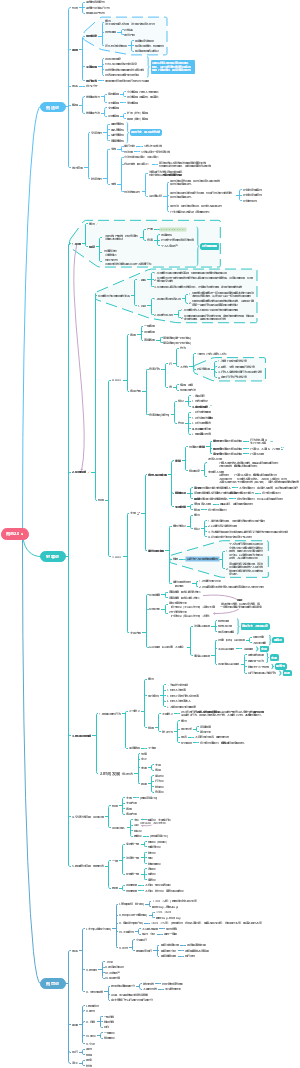
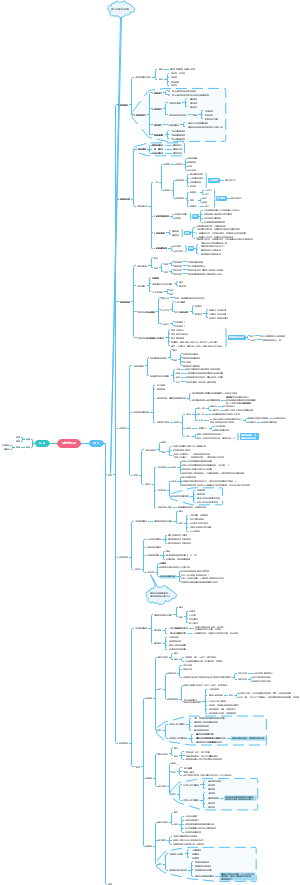
Overview
Modern English is a concept corresponding to medieval English and old English.
The main difference between modern English and early modern English lies in vocabulary.
English vocabulary sources 1. Borrowing words from languages around the world. 2. Make sentences in traditional and modern ways.
Since 1801, England, Wales, Scotland and Ireland have been collectively called "the United Kingdom of Great Britain and Ireland".
Comparison of ancient and modern English texts
Pronunciation and Font
Every letter of an Old English word must be pronounced.
Old English had three special letters: æ ð.
Vocabulary
Words had different spellings in Old English. Some Old English words were replaced by foreign words in later evolution GrammarWords had different spellings in Old English.
Grammar
The -an, -un, etc. at the end of words have grammatical meanings (to show the concepts of gender, case, number, etc.)
Old English nouns had different nominative and accusative spellings
The word order of Old English sentences need not be fixed
English Dictionary and "Wenquxing"
A Dictionary of English Language
Published by Samuel Johnson in 1755
To a great extent, it standardizes the meaning and spelling of English words,It is regarded as an important milestone in the history of English development.
But there are many disadvantages.
Noah Webster
The father of American scholarship and education
A Compendious Dictionary of the English Language was published in 1806.
An American Dictionary of the English language (Webster's Dictionary)was published in1828.
James Murray
In 1928, In 1928, Oxford English Dictionary was Published.
The Oxford English Dictionary contains all words in the English language since AD 1150.
Mark the time when each word first appeared.
A detailed explanation of words and etymology.
In 1989, the second edition of the Oxford English Dictionary was completed.
In 2000, the Oxford English Dictionary (second edition) completed its online version.
The Plain English Campaign
Reason
In the 17th-18th century, the English middle class and upper class pursued and advocated a gorgeous language.
The emergence of romanticism and the vigorous development of the industrial revolution
Language is used to serve people.
Aims
Governments and enterprises (including the legal profession, medical profession and drug manufacturers) are required to use plain and easy-to-understand English.
Make the information transmission more accurate and the communication between each other smoother.
Simplification of English brought by fast-paced life
Daily English expressions and the spelling of modern English words show a trend of simplification.
The simplification of English is also reflected in word formation.
Blending
Clipping
Abbreviation
Alpbabetism
Acronym
Characteristics
vocabulary
Since the 19th century, with the development of economy, the prosperity of literature and the progress of science and technology, English has absorbed a large number of classical language words (Latin words and Greek words), thus further enriching English vocabulary.
Scientific and technological innovations have led to the emergence of many new words. Between 1800 and 1850, English created a large number of technical terms.
Modern English word-formation not only retains the traditional word-formation form (whole word borrowing or affixing), but also new word-formation forms appear.
Compounding
New words with new meaning
Direct introduction of foreign words
Derivation
Clipping and Abbreviation
Blending
Phonetics and spelling
English words have irregular spelling and confusing pronunciation, so it is difficult to find rules in letter combination and pronunciation.
The spelling and pronunciation of modern English words have always been a big problem for English learners. There is basically no rule to follow between the spelling and pronunciation of English words, which is mainly caused by the influence of foreign words.
English spelling and pronunciation are irregular and inconsistent, which can be divided into the following three situations:
The letter combination is the same, but the pronunciation is different. Different combinations of letters, but the same pronunciation. Pronunciation of vowels in the opening syllables.