导图社区 医学论著英语摘要写作
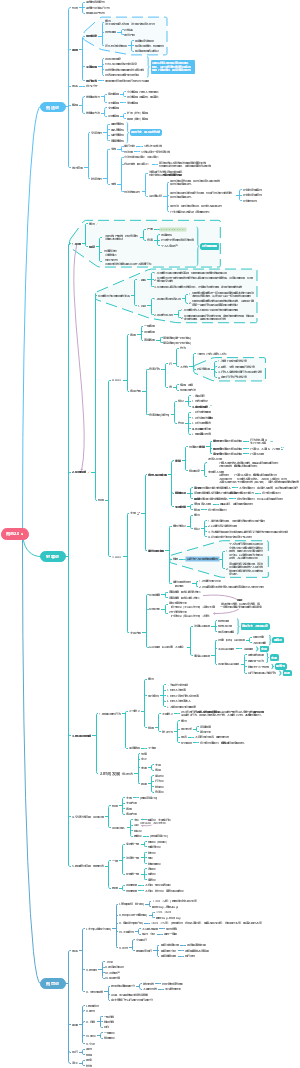
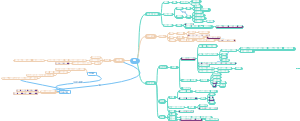
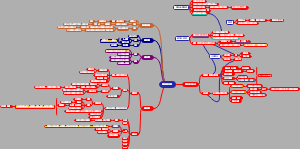
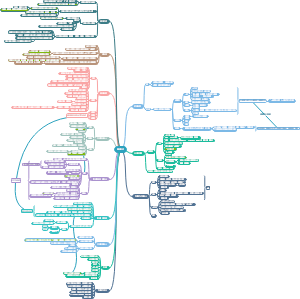
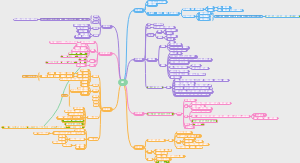
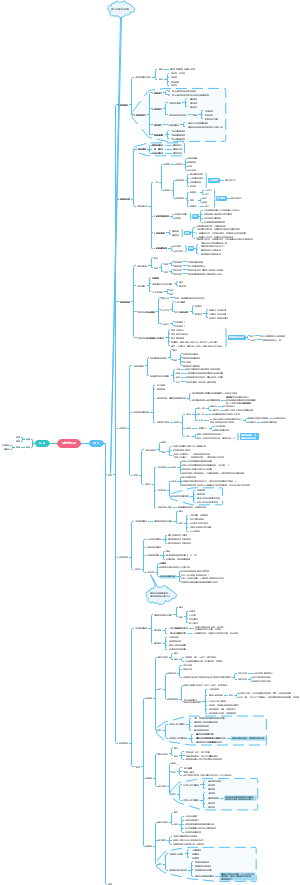
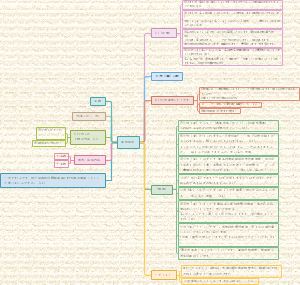
本篇导图为《医学论著英语摘要写作》(主编:齐晖等)的笔记,内容包括语步、语阶及各自的辨别要点。
编辑于2022-06-22 21:52:43英语摘要写作语步
M1
creating a research space
1S1
presenting current knowledge or relevant information established by previous studies 已知的知识和前人的研究
包括:pertinent mechanism or definition等 包括:相关的机制和定义、一种现象的可能性、某种研究的重要性
例如:topical immunomodulators局部免疫抑制包括~ preclinical study have found 临床前研究已经发现
时态
一般用一般现在时(用来表明现在对某一东西的共识)
当“以前的研究”或其他具有类似意义的短语作为句子的主语时,现在完成时是首选。但是,一般现在时仍然用来指当前的知识或前人研究建立的相关信息。
例如:previous studies have shown that more active older adults have better congition
may、can、possible经常使用在这个语步
常用词块
has been associated with 、has been shown to
1S2
establishing a niche/problem 提出未知
主要是过去研究的局限性和缺陷
时态
一般现在时多用
但是如果是“study”做主语、或未知的东西持续到现在→用现在完成时
常用的连接词:however、despite、but 、no available、unknown(controversial)
常用词块
little is known about the
1S3a
indicating main purpose 去做什么?表明主要的研究目的
如果是“to achieve”放开头,五时态语态
一般用过去时: the objective of this study was to、we tested、we sought to
当“report”作谓语的时候!用一般现在时
常用词块如 the aim of the study was、of the study was to determine the
1S3b
raising hypotheses 提出假设
用一般过去时
we hypothesized ~would、we test the hypothesis
M2
descrbing research process
2S1
reporting on medical ethics review 伦理审查
过去时和被动语态
lexical chunks
study was approved by
常包含知情同意:informed consent was waived due to ~
2S2
explaining briefly research design 顶层设计
study types
cohort、retrospective、prospective、observational、cross-sectional+study
randomised、controlled、double-blind+trial
过去时(一般M2都是过去时)
除了study、trial搭配外,lexical chunks 还有a secondary analysis of
2S3
describing subjects or data and their selection criteria 受试者或数据及其选择标准
包含the location of the study、the subjects characteristics、number、slection criteria
一般过去时
lexical chunks
were included in the、data were collected from
2S4
describing experimental procedure,such as interventions,examination 描述试验过程,如实验干预、检查
一般过去时和被动语态
(patients)were randomly assigned (to)receive、we randomly assigned patients
2S5
describing main outcomes and their measures 预期结果(用来引出结论的一些指标之类的)
outcome measures are chosen to assess the impact of the interventions
may include mortality(死亡率)、cure、clinical worsening、readmission
一般过去时
the primary end point was(the) 少见的包括: was the proportion of patients、in all patients who、secondary end points included
2S6
describing data analysis method 数据分析方法
一般过去时、被动语态
logistic regression was used to、models were used to
2S7
reporting on registration information 注册信息:基金,项目号
this trial is registered→研究未结束
xxx trial was registered→研究结束了
M3
summarizing principal results
3S1
providing information on valid samples 有效样本
用一般过去时
在样本中,如何分配? 如:in all,198patients were included in the final model. 感觉前面总会先提示是在所有的样本中 反正核心意思就是表达:最后的是多少有效样本(含数字)
(patients)were randomly assigned to (receive), were included in the anslysis patients were enrolled and
3S2
illustrating overall observation or main results
一般过去时
先总后分/ 先说主要的结果→再分点 比如先说有效,然后再分点阐述在哪些方面有效
(there was)no (significant显著的)difference(in/between)
correlation and inter-group difference:resultative signals(these fundings suggest that);contrastive signals(no significant difference)and inferential signals(was found to) 也可以能出现表示likelihood的词:likely
M4
drawing conclusions
4S1
reiterating pivotal results 复述最重要的研究结果
一般过去时,但是如果仍在研究的用一般现在时
lexical chunks
was associated with a
4S2
indicating limitations 表明局限性
一般内容有:scope、age、race、genders
常有表示反义的词汇:“not”、“lack”
4S3
stating the significance of the results 本研究的重要意义
一般内容包括:impact、recommendations about possible applications of the findings、hypothesis are proved or denied、comparing the results with those of the previous studies 、breakthrough
一般现在时比一般过去时常用
常使用“suggest”、“this is the first”、“may”
The results of this study/these finding suggest that/for the treatment of / has the potential to

4S4
predicting future studies 展望未来
包括未来的研究方向和仍待解决的问题
should、need