导图社区 Grammar in Use初级Modals,imperative_5
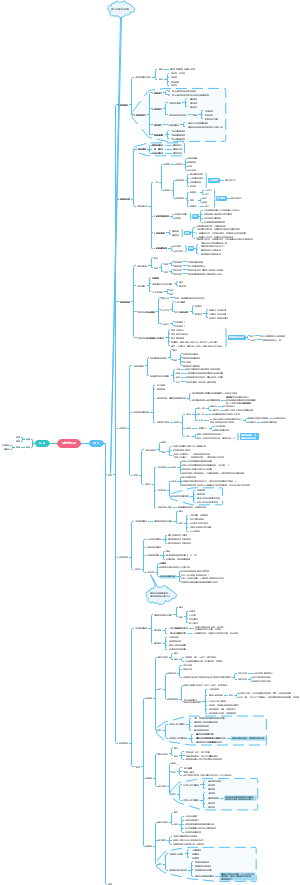
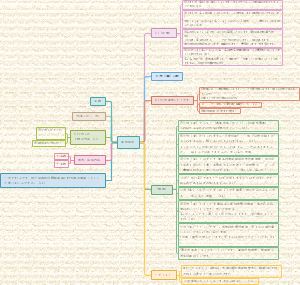
Grammar in Use初级Modals,imperative_5
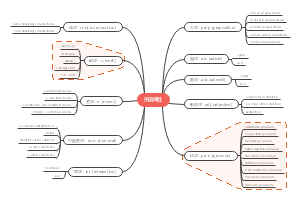
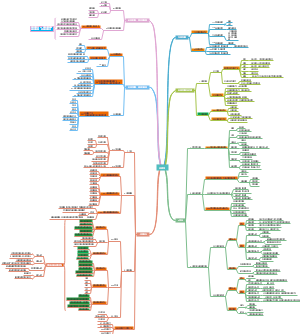
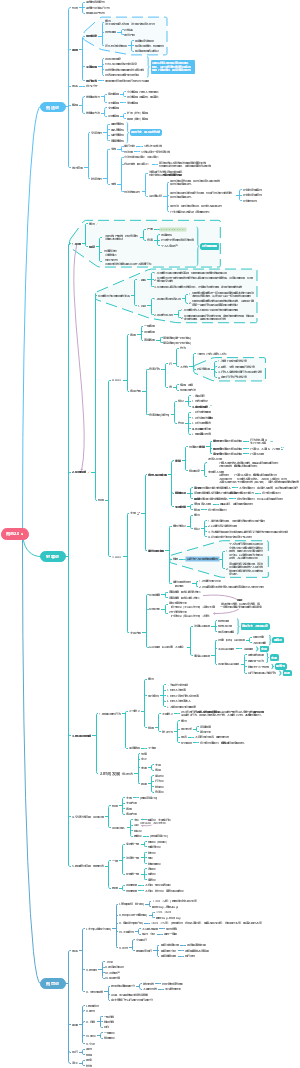
全球销量第一的语法书,总页数超过1000页,400个语法要点,以情景为例将概念具体化。我希望能将其中的精华以不影响框架的形式呈现给大家,用于快速复习,补充易错知识点等,会尽快更完三本书哟(最好是用费曼学习法将这些知识活用后分享给身边的人!!)
编辑于2022-08-14 12:52:04 广东
 《东野圭吾:精华笔记全解读》 含8个作品
这是一本为东野圭吾读者量身打造的深度阅读指南。书中系统梳理了《白夜 行》《嫌疑人X的献身》《恶意》等经典作品的人物关系网、章节逻辑脉络与隐藏主题,并深入剖析故事背后的社会隐喻与人性困境。无论是初读者快速理清剧情,还是资深书迷挖掘细节哲思,本书都能带你穿透文字表象,触及东野圭吾笔下那些“光与暗交织的真相”。每页笔记,都是向理性与感性的双重致敬。
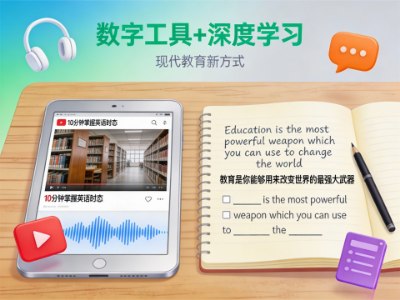 《YouTube切片学英语:杨帅地道表达实战笔记》 含9个作品
本作品集将杨帅老师的地道英语训练营精华,与海量真实YouTube场景深度结合,打造出“可看、可听、可练”的三维学习系统。每一单元精选高价值视频片段,配备逐句解析文本、核心词汇表、精准中文翻译及填空强化训练,带你跳出课本英语,真正掌握母语者的表达逻辑、高频用语与文化梗。从“听得懂”到“说得出”,这是一套让你用刷视频的方式,实现英语耳力与表达力同步蜕变的实战手册。
- 「祈愿女神」_东野圭吾
有段时间没更新啦,近期疲于思考读博的意义与就业导向,看了不少其他类型的书,后续可以分享~ 《祈愿女神》是东野圭吾一部充满温情与神秘色彩的作品,以月乡神社的千年樟树与“祈念”仪式为线索,串联起多个角色的命运交织。小说通过“寄念”与“受念”的奇幻设定,探讨记忆、家庭、救赎与珍惜当下的深刻主题。书中没有复杂的罪案,却以细腻的笔触刻画了边缘群体的挣扎与成长——失去记忆的少年、贫困的高中生、迷茫的神社守护人,他们在樟树的见证下,共同完成了一场关于爱与希望的仪式。如果你喜欢《解忧杂货店》中的人性治愈,一定会被这个故事深深打动。
- 地道英语蜕变_油管地道素材_第十三弹
帮助小伙伴理解和掌握日常对话中的语言表达和语法知识。我们最终的目标:提升!而非完美!重复重复重复,熟练熟练熟练!一起加油~
- 地道英语蜕变_油管地道素材_第十二弹
耍手机的习惯、与16阅读等是挂钩的嗷,很万金油的表达,问?问就是喜欢干ABC,因为之前只刷手机,觉得巴拉巴拉~
Grammar in Use初级Modals,imperative_5
社区模板帮助中心,点此进入>>
- 《东野圭吾:精华笔记全解读》 含8个作品
这是一本为东野圭吾读者量身打造的深度阅读指南。书中系统梳理了《白夜 行》《嫌疑人X的献身》《恶意》等经典作品的人物关系网、章节逻辑脉络与隐藏主题,并深入剖析故事背后的社会隐喻与人性困境。无论是初读者快速理清剧情,还是资深书迷挖掘细节哲思,本书都能带你穿透文字表象,触及东野圭吾笔下那些“光与暗交织的真相”。每页笔记,都是向理性与感性的双重致敬。
- 《YouTube切片学英语:杨帅地道表达实战笔记》 含9个作品
本作品集将杨帅老师的地道英语训练营精华,与海量真实YouTube场景深度结合,打造出“可看、可听、可练”的三维学习系统。每一单元精选高价值视频片段,配备逐句解析文本、核心词汇表、精准中文翻译及填空强化训练,带你跳出课本英语,真正掌握母语者的表达逻辑、高频用语与文化梗。从“听得懂”到“说得出”,这是一套让你用刷视频的方式,实现英语耳力与表达力同步蜕变的实战手册。
- 「祈愿女神」_东野圭吾
有段时间没更新啦,近期疲于思考读博的意义与就业导向,看了不少其他类型的书,后续可以分享~ 《祈愿女神》是东野圭吾一部充满温情与神秘色彩的作品,以月乡神社的千年樟树与“祈念”仪式为线索,串联起多个角色的命运交织。小说通过“寄念”与“受念”的奇幻设定,探讨记忆、家庭、救赎与珍惜当下的深刻主题。书中没有复杂的罪案,却以细腻的笔触刻画了边缘群体的挣扎与成长——失去记忆的少年、贫困的高中生、迷茫的神社守护人,他们在樟树的见证下,共同完成了一场关于爱与希望的仪式。如果你喜欢《解忧杂货店》中的人性治愈,一定会被这个故事深深打动。
- 地道英语蜕变_油管地道素材_第十三弹
帮助小伙伴理解和掌握日常对话中的语言表达和语法知识。我们最终的目标:提升!而非完美!重复重复重复,熟练熟练熟练!一起加油~
- 地道英语蜕变_油管地道素材_第十二弹
耍手机的习惯、与16阅读等是挂钩的嗷,很万金油的表达,问?问就是喜欢干ABC,因为之前只刷手机,觉得巴拉巴拉~
- 相似推荐
- 大纲